



Maya felt the pinching anxiety as soon as she walked through her door after a workday that felt endless. It was the same old story of balancing work deadlines and family expectations. Sitting on her couch, she thought about the stress-relief tools she had gathered—guided meditations bookmarked on Spotify, a stash of journaling prompts on her fridge, and the trusty pair of running shoes that practically winked at her from their spot by the front door. Running had its merit, but today called for something different.
Movement, she thought—gentle and soothing, like yoga. The kind you sink into, letting it untangle the knots in your mind and soul. As she unrolled her mat, a feeling of relief flooded over her. Movement—sometimes it’s exactly what you need to tip the stress scales back in your favor.
Table of Contents
- Why Movement Matters for Stress Management
- The Science Behind Movement and Stress Reduction
- Effective Movement Techniques for Stress
- Implementing Movement into Your Daily Routine
- Practicing Compassion Toward Yourself
- Closing Thoughts
- References
Why Movement Matters for Stress Management
Modern life tends to keep stress buzzing along as a constant companion, especially for Gen Z and Millennial women juggling various roles and ambitions. In fact, the American Psychological Association noted that a staggering 62% of adults felt their stress levels had skyrocketed over the past year. Stress doesn’t stay neatly tucked away in our minds; it wreaks havoc on our bodies too, manifesting as tension headaches, muscle tightness, and overwhelming fatigue.
“Movement triggers the release of endorphins, your body’s natural mood lifters. This response combats cortisol, the troublesome stress hormone.”
— Dr. Sarah Chen, Clinical Psychologist, New York University
Exercise, even as simple as a stroll around the block, can work wonders for your heart rate and blood pressure, pushing your mental fog away and inviting serenity in.
The Science Behind Movement and Stress Reduction
How does movement work its magic on the stressed-out brain? Physical activity ramps up norepinephrine, a chemical that Dr. Chen explains can moderate your brain’s response to stress. A Harvard Medical School study backs this up, showing that exercise reduces adrenaline and cortisol production while ramping up endorphins, natural mood enhancers that stick around long after you finish your post-workout smoothie.
Effective Movement Techniques for Stress
Finding a movement technique that works for you can feel like picking the perfect song for your life playlist. It’s personal.
Walking Meditation
There’s a kind of liberation in walking—just one foot in front of the other, your breath keeping time. Walking meditation traces its roots to ancient Buddhism, focusing on movement rather than destination. Dr. Emily Lang, a mindfulness coach I know from San Francisco, calls it “a mindful journey into the heart of present awareness.”
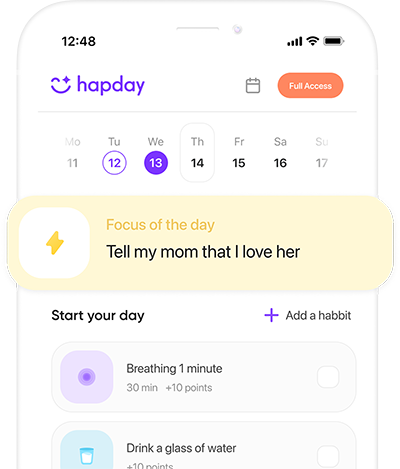
Maya turned her morning walks into meditative moments. The crunch of leaves, a brisk breeze—these little things became anchors pulling her out of stress and into mindfulness. And for those who want guided support during such walks, the Hapday app has become a staple for millions seeking to blend mindfulness and movement.
Yoga and Stretching
Yoga melds postures, breathwork, and meditation into a stress-busting powerhouse. Research shows that it refines brain function and reduces perceived stress, as published in Brain Plasticity in 2018.
For Maya, moves like the Child’s Pose and Cat-Cow became retreats of tranquility.
“Such poses initiate a relaxation response, cutting through stress-induced tightness.”
— Dr. Laura Finn, Yoga Therapist, Chicago
Beginners, take heed: starting a class or using online tutorials can ease you into a practice that’s both gentle and revitalizing.
Dance as Therapy
Dance goes beyond the physical—it’s an expressive release. Research in the Journal of Applied Gerontology finds that dance can ease stress and chase away depression.
Maya discovered new joy in dance, shedding stress with every twirl.
“Dance translates emotions into motion.”
— Dr. Finn, Yoga Therapist, Chicago
Choose your style—whether Zumba or ballroom—and dance your way out of stress and into a lighter mood.
Mindful Breathing with Movement
Blending breathing exercises with movement dials stress down a notch. Tai Chi and Qi Gong marry gentle motions with mindful breaths. Imagine Tai Chi as “meditation in motion;” it didn’t earn that nickname for nothing.
A National Institutes of Health study showed Tai Chi participants reported a significant dip in stress. Need help at 2 a.m. when stress keeps you up? The Hapday app can guide your breathing exercises whenever and wherever you need them.
Implementing Movement into Your Daily Routine
Convinced that movement’s your stress antidote? Here’s how to squeeze it into your routine.
- Listen to Your Body: Respect your body’s cues. Some days, take it easy. Movement is about release and enjoyment—not piling on more stress.
- Create a Supportive Environment: For movement to stick, your environment should cheer you on. Find a class or online community that keeps you motivated and connected.
- Leverage Technology: Apps can track progress or offer virtual classes that fit your timetable. Hapday, praised for its stress-busting exercises and progress tracking, can complement your journey from tech-savvy to stress-busting.
Practicing Compassion Toward Yourself
One lesson Maya cherishes: treat yourself as kindly as you do others. Celebrate every little win. Remember, progress takes its own path—and that’s just fine.
Closing Thoughts
Mixing movement with life’s chaos not only soothes but empowers. Begin embedding these techniques into everyday life, making space for calm amidst demands. And when stress whispers, tools like Hapday offer round-the-clock relief, guiding you toward serene balance.
Want peace? Each step, stretch, and dance beat brings you closer. Embrace this journey with the wisdom that the right movements, backed by innovative tools, can reshape your stress management into a narrative of tranquility and balance.
Key Takeaways
- Movement can be a powerful tool for managing stress, with options like yoga, dance, and walking meditation.
- Regular physical activity releases endorphins, which help to combat stress.
- Caring for your body and listening to its needs is essential for effective stress relief.
- Incorporating technology like apps can enhance your movement practice and tracking.
- Treating yourself with compassion fosters better mental health and a positive mindset.
The Bottom Line
Integrating movement into your life is more than just a physical act; it’s a holistic approach to reducing stress and finding peace. Embrace the techniques that resonate with you, and remember, every small step towards movement is a step towards a calmer, more balanced life.
References
- American Psychological Association
- Harvard Medical School
- National Institutes of Health
- Mayo Clinic
- Brain Plasticity Journal