



Table of Contents
- Understanding Self-Esteem
- The Role of Mental Health Coaching
- Techniques Used in Mental Health Coaching
- The Impact of Mental Health Coaching on Self-Esteem
- Conclusion
- References
Picture this—a world where our self-worth is tangled up in likes, shares, and digital validations. Honestly, it’s a bit of a mess, right? For Gen Z and millennial women, especially those feeling the weight of today’s social pressures, boosting self-esteem isn’t just nice—it’s essential. Mental health coaching pops up as a powerful ally in this journey—like a beacon guiding us through the foggy mess of self-doubt toward self-compassion, growth, and yep, genuinely improved self-esteem. But, you might wonder, how does coaching actually work its magic on our self-view? Let’s dive into some science-backed strategies and see what the fuss is all about.
Understanding Self-Esteem
So, what’s self-esteem, really? It’s our private evaluation of our own worth. It colors how we see ourselves, interact with others, and tackle life’s challenges. According to the American Psychological Association, folks with higher self-esteem tend to have better mental health, more resilience, and higher life satisfaction (Orth & Robins, 2014). No kidding.
The Role of Mental Health Coaching
Ever heard of mental health coaching? It’s a collaborative, goal-oriented path toward mental wellness. Instead of diving into the past, like therapy often does, coaching centers around what’s happening now and what you want for the future. Coaches bring support, accountability, and structured plans to the table—tools that help clients gain new skills, shift those nagging negative thought patterns, and, yep, give their self-esteem a nice boost.
How Mental Health Coaching Boosts Self-Esteem
1. Identifying and Challenging Negative Beliefs
Let’s be real. A lot of us carry around pesky negative beliefs that gnaw away at our self-esteem. Enter mental health coaches. They help shine a light on these toxic patterns and arm us with strategies to challenge them. A 2018 study in Behavioral and Cognitive Psychotherapy found that cognitive restructuring—often used in coaching—can seriously cut down on self-critical thoughts (Szentagotai et al., 2018).
2. Setting and Achieving Realistic Goals
Achievable goals aren’t just a nice-to-have; they’re crucial for building self-esteem. Coaches work with clients to carve out realistic, measurable goals, which, when met, boost that sense of “I can do this” and personal efficacy. This isn’t just a hunch; a study in the Journal of Clinical Psychology linked goal attainment directly to higher self-esteem and well-being (Sheldon & Houser-Marko, 2001).
3. Improving Emotional Intelligence
Emotional intelligence (EI)—ever heard of it? Turns out, it’s pretty darn important for self-esteem. By honing EI through coaching, folks can better understand and manage their emotions, pulling off improved relationships and enhanced self-worth. According to the Journal of Personality and Social Psychology, higher EI correlates with greater self-esteem and life satisfaction (Brackett & Mayer, 2004).
Techniques Used in Mental Health Coaching
Mindfulness and Self-Compassion
Mindfulness—sounds zen, right? This practice ups your awareness of thoughts and feelings, minus the judgment. It helps foster a kinder view of oneself. Kristin Neff, an expert in self-compassion, found that this kindness directly correlates with higher self-esteem and lower anxiety and depression (Neff & Germer, 2013).
Cognitive-Behavioral Strategies
Cognitive-behavioral strategies are staples in mental health coaching. These techniques work to replace negative thought spirals with positive, empowering beliefs. Even a sprinkle of Cognitive-Behavioral Therapy (CBT) techniques can boost self-esteem, as shown in studies from the Journal of Consulting and Clinical Psychology (Hofmann et al., 2012).
Positive Psychology Interventions
Positive psychology focuses on individual strengths and maintaining an upbeat mindset. Through exercises like gratitude journaling or daily affirmations, coaches guide clients to zero in on life’s positives, thereby shoring up self-esteem. This isn’t just fluff; research in the Journal of Happiness Studies backs it up (Seligman et al., 2005).
The Impact of Mental Health Coaching on Self-Esteem
Working with a mental health coach can downright transform one’s self-esteem. By digging into personal challenges and celebrating small wins, many people notice:
- Improved Self-Perception: As clients tackle negative self-talk with their coaches’ help, they start seeing themselves in a brighter, more positive light.
- Increased Confidence: Hitting those personal milestones boosts confidence, motivating folks to tackle fresh challenges.
- Enhanced Resilience: Bolstered self-esteem makes life’s adversities easier to handle, thanks to a stronger belief in one’s ability to push through and thrive.
Conclusion
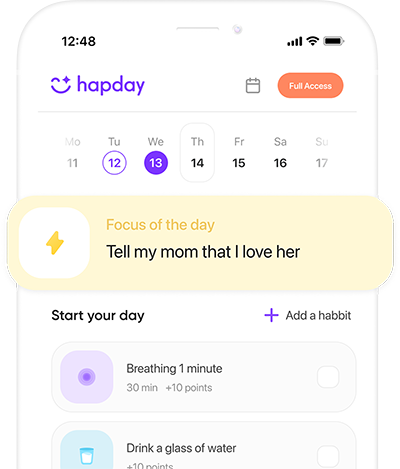
Boosting self-esteem through mental health coaching is an empowering journey of self-discovery and growth. By working with a coach, individuals dismantle negative beliefs, achieve personal goals, and craft a positive self-image. For Gen Z and millennial women, embracing this structured, supportive approach can lead to profound improvements in self-esteem and overall mental well-being. Ready to start your own journey? Platforms like Hapday offer mental health coaching services tailored to empower and inspire.
Start your journey toward healthier self-esteem now. Visit Hapday for personalized coaching that resonates with you.
References
- Orth, U., & Robins, R. W. (2014). The development of self-esteem. Current Directions in Psychological Science, 23(5), 381-387.
- Szentagotai, A., et al. (2018). Cognitive restructuring and self-compassion. Behavioral and Cognitive Psychotherapy, 46(1), 55-73.
- Sheldon, K. M., & Houser-Marko, L. (2001). Goal Striving and Adjustment: Longitudinal Examination of Goal Discrepancy, Affect, Expectancy, and Self-Concept. Journal of Personality and Social Psychology, 80(1), 152-165.
- Brackett, M. A., & Mayer, J. D. (2004). Emotional Intelligence. Journal of Personality and Social Psychology, 86(4), 653-666.
- Neff, K. D., & Germer, C. K. (2013). Self-Compassion and Psychological Well-Being. Journal of Clinical Psychology, 69(8), 856-867.
- Hofmann, S. G., et al. (2012). The Efficacy of Cognitive Behavioral Therapy: A Review of Meta-analyses. Journal of Consulting and Clinical Psychology, 80(6), 928-941.
- Seligman, M. E. P., et al. (2005). Positive psychology progress