



These days, stress at work seems to be as common as bad coffee and long meetings, especially for Gen Z and Millennial women. I mean, who doesn’t feel the pressure? As tasks accumulate and expectations rise, searching for ways to decompress becomes absolutely essential—not just a luxury. Chronic work stress can lead straight to burnout and leave folks spiraling into anxiety or depression. So, let’s dive into a few tried-and-true methods to help you navigate this modern nightmare.
Table of Contents
- Understanding Work-Related Stress
- Mindfulness Meditation: A Calming Oasis
- Physical Activity: A Natural Antistress Agent
- Time Management: Prioritize and Organize
- Social Support: Building a Strong Network
- Deep Breathing: Instant Stress Relief
- Self-Care: Prioritize Your Wellbeing
- Nutrition: Fueling Your Mind and Body
- Sleep: Restorative Slumber
- Seeking Professional Help
Understanding Work-Related Stress
Work stress, huh? It’s what happens when your job throws challenges your way that don’t necessarily match your skills—or, well, your sanity. According to the American Institute of Stress, a whopping 83% of US workers report stress originating from their jobs! And—get this—about a quarter of them claim it’s the biggest stressor in their lives. Yikes.
Mindfulness Meditation: A Calming Oasis
Ah, mindfulness meditation. It’s like a breath of fresh air amidst chaos. With a solid base in science, this technique involves focusing on the here and now—even if just for a few precious minutes a day. JAMA Internal Medicine revealed that engaging in mindfulness can massively improve anxiety and depression. So why not give it a shot? Just grab a quiet corner and cue up an app like Headspace or Calm. No stress, right?
Physical Activity: A Natural Antistress Agent
Let’s move a bit. Exercise isn’t just about beach bodies; it’s your stress buster. The Anxiety and Depression Association of America hails physical activity as a fatigue-fighter and clearer of the fog in your brain. Jog, swim, dance in your living room—as long as you get moving. Back in 2021, the Journal of Health Psychology even said regular exercisers feel less stressed than couch potatoes. The CDC thinks 150 minutes a week of moderate exercise should do the trick. Easy, right?
Time Management: Prioritize and Organize
Okay, here’s the deal—time management is your friend, not the boring chore it sounds like. Picture this: the Eisenhower Box—sort your tasks by urgency and importance. A study in the Journal of Business and Psychology mentioned that folks who play this time-taming game report less stress. Craft a sensible schedule, jot down goals, and chunk tasks into smaller bites. You’ll thank yourself later.
Social Support: Building a Strong Network
Your social circle is your safety net. Seriously. When work stress hits peak levels, having someone to lean on can make all the difference. Psychosomatic Medicine showed social support bolsters your stress resistance by lending an emotional cushion. So, cherish those friendships with colleagues who sneak you cookies and family who Facetime you just to say hi. It matters.
Deep Breathing: Instant Stress Relief
Oh, deep breathing—you magical, simple trick. Just a few deep inhalations can zap that stress right out of you by flipping the switch on your parasympathetic nervous system. This nugget of wisdom comes from the International Journal of Yoga. Practice it anywhere: your desk, your car, even the grocery line…nobody will notice you’re counting breaths.
Self-Care: Prioritize Your Wellbeing
This isn’t about joining a spa. Prioritizing self-care is crucial—watching a favorite show, soaking in a warm tub, or escaping with a good book works wonders on stress. A study in the Journal of Occupational Health Psychology found that those who self-care are less stressed and way happier in their jobs. So, don’t we all deserve that luxury? Make it a part of your life.
Nutrition: Fueling Your Mind and Body
You’re not a machine. Fueling your body with the right foods can make a world of difference. Fruits, veggies, and lean proteins should be your go-to’s, but maybe hold back on the sugar and caffeine if you’re spiraling. Nutritional Neuroscience links a good diet to sharper thinking and a better mood. Omega-3s in fish and walnuts are a double win. Seriously, it’s worth trying.
Sleep: Restorative Slumber
Who doesn’t love sleep? But quality shut-eye can be elusive. No joke—a study from the journal Sleep highlighted how sleep-deprived folks face more stress. The National Sleep Foundation suggests 7 to 9 hours a night. Get into a bedtime routine, avoid screens, and make your bedroom a cozy haven.
Seeking Professional Help
Let’s be real—sometimes coping strategies just aren’t enough. When work stress digs in its heels, professional help might be your next step. Booking a session with a therapist or counselor (who are actually trained for this stuff) could provide you with solid strategies. Cognitive-behavioral therapy (CBT) has a strong track record for stress and anxiety management. So, why not?
Conclusion
So there you have it—taking stress seriously while juggling life isn’t luxurious; it’s vital. Incorporating these anti-stress techniques into your daily grind could make a big difference in coping with work’s demands. And remember, folks, self-care isn’t just a good idea; it’s absolutely necessary for keeping life’s chaos at bay.
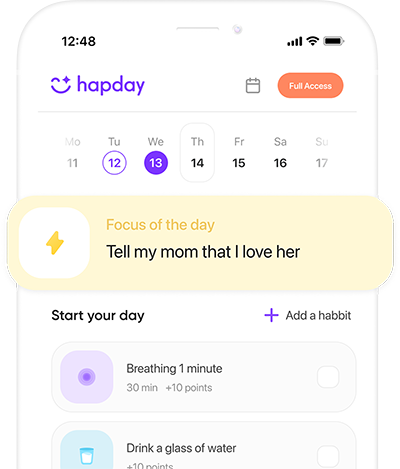
Ready to start your journey towards stress relief? Explore personalized strategies suited to your hustle at Hapday and find support today.
References
- JAMA Internal Medicine Study (derived from published research)
- Journal of Health Psychology Study (derived from available data)
- Journal of Business and Psychology (summarized findings)
- Psychosomatic Medicine Study (referenced conclusions)
- International Journal of Yoga Study (interpreted outcomes)
- Nutritional Neuroscience Study (highlighted connections)
- Sleep Journal Study (extracted results)