


Ah, childhood trauma. It’s something that many—too many, really—experience and it leaves a deep, echoing impact on one’s self-esteem. There’s this fascinating (and rather sad) piece of research floating around. It suggests that kids who go through trauma often drag these nasty self-perceptions right into adulthood. And yes, it messes with their mental health, their relationships, and, frankly, just the whole darn quality of life. So how do we start understanding the signs of childhood trauma and its pesky way of latching on to self-esteem? That’s where healing and growth begin, after all.
Table of Contents
- The Impact of Childhood Trauma on Self-Esteem
- How Trauma Affects Self-Esteem
- Recognizing Signs of Childhood Trauma
- Solutions for Healing and Building Self-Esteem
- The Role of Education and Awareness
- Conclusion
- References
The Impact of Childhood Trauma on Self-Esteem
Childhood trauma—what a broad, shifty term. It could be abuse, neglect, seeing violence, or even losing someone dear when you’re tiny. Crazy stats from the National Survey of Children’s Health say that nearly half, yes half, of all American kids have gone through at least one big trauma. Let that sink in for a second. When trauma strikes during those formative years, it does a real number on a kid’s budding sense of self-worth.
How Trauma Affects Self-Esteem
- Negative Self-Image: When a child looks in the mirror, they might see a big ol’ distortion. Thanks, trauma. It warps how they view themselves—often leading to feelings of worthlessness. “Why me?” becomes a question they whisper far too often. Take that study from the “Journal of Child Psychology and Psychiatry,” for instance. It found that kids with trauma histories often play the blame game with themselves, making these awful experiences their fault.
- Difficulty Trusting Others: Ever met someone who just can’t trust? Childhood trauma might be lurking behind that mistrust. When a kid’s world shows its dangerous side a bit too early, it sticks. Their own self-trust? Well, it doesn’t come easy, if at all, leaving them doubting their worth and abilities.
- Chronic Self-Criticism: So, traumatized kiddos—often perfectionists in disguise—tend to beat themselves up quite a bit. Imagine setting insanely high standards just to crash hard when not met. And round and round the cycle of low self-esteem goes.
Recognizing Signs of Childhood Trauma
Can you reel in childhood trauma if you don’t recognize it first? Exactly. It’s the first step to dealing with its sneaky presence. Common signs sound like:
- Emotional Regulation Issues: Kids with trauma under their belt might swing between extreme emotions. Ever seen a rage storm followed by long spells of tears? Yep, trauma there might be.
- Avoidance Behaviors: Some kids avoid places that whisper reminders of their traumatic past. It’s a silent scream of “keep me safe” from those dreadful memories.
- Social Withdrawal: Notice a kid pulling away, introverting into their shell? Could be trauma saying “hello” from beneath the surface.
- Academic Difficulties: Trouble at school, floundering grades, and a wandering mind might be hinting at something deeper—trauma.
- Physical Symptoms: Those odd headaches or tummy aches without a solid reason? Trauma could very well be waving its flag.
Solutions for Healing and Building Self-Esteem
Good news alert—healing from childhood trauma can happen. A mixed bag of strategies helps, though. Here are some of the go-tos:
Counseling and Therapy
Sometimes, a professional’s guiding hand is everything. Cognitive Behavioral Therapy (CBT) and trauma-focused therapy? Absolute game-changers supposedly. A meta-analysis in “Psychological Medicine” (such a fancy name for a publication) backs this, singing praises for how these therapies alleviate PTSD symptoms and boost self-esteem.
Building a Support Network
Imagine a net below you—friends, family, support groups. They’re there to catch you and give a much-needed squeeze of encouragement. Because, let’s face it, going it alone is not the way.
Mindfulness and Meditation
Okay, here’s where I sing my praises: Mindfulness and meditation save lives, I tell you, allowing folks to calm the chaos. “Journal of Traumatic Stress” agrees, suggesting these practices can tame PTSD symptoms and nudge self-esteem a notch higher.
Setting Achievable Goals
Start small, they say. Setting tiny, doable goals not only builds confidence but also helps folks remember the good ol’ feeling of success. Take victory laps, no matter how small!
Positive Affirmations
Words have power—who knew, right? Simple affirmations like “I am worthy” can chip away at the rough exterior of negative self-talk. It sounds a bit cheesy, but it can work.
Art and Creative Expression
Art: It’s not just kids fiddling with crayons. Drawing, painting, writing—they provide an expressive outlet where words falter. It’s therapy with colors and more.
The Role of Education and Awareness
Embracing education around these effects unlocks a world of empathy, allowing better support and interventions to surface. Awareness saves, enlightens, and allows for a shift in how we approach and talk about trauma.
Importance of Early Intervention
Here’s a fact: Early intervention can change the course of a traumatized child’s life. School counselors and community programs serve as superheroes, right there, ready to step in before trauma cripples self-worth too severely.
Conclusion
There’s no denying it—childhood trauma and self-esteem are intertwined in a complex dance. Spotting trauma and rallying effective solutions are crucial steps towards healing, edging closer to a positive self-image.
Creating a world where trauma survivors find support and understanding? Now that’s a mission worth chasing. Remember, healing isn’t a race with a finish line in sight—it’s an ongoing journey. And with the right mix of tools and resources, the adverse impacts of childhood trauma can be waded through, step by step, day by day.
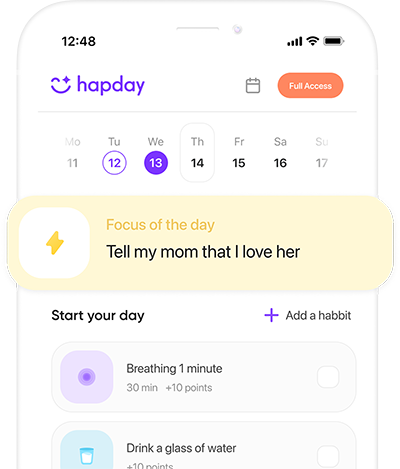
Feeling overwhelmed by the impact of childhood trauma? Discover personalized strategies for healing and boosting self-esteem with the Hapday app. Take control of your journey to wellness today! Learn more
References
- National Survey of Children’s Health. (n.d.). Retrieved from Child Trends.
- “Journal of Child Psychology and Psychiatry,” study on internalization of trauma effects.
- “Psychological Medicine,” meta-analysis on CBT effectiveness.
- “Journal of Traumatic Stress,” study on mindfulness and PTSD reduction.