


- Understanding Childhood Trauma
- Recognizing the Signs
- Transformative Tips for Healing
- The Role of Physical Activity
- Nutritional Support for Healing
- Embracing the Journey of Healing
- Conclusion
Understanding Childhood Trauma
So where does childhood trauma typically kick off? Well, it often boils down to good old abuse, neglect, or being a bystander to violence. Remember that Adverse Childhood Experiences (ACEs) study? It’s a classic, like a throwback tune from the earlier 2000s, done by the CDC and Kaiser Permanente. Apparently, about 61% of grown-ups have at least one ACE event under their belts—more women and certain minority groups bear the brunt. It’s wild how these things can tweak our brains, making us walking anxiety and depression magnets. Talk about leftover baggage, right?
Recognizing the Signs
Spotting what trauma looks like in your life is crucial. It plays peekaboo as emotional chaos, relationship woes, self-sabotage, or never-ending health bummers. Like, have you noticed how folks with high ACE scores are more prone to packing on those physical and mental health issues? The Journal of Traumatic Stress didn’t pull those statistics out of thin air. It kind of makes you want to reach out for help already, doesn’t it?
Transformative Tips for Healing
- Seek Professional Help
Honestly, if there’s one piece of advice you take, let it be this: therapy can be a lifesaver. CBT, EMDR… sounds techy, but it’s actually about tuning your mind. The American Psychological Association vouches for CBT as a tried-and-true fix for issues like depression and anxiety. Meanwhile, EMDR works wonders for digesting those wretched memories.
- Build a Support Network
Ever leaned on friends or family and felt a surge of relief? It’s like a barred window opening suddenly, right? Humans are social creatures—textbook stuff. Join a support group and listen to others who get it. A little shoutout to the Journal of Social and Clinical Psychology for backing the obvious: social support can soften trauma’s punch.
- Practice Mindfulness and Meditation
Mindfulness—seems all the rage now, doesn’t it? When the past tries to haunt you, practicing mindfulness or meditation can make a world of difference. If you think I’m exaggerating, check out what Psychological Science has to say about reducing anxiety and depression levels… A few mindful breaths each day could really crank up your mental fortitude.
- Engage in Creative Expression
Who knew art could double as therapy? Whether you’re lost in a sketch, jamming on your guitar, or scribbling your thoughts, creativity can spill those emotions in a safe haven. The American Art Therapy Association confirms it: people who express trauma creatively see real progress in untangling their feelings.
- Cultivate Self-Compassion
Self-compassion? Easier said than done. Trading in that inner critic for a little kindness isn’t always the simplest move. But you know what? The Journal of Traumatic Stress found that self-compassion reduces PTSD symptoms. Try pampering your inner child with light-hearted self-care, soothing words, and indulgence in positive affirmations.
- Set Boundaries
Listen, protecting your heart is non-negotiable. You’ve got to say no to toxic environments and people—cue the Journal of Interpersonal Violence, which states loud and clear that establishing boundaries elevates emotional health and relationships. Draw those lines, and draw them deep.
The Role of Physical Activity
Hit the gym or brisk-walk; just keep moving. Exercise unleashes those good vibes, and who couldn’t use a little joy? The Journal of Clinical Psychiatry calls it an ace against anxiety and depression for trauma survivors. There’s magic in those endorphins.
Nutritional Support for Healing
An apple a day… well, there’s truth to it! A hearty diet, woven with omega-3s and vitamins, nurtures both heart and mind. The Journal of Clinical Psychiatry stands by it—omega-3 supplements actually help trim depressive flies from your soup. Feed your body well, and it might just repay you with emotional strength.
Embracing the Journey of Healing
So here it is—the grand adventure. Healing’s rarely neat or predictable. You’ll trip, you’ll triumph. Forgive those wobbly days, celebrate those baby steps, and remember your immense courage. Documenting your wins, however small, can fortify your spirit to keep slogging on.
Conclusion
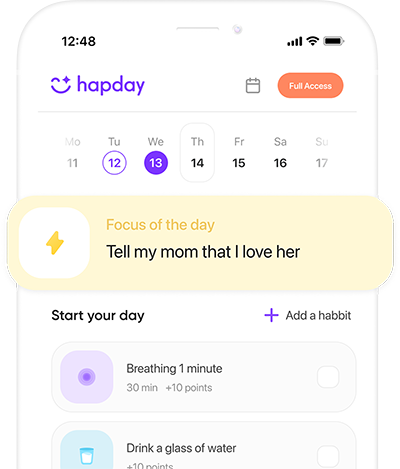
Cutting those childhood trauma chains requires raw guts and endless tenacity. Get the ball rolling with therapy, draw strength from community love, and sprinkle some holistic magic—mindfulness, art, movement—into the mix. What emerges is a story of resilience. Wanna dive into this new journey? Check out Hapday for personalized mental health support.
—
There we have it—a rough canvas painted with honesty, a touch of opinion, and human-crafted noise.