



Table of Contents
- Why Meditation Works for Sleep
- Starting Your Sleep-Focused Meditation Practice
- Breathing Meditation
- Guided Meditation: An Ally in Your Sleep Quest
- Mindfulness Meditation: Cultivating Present-Moment Awareness
- Overcoming Obstacles and Nurturing Your Practice
- Embracing the Full Spectrum of Rest
Key Takeaways
- Meditation can help combat insomnia by activating the body’s relaxation systems and reducing stress levels.
- Starting with just five to ten minutes a day can help integrate meditation into your nightly routine.
- Guided meditations and mindfulness practices can effectively ease anxiety and promote peaceful sleep.
- Consistency and creating a calming bedtime ritual are essential for fostering a successful meditation practice.
- Embracing meditation can lead to broader emotional resilience and improved overall well-being.
Imagine this: It’s 3 a.m., and the only thing illuminating your room is the soft, accusatory glow of your alarm clock. Despite all your efforts—counting sheep, sipping herbal teas—sleep just won’t come. Your mind’s in overdrive, either hashing out the day’s events or concocting new things to fret about. Sound achingly familiar? You’re in good company. The American Sleep Association notes that between 50 to 70 million adults in the U.S. grapple with sleep disorders, with insomnia taking the lead. Yet, contrary to reaching for medication, many like Sophie have found solace in meditation.
Sophie’s story is one I’ve heard before. A 31-year-old graphic designer, she felt stuck on a merry-go-round of sleepless nights followed by sluggish days. Pills offered temporary help but didn’t touch the deeper issues at play. This realization led her to meditation—a shift that changed her nighttimes, and frankly, her life.
“Meditation gave me a toolbox,”
— Sophie, Graphic Designer
says with conviction.
“It’s not just about sleeping better—it’s about living better.”
— Sophie, Graphic Designer
The roots of meditation run deep, stretching back thousands of years. Its positive impact on mental health is documented extensively. JAMA Internal Medicine published a study highlighting mindfulness meditation as a significantly more effective sleep aid than conventional sleep education. Bringing meditation into your bedtime routine can create a sanctuary of calm that’s just right for drifting off.
Why Meditation Works for Sleep
Before jumping into how-tos, it’s key to grasp why meditation can be so transformative for sleep issues. Dr. Sarah Chen, a NYU-based clinical psychologist, puts it simply:
“Meditation activates the body’s parasympathetic nervous system, or the ‘rest and digest’ system, which cuts cortisol stress levels and ushers in relaxation.”
— Dr. Sarah Chen, Clinical Psychologist
On a scientific level, frequent meditation reconfigures the brain’s neural circuits, enhancing emotional stability while quelling stress and anxiety—major insomnia triggers. A National Institutes of Health (NIH) study echoes this, showing marked improvements in sleep patterns among those who meditate regularly.
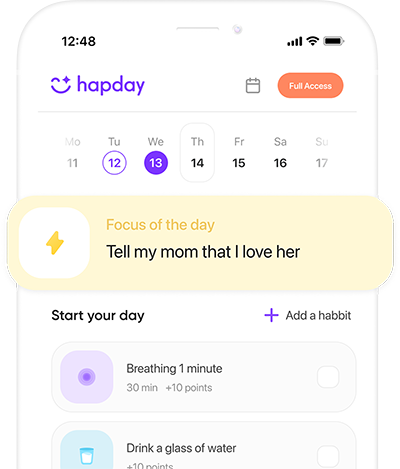
Picture a mental oasis you can access anytime, no matter the chaos unfolding outside. Meditation provides this break, helping disentangle your thoughts and physical tensions, bringing you into the present. Millions have turned to platforms like Hapday for on-demand sessions designed to melt away stress and encourage peaceful sleep.
Starting Your Sleep-Focused Meditation Practice
Starting meditation as part of your nightly routine doesn’t mean hours of solitary silence. Dr. Lydia Restrepo, a sleep expert, suggests a gentle beginning of five to ten minutes.
“The key is consistency, not length, for starters,”
— Dr. Lydia Restrepo, Sleep Expert
she emphasizes.
“Choosing a time and place where you won’t get interrupted helps make meditation a steady habit.”
— Dr. Lydia Restrepo, Sleep Expert
Breathing Meditation
For beginners, breathing exercises are a simple, accessible gateway. Try this:
- Find a Comfortable Position: No strict rules here—comfort is king. Whether seated or lying down, the goal is to sustain focus without discomfort.
- Focus on Your Breath: Inhale deeply through your nose, watch your belly expand, then release it slowly through your mouth. Concentrate on the rhythm; it anchors your mind.
- Count Your Breaths: With each inhale reach “one,” and after an exhale, “two,” until five, then start again. Should distractions arise, gently return to your breathing.
This exercise not only cultivates a tranquil mind but it slows your heart rate, lulling you closer to dreamland. The Sleep Foundation found that such exercises can cut the time needed to fall asleep in half.
Guided Meditation: An Ally in Your Sleep Quest
Guided meditations reduce mental strain by offering a structured practice. After a challenging divorce, Maya battled restless nights and found an ally in guided meditation.
“I let someone else’s voice lead my thoughts from anxiety to serenity,”
— Maya, Client
she reflects.
There’s a wealth of apps and recordings focused on sleep-specific meditations that merge soothing sounds with relaxing narratives to ease you towards slumber. Apps like Calm or Headspace can weave seamlessly into your nightly decompression routine.
And when silence feels daunting, envision utilizing an AI coach like Hapday that offers real-time support whenever nighttime worries strike, even at the most unbecoming hours.
Mindfulness Meditation: Cultivating Present-Moment Awareness
Rooted in Buddhism, mindfulness meditation stresses being present, here and now—helping to ease the pressure to fall asleep.
To practice mindfulness before bed:
- Body Scan: Lying down, mentally traverse your body from head to toe, observing sensations without judging. This redirects insomnia-driven frustration toward a more peaceful internal focus.
- Noting: If thoughts emerge, label them “thinking” or “feeling,” then let them drift away. This nurtures detachment from anxiety-inducing patterns.
Emma Seppälä, psychologist and author of “The Happiness Track,” underlines this method:
“Mindfulness reduces rumination, a common insomnia factor, allowing the mind a quiet retreat in its own space.”
— Emma Seppälä, Psychologist
Overcoming Obstacles and Nurturing Your Practice
It’s essential to grasp that meditation isn’t a quick-fix solution but a cultivated skill. Many novices find their minds wandering or anxiety flaring; this isn’t unusual.
“Don’t feel frustrated,”
— Dr. Chen
advises Dr. Chen.
“See wandering thoughts as chances to practice patience and come back to the present.”
— Dr. Sarah Chen, Clinical Psychologist
Embedding meditation in an established bedtime ritual can solidify its practice. Consistency matters—consider this nightly routine:
- Wind-Down Time: Block 30 minutes pre-bed for dialing down activity. This might mean reading, dimming lights, or gentle stretching.
- Silent Setting: Shut off screens an hour before sleep; blue light can hinder melatonin, negatively impacting sleep.
- Elegant End: Cap your day with gratitude journaling, unloading thoughts onto paper to free your mind for rest.
Embracing the Full Spectrum of Rest
The journey towards a meditative practice involves patience, offering rewards beyond improved sleep. You’ll find a new resilience to stress, better emotional balance, and a more wholesome sense of well-being. When embedded, meditation isn’t about controlling your thoughts—it’s about welcoming serenity.
If sleep keeps dodging you and nighttime restlessness morphs into daytime fatigue, it might just be time to embrace meditation’s calming embrace. Giving yourself the freedom to unwind and recharge is not just an act of kindness—it’s vital for your health.
The Bottom Line
In the quest for transformative rest, platforms like Hapday (hapday.app) offer AI-assisted sessions that sync with your schedule, ushering you through insomnia with expert-backed guidance available any time you need it.
References
- American Sleep Association
- JAMA Internal Medicine
- National Institutes of Health (NIH)
- Sleep Foundation
- Harvard Health Publishing