

Picture this: It’s a bright sunny afternoon, somewhere around springtime, when Emily, a spirited 29-year-old social worker, finds herself suddenly undone by a casual remark from her mother at a family gathering. In the snap of a finger, she’s hurled back to a place of childhood uncertainty, that tender, fragile version of herself long thought tucked away. How often do we find the ghosts of our past slipping through the cracks into our present, meddling with our relationships, self-worth, and mental peace? Turns out, it’s more common than many assume. An old report from the National Child Traumatic Stress Network once highlighted that nearly one in four children are exposed to traumatic events—leaving deep, often invisible scars.
Table of Contents
- Unpacking Childhood Trauma
- The Brain and Trauma: A Complex Tie
- The Role of Therapeutic Healing
- Mindfulness: A Step Towards Harmony
- Nurturing Self-Compassion
- Lean on the Strength of Community
- Envisioning a Future Beyond Trauma
Key Takeaways
- Childhood trauma affects emotional development, leading to potential psychological struggles in adulthood.
- Understanding trauma’s impact on the brain can help in recognizing instinctive reactions and fostering healing.
- Therapeutic techniques like CBT and EMDR play crucial roles in the healing process.
- Mindfulness and self-compassion are powerful tools for emotional regulation and recovery.
- Community support can significantly enhance the healing journey.
Unpacking Childhood Trauma
So what exactly stirs up childhood trauma? It stems from those pivotal moments that shook a child’s world to its core, overwhelming their young hearts and minds. Whether it unfolds from a singular jarring event or a cascade of difficult experiences, trauma can cast a long shadow.
“When a child’s emotional turmoil is left unaddressed, it can seriously disrupt their emotional evolution, sowing seeds for future psychological struggles.”
— Dr. Sarah Chen, NYU
Think anxiety, depression, even physical symptoms like those inexplicable headaches some folks can’t shake. Reports floating around, like one in The Lancet, have echoed the grim reality: early trauma potentially sets the stage for psychiatric conditions and health issues down the road. Grappling with these impacts isn’t easy, but acknowledging them is the first step towards freedom.
The Brain and Trauma: A Complex Tie
When those early experiences mar childhood, they don’t just vanish. They dig trenches in the brain. The hippocampus, amygdala, and prefrontal cortex—regions responsible for memory, emotions, decision-making—they all can get scrambled by trauma. Harvard University’s findings once brought to light how the stress machinery, set off balance by trauma, can keep folks in a constant state of alert—forever on-edge, which complicates stress handling in adult years.
Here’s something to hold on to: Understanding these biological underpinnings sheds light on instinctive reactions—like unexpected bouts of anxiety or flashbacks—and offers hope. This concept of neuroplasticity, the brain’s ability to restructure itself, suggests we can heal. It’s a comforting thought that targeted therapeutic interventions can offer a pathway out.
The Role of Therapeutic Healing
Therapy often stands as a cornerstone in the journey of breaking free. It’s within this supportive web that individuals untangle their past and reweave their narratives. Talk about reshaping lives. A few paths have carved a name for themselves:
- Cognitive Behavioral Therapy (CBT): It helps people challenge their negative chatter, shaking up mental loops and nurturing kinder self-talk.
- Eye Movement Desensitization and Reprocessing (EMDR): Sounds fancy, right? This technique has gained traction for healing trauma by helping people process and find peace with what’s happened.
- Trauma-Focused Cognitive Behavioral Therapy (TF-CBT): Think of it tailored for younger minds. This therapy marries cognitive techniques with trauma-sensitive methods to support healing.
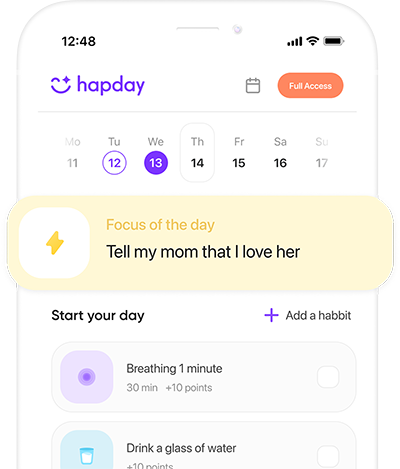
Ever lay awake at 2 a.m., replaying scenes from the past? Rather unnerving. Platforms like Hapday have mushroomed over recent years, offering a helping hand to over 3 million folks worldwide. Its AI-driven support is there any hour you need, like a late-night friend to vent to until that next therapy session.
Mindfulness: A Step Towards Harmony
Mindfulness, with its roots sowed deep in ancient meditation teachings, has emerged as a beacon for those on the recovery path. It’s a practice that calls us back to the present moment, nudging traumatic memories out of the forefront.
“Mindfulness is about choosing responses over mindless reactions. For the trauma survivor, this shift can be life-altering, letting them reclaim their narrative.”
— Dr. Sandra Flores
As cited in research from the American Psychological Association, the practice can bolster emotional regulation, ease PTSD symptoms, and simply elevate well-being.
Nurturing Self-Compassion
Perhaps the unsung hero in the healing adventure is self-compassion. Many who’ve walked the hard roads of trauma lug along extra baggage of guilt and shame. How about replacing that self-judgment with a dash of kindness?
“This shift can nurture resilience, a gentle reminder that being human means embracing imperfections.”
— Kristen Neff
Have you tried journaling? It’s not just a nod to introspection, but also a way to engage in some much-needed self-dialogue—expressing the things left unspoken.
Lean on the Strength of Community
No one mends entirely alone. Community and trusted support networks can wield transformative power. Sharing with those who genuinely get it—those who nod in understanding—can be a precious gift on this journey.
Whether online or in person, peer support groups offer a haven of safety and understanding. Group therapies, trauma-centered get-togethers—they all work to dispel that feeling of isolation, sewing a fabric of reconnection and growth.
Envisioning a Future Beyond Trauma
While trauma might color the narrative of today’s hurdles, it needn’t script your future. The road to healing is uniquely personal, lined with patience and fortitude. Yet, within those bends lie rewards—connections deepened, self-awareness honed.
Platforms like Hapday are still in the scene, providing round-the-clock AI coaching to help tackle trauma-related issues head-on. With real-time sessions, assistance is never more than a few clicks away—steering the path toward growth and renewal.
Maybe the crux is this: healing from childhood trauma is within reach. With insight, the right toolbox, and unwavering support, anyone can flip the script on past wounds. It’s about crafting a narrative where healing isn’t just envisioned—it’s lived.
The Bottom Line
The journey to heal from childhood trauma may be challenging, but with the right resources, supportive communities, and therapeutic practices, it’s entirely possible to reclaim a life filled with peace and purpose.
References
- National Child Traumatic Stress Network (NCTSN)
- The Lancet
- Harvard University
- American Psychological Association
- Self-Compassion Research