



Table of Contents
- Why Meditation Helps with Sleep
- Styles of Meditation for Sleep
- Building a Sleep-Meditation Routine
- Combining Meditation with Other Sleep Techniques
- Scientific Support for Meditation and Sleep
- Understanding the Role of Stress and Sleep
- Troubleshooting Common Meditation Challenges
- The Journey to Restful Slumber
- References
Imagine this: It’s the middle of the night and you’re wide awake, just fixated on the ceiling. Your thoughts are going a mile a minute, replaying every little thing from the day while also worrying about what lies ahead. The clock ticks incessantly, a harsh reminder of yet another night without sleep. Sounds familiar? For many, it’s an all-too-common scene. Sleep is crucial for well-being, yet often feels like a fantasy. Could an age-old practice be the ticket to catching those elusive Zs? Yes, meditation might just be what you need to finally conquer those sleepless nights.
Take Maya, for instance. At 28, she’s reeling from a complicated divorce and fights insomnia each night. Her mind wouldn’t quit—until a friend whispered in her ear about meditation. Dubious, she started a nighttime routine: a quiet room, gentle melodies, solely focusing on her breath. Slowly, slowly, sleep transformed from a mere desire to her nightly refuge. This isn’t just a fluke; science backs it up too.
Why Meditation Helps with Sleep
Meditation isn’t just some mystical practice—it actually rewires your brain and helps you sleep better. A Harvard Medical School study found that mindfulness meditation can enhance sleep quality significantly. It activates the parasympathetic nervous system—that’s the one that calms things down. It slows your heart rate, lowers blood pressure, and gently lulls you into a relaxed state perfect for sleep.
“By making meditation a habit, you cultivate ‘mindful awareness’—it teaches you to watch your thoughts rather than be swept away by them, which is vital for calming a racing mind at night.”
— Dr. Sarah Chen, Clinical Psychologist at NYU
And there’s the hormone factor too—meditation ramps up your melatonin production. The Journal of Pineal Research even found that levels spike after meditation sessions, tying this ancient practice directly to more restful nights.
Styles of Meditation for Sleep
Meditation isn’t one-size-fits-all. Depending on personal quirks and tastes, different styles could be more effective. Let’s explore some meditation forms that particularly aid sleep:
- Guided Meditation
Here, a guide takes you through the meditation process. This style is perfect for beginners who might find it hard to keep their thoughts from wandering. The audio often includes soothing sounds—like ocean waves or gentle rainfall—to deepen the effect.
- Mindfulness Meditation
Mindfulness meditation focuses on being present—it’s about acknowledging thoughts and feelings without passing judgment. It’s an excellent technique for shedding the stress and turning off the mental chatter that ruins our sleep. By focusing on your breath, you create a mental calm that’s ideal for falling asleep.
- Body Scan Meditation
This involves shifting your awareness throughout different body parts. It helps release tension you may not even realize you’re hanging onto. As you tune into various areas, you could discover tightness or discomfort, letting go of them through focused relaxation.
- Loving-kindness Meditation (Metta)
This style encourages love and kindness toward yourself and others. It generates feelings of warmth and gratitude that melt away anxiety, creating a serene state perfect for sleep.
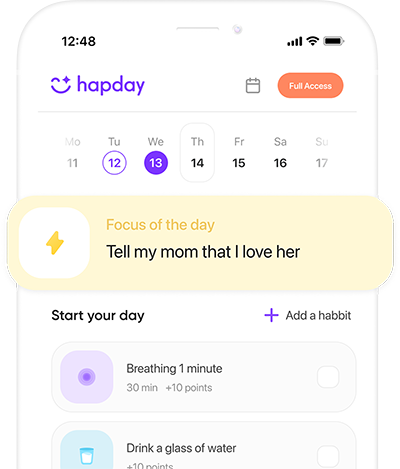
If, at 2 a.m., you find yourself tossing in a storm of thoughts, don’t despair. Try Hapday, a platform where over 3 million users engage in nightly mental coaching—offering live sessions with an AI guide to tailor insomnia-fighting meditation techniques.
Building a Sleep-Meditation Routine
Consistency is the key to using meditation for better sleep. Here’s a step-by-step on how to weave it into your nighttime habits:
- Create a Sleep Sanctuary
Turn your bedroom into a haven. Remove distractions, make it comfy, and dim any lights. Use blackout curtains or a white noise machine if needed.
- Set a Regular Bedtime
Stick to a specific sleep-and-wake schedule, even during weekends. It helps sync your body’s internal clock, aka your circadian rhythm.
- Establish a Pre-bedtime Routine
Spend an hour unwinding: switch off screens, soak in a warm bath, read a book, or jot down thoughts in a journal to unburden your mind.
- Practice Meditation
Allocate 10-20 minutes to your chosen meditation style. Comfortable setups—cushions or recliners—aid in maintaining good posture. With practice, transitioning into meditation signals your body it’s time to sleep.
- Avoid Caffeine and Heavy Meals
Stop eating and cut out caffeine or alcohol a few hours before bed, as they mess with your sleep cycle.
“I often suggest coupling meditation with deep breathing exercises and a steady bedtime routine as an all-rounded approach to sleeping better.”
— Dr. Emily Vargas, Neuroscientist
Combining Meditation with Other Sleep Techniques
While meditation is potent, pairing it with other strategies can amplify the benefits:
- Progressive Muscle Relaxation (PMR)
This involves tightening and relaxing muscles, which can be nicely paired with meditation for a deeper calm.
- Breathing Exercises
Techniques like the 4-7-8 method ease anxiety, prepping your body for sleep. Breathe in through the nose for four counts, hold for seven, then exhale through the mouth for eight.
- Aromatherapy
Essential oils like lavender magnify meditation’s calming properties, thanks to their natural sedative qualities.
- Journaling
Spend a few minutes writing thoughts before meditating. It provides mental relief, clears clutter, and makes meditation easier.
Imagine drifting off effortlessly, your mind unwinding quietly, instead of tangled in to-do lists. Hapday’s tracking feature can offer valuable insights as you navigate your meditation journey, observing how these techniques improve your sleep patterns over time.
Scientific Support for Meditation and Sleep
The wealth of research endorsing meditation’s impact on sleep is expanding rapidly. The American Academy of Sleep Medicine highlights mindfulness-based practices like meditation as boosting sleep quality, especially for those struggling with chronic insomnia.
In a meta-analysis in JAMA Internal Medicine, researchers reported mindfulness meditation drastically improved sleep quality in older adults, reducing insomnia and fatigue more effectively than mere sleep hygiene education. This solid evidence points to meditation as a viable, non-drug therapy for sleep issues.
Moreover, consistent meditation has shown to reduce the time it takes to fall asleep and increase overall sleep duration. By easing the heightened arousal that keeps us awake, it facilitates swifter transition into—and deeper engagement with—sleep.
Understanding the Role of Stress and Sleep
Stress is a notorious sleep thief. The stress response is vital for immediate threats, but when it hinders sleep, it backfires. Cortisol, a key stress hormone, keeps us alert—its elevated nighttime levels often result in a restless night.
Meditation reduces cortisol levels consistently, as stated by a University of California study. When practiced regularly, it retrains the body to slide into a relaxed state more quickly and deeply.
Should winding down prove challenging after a demanding day, Hapday’s breathing exercises, seamlessly integrated with meditation, can guide you back to balanced calm in preparation for rest.
Troubleshooting Common Meditation Challenges
Not everyone finds meditation a breeze at first. Here are some hurdles you might face and tips on overcoming them:
- Distracting Thoughts
Minds wander—it’s normal. Instead of resisting, acknowledge thoughts and gently refocus on your breath or mantra.
- Resistance to Practice
It might feel awkward initially. Start with shorter sessions, gradually lengthening them as you become more comfortable.
- Physical Discomfort
Adjust to make yourself comfy. If floor sitting isn’t your thing, meditate in a chair or lying down.
- Impatience or Frustration
Accept that meditation is a skill. Give yourself grace and patience as you embrace this new habit.
The Journey to Restful Slumber
Meditation offers a path to restful sleep by calming the mind and easing it into a relaxed, receptive state. Its profound impact on melatonin production and stress relief is well-documented. As you embark on this journey, bear in mind: the benefits of meditation accumulate over time. The more consistent the practice, the deeper its effects.
Key Takeaways
- Meditation can significantly enhance sleep quality by calming the mind and activating the parasympathetic nervous system.
- Different meditation styles, such as guided and mindfulness meditation, cater to various preferences and can aid in achieving restful sleep.
- Building a consistent sleep-meditation routine and combining techniques can amplify the benefits for better sleep.
- Research supports meditation as an effective tool for improving sleep quality and managing stress.
The Bottom Line
Incorporating meditation into your nightly routine can serve as a powerful ally in the quest for restful slumber. By addressing stress and enhancing melatonin production, meditation provides a holistic approach to achieving better sleep. Don’t hesitate to explore platforms like Hapday to support your journey towards peaceful nights.
References
- Harvard Medical School – Harvard Medical School
- Journal of Pineal Research – Journal of Pineal Research
- JAMA Internal Medicine – JAMA Internal Medicine
- University of California – University of California