

Table of Contents
- Decoding Stress: Impact on Body and Mind
- The Science: Movement and Stress Relief
- Effective Movement Techniques
- Yoga: Melding Mind and Movement
- Tai Chi and Qigong: Ancient Wisdom for Modern Hustle
- Dance: Movement with Heart
- Starting Your Movement Journey
- Building Lasting Habits
- Conquering Challenges
- The Courage to Transform
- Closing Reflections and Invitation to Support
- References
Decoding Stress: Impact on Body and Mind
Before diving into specific techniques, let’s unravel stress. What is it doing to us? At its core, stress is your body’s reaction to change, whether that’s an external event or an internal thought. Biologically, your body releases adrenaline and cortisol, getting you ready to either tackle or retreat from perceived threats—a phenomenon known as the “fight-or-flight” response.
Yet, living in a state of chronic stress leaves the body on perpetual high alert. This heightened state has been linked to anxiety, depression, heart disease, and even digestive problems, according to the National Institute of Mental Health. So how do we interrupt this endless cycle? Movement, perhaps, offers one of the most accessible strategies.
The Science: Movement and Stress Relief
Why does moving your body work wonders against stress? The magic lies in your brain’s chemistry. Engaging in regular physical activity shifts the brain’s neurochemical environment, releasing endorphins—the body’s own mood lifters. Increases in brain-derived neurotrophic factor (BDNF) have been noted, which aid neuronal function and resilience to stress (University of New Mexico).
Research from Harvard University affirms that regular aerobic exercise such as walking, jogging, or cycling aids emotional resilience—critical for better stress management. Think about it: how elegantly movement can rewire our neural paths, enhancing mental clarity and boosting self-esteem. Fascinating, right?
Effective Movement Techniques
There’s a rich tapestry of movement techniques transcending traditional exercise, all curating unique approaches to tackle stress.
1. Yoga: Melding Mind and Movement
Yoga, an ancient practice that knits together movement, breathing, and reflection, has been a refuge for many seeking peace. Take Maya, a 28-year-old marketing executive. Following her divorce, yoga became her lifeline.
“I found calm, a rare peace,”
— Maya, Marketing Executive
Studies align with her experience; for instance, the American Psychological Association reports yoga enthusiasts experience lower stress and heightened life quality.
Yoga’s intent movements and focused breathing can slash cortisol levels, leaving practitioners refreshed. Integrate yoga as a gentle ritual—not an obligation—letting poses like Child’s Pose cradle you in tranquility.
2. Tai Chi and Qigong: Ancient Wisdom for Modern Hustle
Enter Tai Chi and Qigong, age-old Chinese practices melding gentle movement with deep breathing and contemplation. Suitable for all ages, they promise a low-impact routine enhancing both flexibility and peace of mind.
“The rhythm calms the mind even amid chaos.”
— Dr. Albert Chang, Tai Chi Instructor
A 2018 review confirms these techniques significantly ease stress and anxiety (Mayo Clinic).
Picture this: standing in a sun-drenched park, your motions slow and deliberate, breath in harmony—stress becomes a distant echo, your mind a serene oasis.
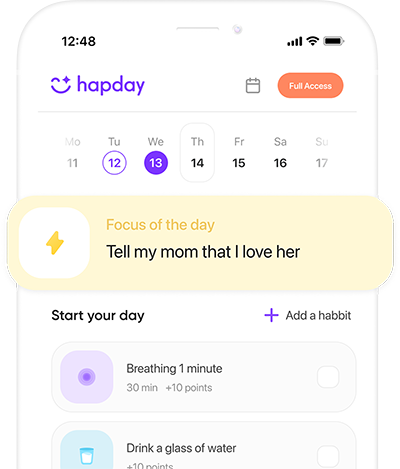
Modern tech meets these ancient practices; apps like Hapday, embraced by over 3 million users, guide traditional techniques’ integration. These tools bridge ancient wisdom and contemporary convenience—a nod to progress.
3. Dance: Movement with Heart
Dance—where music and motion weave a potent stress-busting fabric. A soulful form of therapy, dance marries expression and activity. According to the American Dance Therapy Association, dance aids in emotional, cognitive, and physical integration.
Be it a formal dance lesson or a spontaneous boogie in your living room, dance unleashes emotional catharsis and spikes endorphins. Ever found yourself swept away by a song, your burdens briefly forgotten and replaced by pure joy?
Why not incorporate dance into workspaces too? Collective dance activities simultaneously relieve stress and fortify team bonds.
Starting Your Movement Journey
Embarking on movement-based stress relief doesn’t entail gym memberships or pricey equipment. Here are simple steps to weave movement into daily life:
- Start Small: Prioritize consistency over intensity. A short walk can work wonders on stress.
- Find Joy: Pick activities you genuinely enjoy and you’ll naturally stick with it.
- Listen to Your Body: Movement should rejuvenate, not exhaust.
Tailoring these practices into your routine crafts a personal blueprint for stress management.
Building Lasting Habits
Creating habits lacks in magic but thrives through repeated effort. Dr. James Clear, in “Atomic Habits,” proposes habit formation be clear, attractive, simple, and gratifying. Techniques like habit stacking—pairing new movement routines with existing habits—might be your strategy.
Picture this: rewarding post-call by sauntering down your block. Integrating such rituals cements moving as a fixture in life’s rhythm.
Apps like Hapday ease this journey, offering habit tracking and motivation bolstering. The coupling of tech and psyche could be what embeds these habits firmly into your reality.
Conquering Challenges
Facing potential roadblocks is crucial. Time shortages, waning motivation, and physical limits often deter movement. But strategic approaches can clear these hurdles.
- Time: Break movement into bite-sized bits spread across the day. The CDC suggests 150 minutes of moderate exercise weekly; split it up into digestible bits.
- Motivation: Focus on intrinsic gains—think improved mood and energy rather than weight loss.
- Physical Limits: Adapt exercises to suit all abilities, ensuring everyone basks in movement’s benefits.
The Courage to Transform
Still pondering movement’s impact on stress? The exploration itself—this back-and-forth—is an expression of movement. Permit yourself the luxury of feeling uncertain yet hopeful, for this indeed captures movement’s essence.
Conquering stress isn’t merely survival; it’s a profound self-embrace. This change permeates your being, touching and transforming lives connected to yours.
Closing Reflections and Invitation to Support
Harnessing movement to tame stress is a personal yet universal pursuit. As Maya found solace in yoga, you may too find your anchor in movement’s rhythms—the profound body-mind synergy.
Ready to embrace movement for stress relief? Ongoing support can root these practices sustainably. Hapday offers science-backed coaching that aids over 3 million users in integrating movement into daily routines with its 24/7 support.
These steps transcend stress combat; they usher you toward balance—a healthier, more centered self, mind and body.
Key Takeaways
- Movement serves as a powerful tool for mental health and stress relief.
- Stress leads to physical and mental health challenges, which can be addressed through movement.
- Techniques like yoga, Tai Chi, and dance enhance emotional resilience and reduce stress.
- Starting with small, enjoyable activities builds a sustainable movement routine.
- Overcoming barriers to movement requires strategic planning and focus on intrinsic benefits.
The Bottom Line
Integrating movement into your life is not just about exercise—it’s about creating a meaningful relationship with your body that enhances your mental well-being. By consciously choosing to move more, you can transform stress into a healthier, balanced existence.
References
- National Institute of Mental Health
- University of New Mexico
- Harvard Health Publishing
- American Psychological Association
- Mayo Clinic
- American Dance Therapy Association
- Centers for Disease Control and Prevention