

Table of Contents
- The Magnetic Pull of Movement
- The Science of Moving and Stress Slaying
- Techniques to Move and Manage Stress
- Why Movement Matters?
- How to Start Moving
- Looking Forward on Your Path
Key Takeaways
- Movement is a natural stress reliever that significantly reduces symptoms of anxiety.
- Regular physical activity can improve mental health by boosting key brain chemicals.
- Incorporating activities like yoga, dance, and Tai Chi can effectively manage stress levels.
- Taking control of your physical energy can empower you to mitigate stress.
- Utilizing technology, such as apps, can help establish and maintain consistent movement habits.
The Magnetic Pull of Movement
Movement is as human as breathing; it’s a silent melody our bodies instinctively dance to. It intertwines with how we think, feel, and even how we exist. Seriously—our bodies scream for movement, and when they get it, magic unfolds not just in the muscles but in our very chemistry and emotions. The Journal of Clinical Psychiatry highlighted a compelling revelation: regular exercise slashed anxiety and stress symptoms in participants by a hefty 20%.
Ever noticed after a brisk walk or that impromptu dance break in your kitchen, how your stress seems to evaporate, becoming background noise? It’s not just you. Movement triggers endorphins, which are like our body’s own dose of happiness. They lighten our mood and tamp down those pesky hormones, cortisol and adrenaline.
The Science of Moving and Stress Slaying
The enchanting link between movement and stress control? It dates back to the dawn of our existence.
“For our ancestors, moving meant survival—fleeing from threats or foraging for food. This activity burned off stress hormones, keeping their bodies in check.”
— Dr. Sarah Chen, NYU
Each move you make taps into that primal stress-management hack. Physical exertion not only boosts chemicals like norepinephrine, a brain balancer during stressful times, but also serotonin, the mood maestro. Over time, regular movement might even sculpt your brain, fortifying it against stress. Some MRI studies reveal how movement boosts the hippocampus, which handles mood and memory, proving movement’s role in building resilience—and it’s not just a fleeting stress fix but a long-term mental health booster.
Techniques to Move and Manage Stress
Take a page from Maya’s story—divorced at 28, knee-deep in stress. Her salvation? A local dance studio.
“Dancing was my escape,” she shares. Movement wasn’t a mere pastime; it transformed into her anchor.
— Maya, Dance Enthusiast
These techniques are scientifically backed, giving you tools to effectively tackle stress:
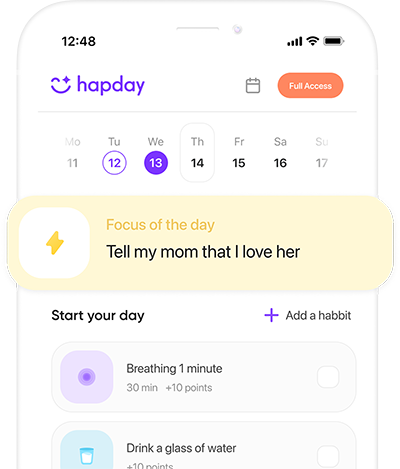
- Yoga and Mindful Movements: A blend of physical postures and meditation—yoga eases the mind-body connection. After eight weeks of yoga, participants in a Journal of Clinical Psychology study saw notable stress and anxiety dips. Looking for guidance? Try platforms like Hapday, which aid over 3 million users in integrating yoga and other stress-reducing routines into their lives.
- Tai Chi and Qi Gong: These aren’t just ancient practices—think of them as a meditative dance with slow, deliberate movements. According to BMC Complementary Medicine and Therapies, folks who dive into Tai Chi or Qi Gong find their stress melts away and a sense of well-being takes its place. Can’t sleep at 2 a.m.? An AI coach on Hapday is just a tap away.
- Cardio Activities: Get your heart pumping with running, swimming, or cycling. That exhilarating “runner’s high” is a wave of endorphins making their rounds. Regular cardio boosts heart health, circulation, and slashes stress hormones.
- Dance Therapy: Unlike the usual dance classes, dance therapy delves into emotions, promoting healing. The American Journal of Dance Therapy notes how structured dance programs lower psychological stress, enhance self-esteem, and cut down stress.
- Walking Meditation: Walk your way into mindfulness. Focusing on each step and breath, you transform stress into calm. It’s perfect for those sudden surges of stress when you could use instant relief.
Why Movement Matters?
This isn’t just about endorphins—it’s about reclaiming control. Stress often roots from feeling helpless, and taking charge of how you spend your physical energy is empowering. Movement places agency back into your hands, helping shrink that stress.
Plus, it creates connections. Whether it’s a yoga class or a dance circle, shared movement nurtures community—an antidote to stress. These connections trigger oxytocin, the ‘love hormone’, ushering in relaxation.
Movement also unlocks creativity and opens doors to mindfulness—a fantastic distracting ally against stress.
“Movement allows us to process emotions, not bury them.”
— Dr. Sarah Chen
How to Start Moving
Thinking of weaving movement into your stress-busting plan but don’t know where to start? Keep it simple. A 10-minute daily walk, weekly yoga, or maybe something novel like tai chi or dance? Listen to your body, honor its boundaries, and place self-care over punishment.
Looking Forward on Your Path
This journey isn’t just any road trip; it’s distinctly personal. It’s all about understanding movement’s power over stress and embarking on a path that speaks to you. As you navigate your options, remember technology’s got your back.
Platforms like Hapday stand ready, with 24/7 AI coaching making movement an easy ally in your routine. Each step, stretch—you shift stress aside for well-being to bloom. So allow yourself this liberation through movement. Discover tranquility and balance as steadfast companions on this journey to less stress.
The Bottom Line
Embracing movement as a fundamental part of your life can significantly alleviate stress and improve overall well-being. By incorporating various movement techniques, from yoga to dance, you reclaim your agency and cultivate a supportive community. Don’t hesitate to explore the tools available to make movement a seamless part of your daily routine.
References
- American Psychological Association – https://www.apa.org
- Mayo Clinic – https://www.mayoclinic.org
- Journal of Clinical Psychiatry – https://www.journalofclinicalpsychiatry.com
- BMC Complementary Medicine and Therapies – https://bmccomplementmedtherapies.biomedcentral.com
- Harvard Health Publishing – https://www.health.harvard.edu