



Table of Contents
- Unraveling the Tension: How Movement Heals
- The Science Behind Movement and Stress Relief
- Movement Techniques to Tackle Stress
- Yoga: The Harmony of Mind and Body
- Dance: Expressive Freedom
- Walking and Running: The Simplicity of Strides
- Designing Your Movement Routine
- Get Moving to Get Better
- Final Thoughts
Unraveling the Tension: How Movement Heals
Stress—the omnipresent villain of modern life. It’s 7 PM on a Tuesday, and you’re hunched over a computer, eyes stinging from fatigue, while the relief of sleep feels like a remote possibility. Deadlines loom large, and the weight of responsibilities bears down like bricks. Sound familiar? You’re in good company.
Amidst this whirlwind of tasks and demands, stress sneaks in undetected, leaving us feeling vulnerable. But perhaps the remedy lies in something as natural as movement. Numerous studies laud physical activity as a potent stress buster—those fleeting moments of motion trigger endorphins, those wonderful mood boosters.
Consider a 2020 study in the Journal of Happiness Studies which found that any form of physical activity was linked to reduced stress levels and greater happiness among participants (Georgiadis et al., 2020). So, how can we transform stress into calmness with a few strategic moves? Let’s explore.
The Science Behind Movement and Stress Relief
The link between physical movement and mental health is fascinating. Dr. Sarah Chen, a clinical psychologist at NYU, describes it as the brain’s natural detox.
“When we move, it’s like cleansing our brain. This enhances our ability to handle emotional stress and promotes neural growth, explaining the uplifted mood and outlook.”
— Dr. Sarah Chen, Clinical Psychologist
This comes down to our brain chemistry—activity releases neurotransmitters like serotonin and dopamine, reducing anxiety and boosting mood. Moreover, exercise helps curb cortisol, the notorious stress hormone, giving us relief both now and later.
High cortisol isn’t just bad for your mood; it’s linked to serious health issues like heart disease and digestive problems. Movement allows us to tap into our innate ability to manage stress physically—not just mentally.
Movement Techniques to Tackle Stress
No need for marathon training or heavy lifting to feel the benefits. Movement comes in many forms, and finding the right fit for your life is crucial. Let’s take a look at a few effective techniques:
1. Yoga: The Harmony of Mind and Body
Yoga’s rise in popularity isn’t just because of those Instagram-worthy poses. This ancient practice combines physical postures with mindful breathing, offering more than meets the eye. According to Harvard Medical School, yoga doesn’t only alleviate stress but also balances hormones and lowers blood pressure.
Take Sylvie, a 24-year-old software developer, who turned to yoga during a stressful time at work.
“I kept hearing that voice telling me to be perfect. Yoga showed me how to listen and let it go. It was more than exercise; it felt like meditation in motion.”
— Sylvie, Software Developer
How to Begin: Start with beginner classes. Online apps or YouTube tutorials are good places to start. Just twenty minutes a day can yield noticeable results over time.
2. Dance: Expressive Freedom
Dance—whether structured like salsa or utterly spontaneous—provides a glorious way to shake off stress. When you’re encouraged to “dance like no one is watching,” it’s an invitation to release cortisol, boost endorphins, and enjoy a social connection.
Marie, a 29-year-old graphic designer, found peace in dance during stressful periods.
“It was euphoric—a workout, sure, but also a joyful release unlike anything else.”
— Marie, Graphic Designer
How to Get Moving: Look at local or virtual dance classes, or simply dance in your living room. Even casual moves while you cook can lift your spirits.
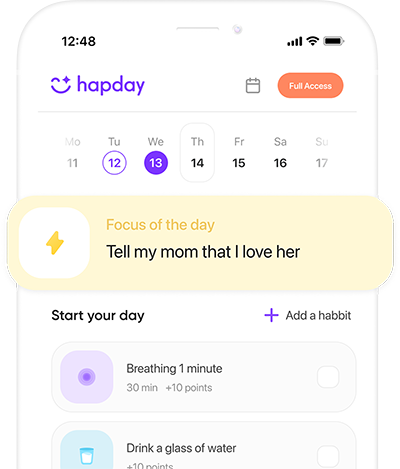
With over 3 million users, apps like Hapday provide mental health support, offering personalized movement routines to help manage stress and anxiety.
3. Walking and Running: The Simplicity of Strides
Never underestimate the power of a brisk walk or a gentle jog. Not only do these activities bolster cardiovascular health, but they also help with stress relief. An insightful study from Arizona State University found that just a 10-minute brisk walk could reduce tension and improve mood (Journal of Health Psychology).
Getting Started: Make daily walks a habit—explore your neighborhood or local parks. Gradually introduce short bursts of running. Nature’s own benefits further reduce cortisol and blood pressure.
Designing Your Movement Routine
Building a routine isn’t about rigid schedules; it’s about consistency and enjoyment. Consider what resonates with you. Maya, a 30-year-old marketing exec going through a tough divorce, found solace in a mix of daily morning runs and weekend yoga.
“Movement became a sanctuary—an escape where stress couldn’t infiltrate.”
— Maya, Marketing Executive
- Variety is Key: Beat routine monotony by alternating yoga, dance, and walks.
- Mindful Breathing: Enhance movement with breathing exercises like deep or box breathing to amplify calm.
- Use Technology: Apps like Hapday aid in tracking habits, sending reminders to maintain progress.
Get Moving to Get Better
Ultimately, the quest isn’t about perfection or competition but rather about wellness. Choose movement that you love. Challenge yourself, but be gentle.
Does this scenario resonate? Know that relief is often at your feet. Physical activities are allies in life’s race, helping level the stress scale.
Final Thoughts
Turning stress into strength doesn’t require superhero efforts—just simple, consistent actions. Movement offers a natural, accessible path to well-being.
And if late nights filled with anxiety are all too familiar, having immediate support counts. Hapday (hapday.app) offers 24/7 AI coaching for those crucial moments, helping change stress into tranquility.
Bring a friend into this journey or let instinct guide your moves. Every movement makes a difference, every stride strengthens, and with every dance step, stress fades away.
Key Takeaways
- Movement reduces stress by releasing endorphins and neurotransmitters like serotonin and dopamine.
- Yoga, dance, and simple walks are effective techniques for stress relief.
- Establishing a consistent and enjoyable movement routine is essential for wellness.
- Utilizing apps can enhance your movement experience and track your progress.
The Bottom Line
Movement is a powerful ally in managing stress and enhancing overall well-being. Choosing activities you enjoy and practicing them consistently can help turn stress into strength.