



Table of Contents
- The Dance of Mind and Body
- Finding Flow with Yoga and Tai Chi
- Stress Management with Cardiovascular Exercise
- Engaging in Movement Meditation
- Strengthening Connections with Dance
- Unlocking Stress Relief Through Breathing Exercises
- Making Movement a Daily Ritual
Key Takeaways
- Movement techniques are essential for managing stress, especially for Gen Z and Millennial women.
- Regular physical activity triggers endorphins, helping to alleviate stress and anxiety.
- Practices like yoga, Tai Chi, and dance offer unique benefits for mental well-being.
- Integrating movement into daily routines can drastically improve emotional health.
- Mindful breathing and movement meditation can enhance relaxation and stress relief.
You know the feeling. It’s late, everyone else is tucked in for the night, and yet your mind races like a runaway train. Each nagging thought seems to tug at your shoulders, leaving tension knotted up like a worn rubber band. Stress—an unwelcome visitor lurking just beneath the surface, ready to disrupt any semblance of calm. But here’s a thought: what if your body held the key to dissolving this stress, turning it into calm and clarity instead? Intriguing, isn’t it?
In today’s relentless hustle, especially for Gen Z and Millennial women juggling careers, social lives, and self-care, mastering stress with movement techniques isn’t just helpful—it’s essential. Our bodies and minds are perpetually intertwined. Movement is more than calorie burning; it’s a profound mechanism for stress release and well-being improvement.
The Dance of Mind and Body
The idea of moving to manage stress isn’t some fluffy concept plucked from a yoga retreat brochure; it’s grounded in science. Back in 2019, a thorough meta-analysis in The Journal of Clinical Psychology found that regular physical activity can significantly ease anxiety and stress symptoms. It turns out, whenever you move your body, endorphins—those delightful natural mood lifters—kick into action. They act as natural painkillers and mini-mood elevators, edging you away from stress.
“Movement stimulates neurochemicals that battle stress head-on.”
— Dr. Sarah Chen, NYU
Now, is there a universal movement miracle for everyone? Hardly. Each of us gravitates towards different activities, and the adventure of finding your fit can be liberating.
Finding Flow with Yoga and Tai Chi
Enter the mellow world of yoga—a practice that marries breath with movement, ushering in relaxation and focus. Its stress-busting power is real and measurable: yoga can not only lower blood pressure but also steady heart rates, creating balance in your physical self. A Harvard Health study noted marked declines in stress for regular yoga practitioners.
“Does this sound like your bliss?”
— Dr. Emily Nguyen, Integrative Medicine Specialist
Or maybe Tai Chi is more your speed? This ancient Chinese martial art offers another path from stress to serenity. Picture Maya, 28, finding solace in Tai Chi during her divorce. The slow, deliberate moves let her process emotions without rush—Tai Chi’s rhythm redirects stress into a meditative state.
Stress Management with Cardiovascular Exercise
Prefer your movement more vigorous? Cardiovascular exercise—think running, swimming, cycling—might be your stress-busting champ. Did you hear about that 2018 study by the American Psychological Association? It found that folks getting in at least 30 minutes of cardio three times a week shaved significant stress levels from their lives.
Can’t sleep at 2 a.m. because your brain’s on a loop? Kathleen Miller, a 33-year-old software developer, swears by her nightly runs.
“It’s more than just physical exercise; it’s therapy—each step sheds stress, leaving me with clarity by the end.”
— Kathleen Miller, Software Developer
Engaging in Movement Meditation
Blend meditation with physical action, and you’ve got a potent stress-busting tool: moving meditations like walking meditations or qigong. They invite your mind to synchronize with mindful movement, soothing the nervous system and heightening focus.
“Movement meditations lace meditation with physical action.”
— Dr. Lisa Morales, Mindfulness Practitioner
Finding it hard to let go of tension? Try a walking meditation. Transform every footfall into an act of awareness, turning a stroll into a personal release ritual.
Strengthening Connections with Dance
Dance stands at the intersection of movement and creativity—an ideal stress-reducing practice. The Arts & Health journal found dance cuts anxiety, much like regular exercise, but with a creative twist.
Take, for instance, Jane, a 25-year-old accountant grappling with work pressures. Dance classes became her sanctuary—the movements and music gave voice to emotions she couldn’t articulate otherwise.
“Dance is more than motion; it’s emotion unleashed.”
— Dr. Sarah Chen, NYU
Unlocking Stress Relief Through Breathing Exercises
Sometimes, the antidote to stress is as basic as a breath. Mindful breathing, integral in practices like yoga and Tai Chi, can quell the stress response. When you slow down and focus on deep, measured inhalations and exhalations, your body’s relaxation pathways kick in, nudging you toward calm.
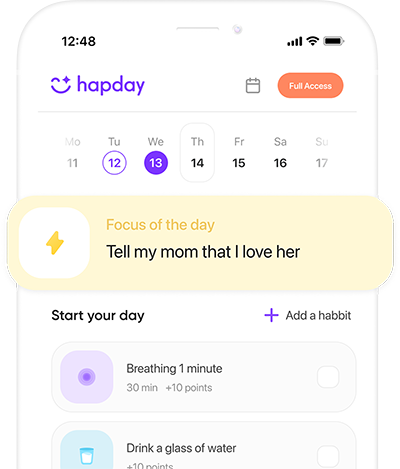
Breathing exercises can be stress saviors on-demand. Platforms like Hapday, tapped by over 3 million, offer customized breathing regimens for stress. Isn’t it fantastic to have this tool ready any moment you need it?
Making Movement a Daily Ritual
Knowing movement’s benefits is step one; weaving it into daily life is the real leap. Where to begin?
- Discover what you love: Whether it’s a brisk morning yoga session, an evening run, or a lively dance class—start with what excites you.
- Set achievable goals: Aim for consistency; even brief exercises alleviate stress. Routine wins over sporadic intensity.
- Craft a supportive setting: Surround yourself with resources and communities that root for movement as your stress manager.
- Adjust as needed: Some days, intense activity isn’t right. Listen to your body; sometimes gentler movements do best.
- Monitor your journey: Keep a log of your emotional and physical states before and after moving to gauge its stress-relief impact.
Picture having a guide around-the-clock, helping you form stress-relieving habits and checking in on your progress—that’s the cutting edge of technology. Hapday, an AI life coach ringing in with over 3 million users, fits this bill, delivering accessible stress relief tools anytime you beckon.
The Bottom Line
The bridge between mind and body is profound. Mastering stress with movement doesn’t just help you tackle life’s challenges—it transforms them into growth, resilience, and self-discovery. Whether through yoga’s fluidity, dance’s rhythm, jogging’s vigor, or meditative walks’ serenity, your journey to tranquility? Just a move away.