



Table of Contents
- Understanding Emotional Intelligence
- The Four Pillars of Emotional Intelligence
- Self-Awareness
- Self-Regulation
- Social Awareness
- Relationship Management
- The Science Behind Emotional Intelligence
- Practicing Emotional Intelligence in Daily Life
- The Perks of Emotional Intelligence
- Emotional Intelligence in Leadership
- Conclusion: Welcoming Emotional Intelligence
- References
Understanding Emotional Intelligence
So, what does emotional intelligence really boil down to? You’ve probably heard of Daniel Goleman’s book where he brought this concept into the limelight. Buckle up, because Goleman didn’t invent it—psychologists Peter Salovey and John D. Mayer did nearly thirty years ago. Simply put, EI is the ability to recognize, understand, manage, and wisely employ our emotions. This isn’t just about feeling good—it’s about actually using those feelings to think better and behave more socially adeptly.
“Emotional intelligence isn’t about being an emotional whiz; it’s all about fostering healthy emotional communication and effective interpersonal ties.”
— Dr. Sarah Chen, Clinical Psychologist at NYU
According to recent research from the American Psychological Association, those with high emotional intelligence often experience less psychological distress and greater personal well-being. Quite the life hack, if you ask me.
The Four Pillars of Emotional Intelligence
Digging deeper, emotional intelligence rests on four pillars: self-awareness, self-regulation, social awareness, and relationship management. Each is vital to navigating our complex emotional landscapes.
Self-Awareness
Self-awareness is the cornerstone of emotional intelligence. It’s about truly understanding your emotions as they unfold. It’s the bedrock upon which all other EI skills are built. Take Maya—at 28, and in the midst of a tough divorce, it was her self-awareness cultivated over years of introspection that helped her seek help rather than being overwhelmed by despair.
This self-awareness means seeing the connection between your emotional state and actions. Ever heard of feedback loops? Well, when Harvard Business Review examined them, they found self-awareness fosters clarity and life purpose. Start with insight and internal reflection, and see where it takes you.
Self-Regulation
Building on self-awareness is self-regulation, or managing your emotions across various situations. It’s about responding thoughtfully to emotional triggers—not suppressing feelings, but expressing them suitably.
“Self-regulation isn’t about bottle corking emotions, but rather developing a versatile emotional toolkit.”
— Dr. Lisa Feldman Barrett, Neuroscientist and Psychologist
Imagine a heated office meeting. Instead of a knee-jerk angry response, an emotionally intelligent person might pause, take a deep breath, and respond calmly. Now that’s wisdom, isn’t it?
Social Awareness
Under the EI umbrella, social awareness means tuning into others’ emotional signals, listening actively, and showing empathy. Think it doesn’t matter? A University of California, Berkeley study says otherwise—empathy is integral to sound leadership and teamwork. Not just hearing, but feeling and understanding, creates an empathetic organization—and a positive ripple effect among team members.
Relationship Management
Finally, relationship management weaves these skills into human interactions. It’s about communication that inspires, influences positively, and resolves conflict sensibly. When Mia, the marketing manager, noticed her team’s tension rising, she prompted open dialogue, ensuring everyone felt heard. Result? Discord was averted and team spirit soared.
It’s not just about defusing conflicts, but fostering connections and encouraging growth. Relationship management is the cumulative application of self-awareness, self-regulation, and social awareness.
The Science Behind Emotional Intelligence
Why does emotional intelligence matter, you wonder? Neuroscience gives us clues: EI involves an intricate dance between the limbic system, which controls emotions, and the prefrontal cortex, home to reasoning. When these brain areas communicate well, decisions—and relationships—flourish.
Some studies even highlight EI’s impact on school performance, job success, and leadership skills. Harvard’s findings suggest individuals with higher EI levels handle stress better and adapt more easily—quite the assets in pressure cookers like corporate environments.
Practicing Emotional Intelligence in Daily Life
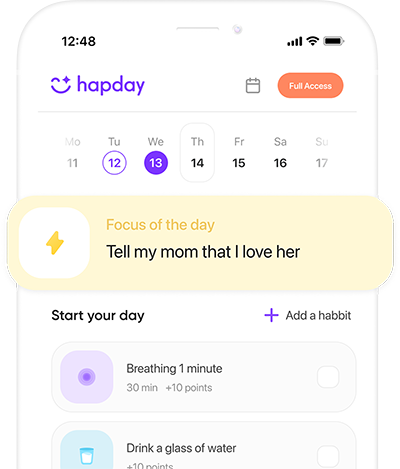
You’re convinced of the benefits, but how do you cultivate EI? Small, daily practices, my friend. Reflective journaling about your feelings can boost self-awareness. Mindfulness practices, yoga, or meditation? They can sharpen your self-regulation skills. EI workshops and AI life coaching platforms like Hapday offer programs to refine your emotional responses.
Picture this: it’s 2 a.m., you can’t sleep because anxiety’s got you in a vice grip. Instead of spiraling, Hapday guides you through a 24/7 AI session, helping you process those emotions. Sounds like a modern-day miracle, right?
The Perks of Emotional Intelligence
Why invest in boosting your EI, you ask? Beyond personal gains, it ripples into professional realms, enriching relationships and warding off conflicts. TalentSmart reports that EI accounts for 58% of job success and is crucial for leadership. Emotional intelligence fosters resilience, helping you manage stress and adversities that mark our personal journeys.
Emotional Intelligence in Leadership
Visualize a leader not just driving their team but genuinely connecting with members, understanding their emotional undercurrents. EI in leadership cultivates positive company culture. Bill George from Harvard posits that authentic leadership flourishes with EI. Adaptability, openness to new ideas, and crisis management skills? Check, check, and check.
Conclusion: Welcoming Emotional Intelligence
Exploring emotional intelligence shows it to be a guiding light in human interactions. It’s not an inborn trait but a skill set you can nurture, transforming how you engage with the world.
Ultimately, mastering these skills opens doors to empowerment and personal evolution. By harnessing an understanding of your emotions, you live more intentionally and harmoniously.
Key Takeaways
- Emotional intelligence (EI) is the ability to recognize, understand, manage, and employ emotions effectively.
- The four pillars of EI are self-awareness, self-regulation, social awareness, and relationship management.
- Practicing EI daily can lead to better stress management, improved relationships, and increased job success.
- Leadership enriched with EI cultivates a positive workplace culture and enhances team dynamics.
- Utilizing tools like AI life coaching can support the development of emotional intelligence.
The Bottom Line
Emotional intelligence is a transformative skill set that enhances personal relationships, professional success, and overall well-being. By developing EI, you foster deeper connections and navigate life’s complexities with greater ease.
References:
- American Psychological Association – acclaimed resource
- Harvard Business Review – better clarity and purpose
- University of California, Berkeley – empathy in action
- TalentSmart – 58% job success
- Harvard University – adapting to stress