



Picture this: It’s the middle of the night. You, like Maya, a 28-year-old graphic designer in New York, find yourself staring up at the ceiling, the glow from your alarm clock casting futile shadows across the room. You long for sleep, yet your thoughts play on repeat—tomorrow’s looming deadlines, unresolved conversations, and all the what-ifs piling up. Sound familiar? It should. The American Sleep Association says nearly 70 million adults in the U.S. struggle with sleep disorders. In our fast-paced, stress-laden world, sleep often feels like a distant dream. But what if the secret to a good night’s sleep is in slowing down—just being—and embracing meditation?
Table of Contents
- The Science of Sleep and Meditation
- Getting Started with Meditation for Sleep
- Techniques to Explore
- Why It Works
- Integrating Meditation into Your Bedtime Routine
- Challenges and How to Overcome Them
- The Role of Meditation in Overall Sleep Health
- Nurturing Yourself
- References
Key Takeaways
- Meditation promotes relaxation and can significantly improve sleep quality.
- Creating a conducive environment and consistent routine enhances meditation practice.
- Mindfulness, Body Scan, and Visualization are effective meditation techniques.
- Meditation aids in managing stress and anxiety, contributing to better sleep health.
- Utilizing technology mindfully can support your meditation journey.
The Science of Sleep and Meditation
Before diving into meditation as your sleep ally, it’s helpful to grasp what happens when we meditate. Simply put, meditation is all about focused attention and embracing the present moment.
“Meditating helps fire up the parasympathetic nervous system, nudging the body toward relaxation and restoration.”
— Dr. Sarah Chen, Clinical Psychologist
In such moments of introspection—whether through mindfulness or guided visualization—our brainwave activity changes. It’s like someone turns down the noise of relentless thoughts, which otherwise take center stage during the day. Then comes the shift into soothing alpha waves, eventually slipping into theta waves that lead us toward sleep. A 2015 study shared in JAMA Internal Medicine found that mindful meditation significantly improved sleep among older adults with moderate sleep issues, which hints at benefits that could span a wide range of people.
Getting Started with Meditation for Sleep
Starting meditation might feel a bit daunting—or arcane. Maybe you’re thinking, “I’m way too fidgety for that” or “I barely have time to sit down, let alone meditate.” The good news? Meditation doesn’t demand hours of your day. Even five to ten minutes of guided meditation can tell your brain it’s time to slow down. So, how to dip a toe in the meditative waters?
Create a Sacred Space
Begin by designating a small nook for meditation, free from distraction and noise. Could be a cozy corner of your bedroom—dimly lit with perhaps a scented candle—or maybe a yoga mat by the window where the moonlight seeps in. This is your sanctuary, a retreat from the rush.
Embark on a Guided Journey
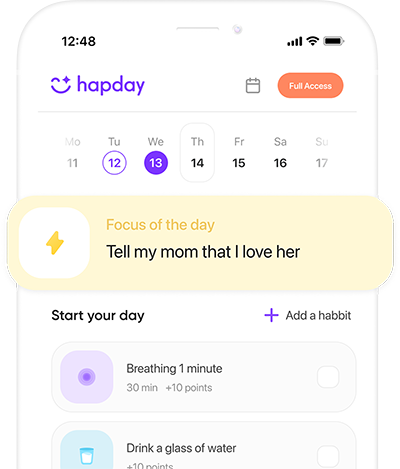
If meditating solo feels intimidating, think about using guided meditations. Platforms like Insight Timer or Calm offer sessions tailored to help you reach a peaceful state conducive to sleep. Another option is Hapday, embraced by over 3 million folks; it not only tracks mood and habits but also integrates evidence-based practices into nightly routines.
Techniques to Explore
Meditation isn’t a one-size-fits-all affair; there’s a technique for everyone, meeting various needs and preferences:
Mindfulness Meditation
Mindfulness invites you to focus on the here and now. A Harvard study noted reductions in insomnia symptoms following a mindfulness meditation program. Start with focusing on your breath, feel your chest rise and fall, and softly steer your thoughts back when they stray.
Body Scan Meditation
This method nudges you to mentally traverse your body, acknowledging and easing tension along the way. Think of it as a dialogue with your body, recognizing its presence and welcoming relaxation.
Visualization Meditation
This involves dreaming up tranquil scenes—a quiet forest, a serene beach, or a sunlit meadow. Visualization taps into your senses, helping you step away from daily strains. Imagine each wave on the beach taking your worries with it as it ebbs, leaving you more relaxed.
Why It Works
What gives meditation its potency in our modern, insomnia-plagued world?
“Meditation dials down activity in our brain’s ‘default mode network’—that persistent mental chatter linked to anxiety.”
— Dr. Emily Norton, Neuroscientist
The result? A clearer, quieter mind. Meditation also boosts melatonin—the hormone helping regulate our sleep cycles. Researchers at the University of Massachusetts Medical School found heightened melatonin levels in those practicing meditation regularly.
Integrating Meditation into Your Bedtime Routine
Consistent nightly rituals offer both comfort and effect. Here’s a skeletal framework:
Set a Consistent Schedule
As you do with brushing teeth, set aside time for meditating before bed. Regularity not only amplifies effects but signals to your body it’s time to shift from wakefulness to slumber.
Embrace Technology Wisely
While tech can be a mesmerizing distraction and blue light can suppress melatonin, it can also be an ally. Imagine it’s 2 a.m., your mind still abuzz—an AI coach like Hapday might help you navigate swirling stress, offering mindfulness exercises instead of scrolling or binge-watching.
Challenges and How to Overcome Them
We all know new habits come with their own hurdles. Your mind might resist the calm, or—embracing irony—you might drift to sleep mid-meditation. And guess what? That’s okay.
Accept the Wandering
Thoughts will intrude—allow them without judgment, then gently pull your attention back. Remember, meditation is all about practice, not perfection.
Combat Resistance with Curiosity
Try viewing meditation as a gift to yourself rather than a new task. Stay curious about the process, explore its purpose, and notice when resistance bubbles up.
Seek Support and Community
If going solo is tough, consider finding community. Online groups and classes provide shared journeys and encouragement—fortifying your resolve.
The Role of Meditation in Overall Sleep Health
Meditation extends beyond short-lived stress relief. With time, it nurtures a habit of mindfulness that can greatly enhance sleep quality. A 2017 meta-analysis in the journal Sleep pointed to how mindfulness practices improved sleep across diverse conditions.
Perhaps most liberating is meditation’s capacity to entwine with long-term stress and anxiety management—key culprits in insomnia. When stress feels overwhelming, platforms like Hapday can guide you through structured programs to cultivate mindfulness, helping lighten stress’s grip on your sleep.
Nurturing Yourself
Each person’s journey toward better sleep through meditation is unique. You may notice swift changes or witness a gradual evolution. Challenges may appear like uphill battles, but with patience and persistence, meditation might just become integral to your wellness, leading to more restful nights.
By weaving meditation into nightly routines, you’re not only improving the quality of your sleep but fostering a more mindful, balanced life. Those seeking guidance in building this transformative practice might find Hapday’s 24/7 AI coaching and bespoke programs invaluable. Swing by hapday.app to explore a new path toward restful nights.
The Bottom Line
Meditation can be a powerful tool for improving sleep quality and managing daily stress. By incorporating it into your nightly routine, you can cultivate a more peaceful state of mind, leading to restful nights and enhanced overall well-being.
References
- American Sleep Association
- JAMA Internal Medicine
- Harvard University
- University of Massachusetts Medical School
- Stanford University
- Sleep Journal