

Table of Contents
- Understanding Emotional Intelligence
- The Five Components of Emotional Intelligence
- The Tangible Benefits of Emotional Intelligence
- Developing Your Emotional Intelligence
- Emotional Intelligence in Action
- Conclusion
Key Takeaways
- Emotional Intelligence (EI) is the ability to perceive, evaluate, and manage emotions.
- The five components of EI include self-awareness, self-regulation, motivation, empathy, and social skills.
- High EI is linked to better mental health, improved professional success, and deeper personal relationships.
- Developing EI can be achieved through self-reflection, mindfulness, and engaging with others.
Understanding Emotional Intelligence
Back in 1990, researchers John D. Mayer and Peter Salovey coined the term emotional intelligence, pinpointing the ability to perceive, evaluate, and handle emotions—both yours and others’. Since then, EI has become key to deciphering human behavior. It shapes how we manage stress, develop social bonds, and nurture empathy.
“Emotional intelligence isn’t just recognizing your feelings. It’s about articulating emotions constructively, navigating life’s emotional rollercoasters with a touch of grace.”
— Dr. Sarah Chen, Clinical Psychologist, NYU
So, why has EI become such a buzzword? Our social natures crave meaningful interactions; emotional intelligence enables us to form impactful connections, make savvy choices grounded in emotional clarity, and upgrade our coping tactics amid life’s tempests.
The Five Components of Emotional Intelligence
1. Self-Awareness
EI’s essence—self-awareness—centers on knowing your emotions inside out. It’s about tuning into one’s moods, whether sunny or stormy, and grasping how they influence thinking and actions.
Consider Maya, 28, who used self-awareness as a lifeline through her divorce. Recognizing when sadness veered into self-blame, she curbed the harsh judgments. Studies, like one from Harvard Business Review, underscore that strong self-awareness leads to better decision-making and mental lucidity.
2. Self-Regulation
Being aware of emotions is just the starting point; next comes handling them. Self-regulation means staying composed under stress or conflict. It’s about skillfully navigating emotions, not bottling them up.
Picture receiving harsh feedback from your boss. Instead of a knee-jerk defensive reaction, self-regulation means processing feedback positively. Daniel Goleman, a leading voice in EI, notes that those good at self-regulation remain calm when the going gets tough—a trait pivotal for effective leadership.
3. Motivation
Beyond chasing rewards or dodging penalties, folks with high EI are driven by internal motivation—they pursue goals out of genuine passion. Maya found a new drive by rekindling her vocational passions after her divorce. People with intrinsic motivation report more joy and resilience, feeding into long-term success (Psychological Science).
4. Empathy
Empathy lets us feel what others feel—a cornerstone of EI. It’s about sliding into others’ shoes, strengthening connections. During the pandemic, empathy became vital in keeping bonds alive, even at a distance. A piece in the Journal of Positive Psychology linked high empathy with trust and meaningful feedback.
5. Social Skills
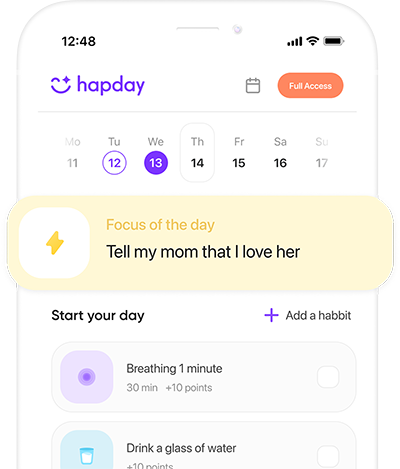
EI ultimately leads to adept social navigation. This involves communication, resolving conflict, and teamwork capabilities, all key for nurturing healthy relationships. Platforms like Hapday, used by millions, showcase social skill practices through mental health coaching and stress management tools, vital in intense scenarios.
The Tangible Benefits of Emotional Intelligence
Why cultivate EI? The perks, backed by ample studies, are both enticing and tangible. Individuals with high EI report less stress, more resilience, and healthier relationships. According to an American Psychological Association study, people with high EI face lower levels of stress and anxiety, contributing to better health and longer lives.
Improved Professional Life
EI has the power to revolutionize workplace dynamics. Employees with high EI shine in team settings and resolving disputes. TalentSmart research shows that a staggering 90% of top achievers possess high EI, underscoring its career advancement importance.
Deeper Personal Relationships
In personal terrains, EI nurtures better bonds. By managing emotions and empathizing, you forge deeper connections, whether with partners, friends, or family. Understanding and bolstering others’ emotional experiences lay the groundwork for trust-based bonds.
Better Mental Health
Mastering your emotional realm reduces stress and anxiety. Mindfulness, intertwined with EI, lowers cortisol levels and elevates mood. A University of California, Berkeley study found emotional intelligence training can ease depression and anxiety symptoms.
Developing Your Emotional Intelligence
Looking inward, you might wonder, “How does one expand their emotional intelligence?” Development entails nurturing self-awareness, cultivating empathy, and sharpening communication skills. Here’s a quick peek into pathways to amplify each EI facet.
- Practice Self-Reflection: Spot emotional triggers and pen down thoughts regularly. This nurtures self-awareness, shedding light on recurring emotional patterns.
- Engage in Mindfulness Meditation: Mindfulness bolsters self-regulation by creating space between feeling and reaction. Mindfulness-based stress reduction (MBSR) can heighten emotional stability and concentration (National Center for Complementary and Integrative Health).
- Self-Motivation Techniques: Pursue goals aligned with personal values. Frequently revisiting the ’why’ of these goals bolsters internal motivation.
- Develop Empathy: Tune into others, eager to grasp their perspectives. Empathy flourishes from genuine curiosity about those around you.
- Strengthen Communication Skills: Participate in clubs or groups that promote active engagement, offering a sandbox to practice feedback exchange and public speaking.
Picture it’s 2 a.m., and your mind races like a hamster on a wheel. Luckily, you don’t have to wait for a therapist’s appointment—platforms like Hapday bring evidence-based psychological techniques right to your fingertips whenever needed, providing the real-time support to grow your EI.
Emotional Intelligence in Action
Understanding EI is one thing; putting it into practice is another ball game. Take Lisa, a manager steering a tech startup. Renowned for her social prowess, she deftly resolves team conflicts, using empathy to sense when a colleague feels overwhelmed. By acknowledging emotions and steering discussions toward group solutions, she boosts team morale, crafting an innovation-friendly atmosphere.
In your life, EI might be pausing before reacting to a partner’s criticism, allowing space for contemplation and a thoughtful response. Or finding shared ground in conversations with opposing viewpoints.
Conclusion
Diving into emotional intelligence is like embarking on a journey to master emotions. With insight into what EI entails and how to cultivate it, you’re equipped to enrich both personal and professional realms through a nuanced understanding of emotions.
The Bottom Line
Implementing these strategies is a breeze with the right tools. Hapday (hapday.app) is an AI life coach trusted by over 3 million users, offering around-the-clock support to enhance emotional intelligence with evidence-backed programs. Welcome the chance to transform emotional experiences into a source of strength and resilience in every life facet.