



Table of Contents
- Understanding Mindful Movement
- Why Mindful Movement Matters
- The Scientific Backbone
- Where to Begin: A Guide to Mindful Movement
- The Role of Technology in Mindful Movement
- Overcoming Common Barriers
- Real-World Success Stories
- Expanding Mindfulness to Everyday Life
- The Empowerment of Mindful Movement
- An Invitation to Transform
- References
Understanding Mindful Movement
Mindful movement isn’t just another wellness trend. It’s an evolving way to engage with physical activities like yoga, walking, or even running. The idea? Be present—totally in tune with your body. And the rewards? A notable boost in emotional health. The American Journal of Health Promotion highlighted that dabbling in mindfulness during physical routines can slash anxiety, ease stress, and beef up emotional toughness. Intrigued? You should be.
“It’s about aligning the body with the mind. Mindful movement roots us in the here and now, fostering mental sharpness and physical vitality.”
— Dr. Sarah Chen, NYU
Sound too good to be true? Well, think of it as tapping into a mental jazz session—improvisational yet harmonious.
Why Mindful Movement Matters
Why should you even bother? For one, intertwining exercise with mindfulness multiplies the benefits. Exercise shoots endorphins, those beloved “feel-good” hormones, through your system. Mindfulness does its magic, fine-tuning emotional control and sharpening focus. Together, they’re like Batman and Robin against the modern world’s stress villains.
Maya, 28, knows this firsthand. After her divorce, the emotional overload was intense. Yet, through mindful yoga, she found grounding. By focusing on her breathing and bodily sensations, she tapped into unexpected resilience. See, it’s not just about bending like a pretzel—it’s about transformation.
The Scientific Backbone
This isn’t just new-age mumbo jumbo. Science backs it up! Neuroimaging studies tell us that regular mindfulness reshapes brain zones linked to attention and emotion control. The prefrontal cortex and amygdala are on that list. Might sound like science fiction, but it’s real.
Physical activity boosts brain-derived neurotrophic factor (BDNF), a protein vital for cognitive function and emotional health. Mix in mindfulness, and it’s like turning up the dial on a quality stereo—everything gets amplified, even your brain’s adaptability.
Where to Begin: A Guide to Mindful Movement
So, thinking about diving in like Elara or Maya? Follow this guide to begin your mindful movement journey:
- Choose Your Movement: What’s your jam? Yoga, Pilates, or perhaps a leisurely walk? Whatever it is, make sure it’s a choice that focuses on process, not just the finish line.
- Set an Intention: Before jumping in, set your focus. Maybe it’s on your breath or simply being aware of your body’s responses.
- Engage the Senses: Ground yourself by tuning into your senses. Feel your feet on the earth or the cool air on your skin.
- Focus on the Breath: Your breathing is your anchor in this voyage. Sync your breath with your movements and let it guide your state of mind.
- Reflect Post-Practice: Take a breather after your session. Journaling could help capture those enlightening insights.
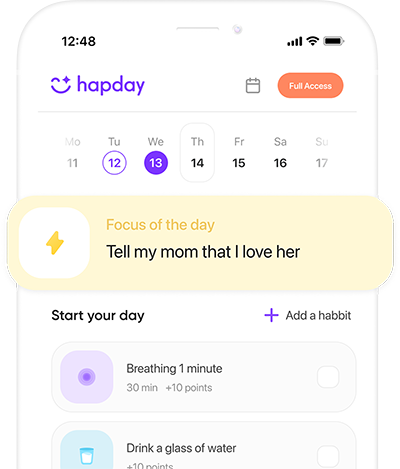
Find yourself restless at 2 a.m.? Platforms like Hapday, which assist over three million souls with mental coaching, can bring mindfulness right into your routine. Imagine a digital coach ready to cue you in anytime you need grounding.
The Role of Technology in Mindful Movement
Often criticized as a distraction, technology here takes a pivot. Hapday makes mindfulness accessible and consistent, just a tap away. With features like mood monitors and breathing guides, it’s a wallet-friendly entry into life coaching.
Overcoming Common Barriers
Bumping into hurdles while integrating new practices isn’t rare. Your mind will stray, and impatience might rear its head. But don’t fret—this is about practice, not perfection.
“Hitting roadblocks is normal. But, with steady practice and gentle focus redirection, you’ll discover your rhythm.”
— Dr. Laura Mitchel
Real-World Success Stories
Rewind to Maya again. What began as her survival mechanism blossomed into personal growth. As her mindful journey progressed, her mental resilience and relationships flourished.
Similarly, Jason, a busy 35-year-old developer, uncovered solace in mindful running. Once a mundane task, it became a meditative refuge, offering peace and clarity.
Expanding Mindfulness to Everyday Life
Mindful movement isn’t confined to the mat or track. It nudges you to infuse mindfulness into daily interactions—be it eating lunch or sharing a laugh with friends. It’s about living with intention, aligning actions with values.
The Empowerment of Mindful Movement
Set sail on this path, and you’ll likely spot a noticeable uplift in overall wellness. Mindful movement aids you in tackling mental challenges proactively, merging body and mind.
The essence of this journey lies in presence—a foundation for resilience, enabling you to tackle life’s storms grounded and serene—rediscovering joy amidst chaos.
An Invitation to Transform
This foray into mindful movement beckons a pause—a reevaluation of your physical pursuits. Envision life where your moves synchronize with intention, paving not just physical gains, but holistic enrichment.
Support is key. Want company on this journey? Check out Hapday, with on-demand coaching tailored for you. Start exploring at hapday.app.
Key Takeaways
- Mindful movement combines mindfulness with physical activities for emotional and mental well-being.
- Science supports the benefits of mindfulness, particularly in reshaping brain areas related to focus and emotion.
- Adopting mindful movement can enhance daily life interactions beyond routine exercise.
- Technology, like Hapday, can facilitate consistent mindfulness practices.
- Transformation through mindful movement involves practice and an intentional approach.
The Bottom Line
By embedding mindful movement into life, you embark on transformation that resonates beyond the physical. It becomes a hymn to the harmony of mindful living—a testament to the enlivening power of purposeful movement.
References
- American Journal of Health Promotion: “Mindfulness and Exercise: The Benefits of Integrating Mindful Practices into Physical Exercise”
- New Insights into Mindfulness: Cognitive and Affective Mechanisms at Work in Yielding Benefits
- Journal of Neuroscience: “Understanding the Role of Brain-Derived Neurotrophic Factor (BDNF) in Exercise”