



Wow—those who have to deal with both, especially if you’re a Gen Z or millennial woman, know it’s like fighting two battles on several fronts. You already have a lot on your plate, right? These two conditions, though different—yep, they’re often intertwined. And trust me, it complicates things more than ever. A study in the Journal of Attention Disorders even says about 25% to 40% of folks with ADHD also wrestle with some form of anxiety disorder. Let’s dig into how you can manage this intertwined chaos and, hopefully, improve life a little bit.
Table of Contents
- Understanding Anxiety and ADHD
- The Overlapping Symptoms
- Strategies for Tackling Anxiety and ADHD
- Healthy Lifestyle Practices
- Professional Support
- Tracking Progress
- Conclusion
Understanding Anxiety and ADHD
Anxiety—the usual suspect—brings along its awesome friends: excessive worry, nervousness, and fear. You might even be familiar with its variations: generalized anxiety disorder (GAD), panic disorder, social anxiety… the whole graded scale of anxiety rockstars. Think restlessness, fatigue—oh, and forget about concentrating when your mind is tangled with it all. Fun times, right?
And then there’s ADHD—Attention-Deficit/Hyperactivity Disorder. It’s like having a radio on in your head with a new song every minute. Persistent patterns of inattention, hyperactivity, impulsivity… yeah, it’s a party. You might find yourself often losing your keys (again), forgetting that appointment for the hundredth time, or living in a permanent state of “Wait, what was I supposed to do again?”
The Overlapping Symptoms
So, these two like to gang up on you? Yep, overlapping symptoms make it trickier to diagnose and tackle:
- Difficulty Concentrating: It’s like your brain wants to stare at blank walls while chaos plays around—but louder.
- Restlessness: Similar to ants in your pants. Anxiety and the hyperactivity of ADHD have that in common.
- Irritability: Seriously, even your mood’s moodier.
Spotting these overlapping sides can be your first step towards a management plan that actually helps.
Strategies for Tackling Anxiety and ADHD
1. Cognitive Behavioral Therapy (CBT)
You’ve probably heard of CBT by now. It’s a keeper—a therapy that changes negative thought loops, improves how you handle emotions, and teaches coping strategies. The Journal of Anxiety Disorders places CBT as an effective method to cut down on anxiety symptoms, especially when it pairs up with ADHD.
2. Mindfulness Meditation
Mindfulness—can we ever get enough of talking about it? It’s got magic powers… really. A study published in Mindfulness says it can help in managing anxiety and boosting focus among those with ADHD. Just give it 10-15 minutes daily with some deep breathing, and let that calm sink in.
3. Medication
Stimulants like Adderall or Ritalin for ADHD. SSRIs or SNRIs like Zoloft and Effexor for anxiety. Chat with your healthcare provider to sort out medications—or a combo—that suits your needs. And monitor those side effects. No one wants surprises here!
4. Exercise
Endorphins anyone? Exercise isn’t just good for the body. It’s the soul’s mood elevator too. Spend 20-30 minutes in brisk walking or any activity you enjoy. The Anxiety and Depression Association of America will back me up on this: it spikes better moods and calms anxiety.
5. Structured Routine
Setting a routine can be like handmade armor against ADHD disorganization and anxiety. Block time for meals, work, exercise, even mindless Netflix binging if it keeps you on track and de-stressed.
Healthy Lifestyle Practices
Diet
Yep, food’s your friend—or foe. Omega-3, whole grains, fruits, veggies, all those healthy goodies support your brain. But excess sugar and caffeine? They’ll only make ADHD and anxiety worse.
Sleep Hygiene
Getting a good night’s zzz’s is like hitting the reset button. Regular schedules, comfy environments, ditching screens before bed will work wonders. Lack of sleep doesn’t just make us groggy; it worsens ADHD and anxiety symptoms.
Social Support
Having your tribe can do wonders for the soul. Share experiences, strategies, and be with those who know your struggles. Support groups or communities can be lifesavers when the going gets tough.
Professional Support
Don’t shy away from pro support. Mental health pros with ADHD/anxiety expertise have insights and techniques you would never stumble on alone. Keep those check-ins frequent—they make adjustments meaningful and timely.
Tracking Progress
A journal can be more than just a diary. Jotting down symptoms and reflections can highlight patterns or improvements you might have missed otherwise. And hey, it’s pretty satisfying seeing growth over time, right?
Conclusion
Wrestling with anxiety and ADHD calls for thoughtful approaches—therapy, lifestyle tweaks, maybe some meds. It’s about understanding each condition’s uniqueness and finding that sweet spot where they merge. While it might not be an overnight fix, it’s a journey. Hey, others have traveled the same path and come out stronger. You’re in good company.
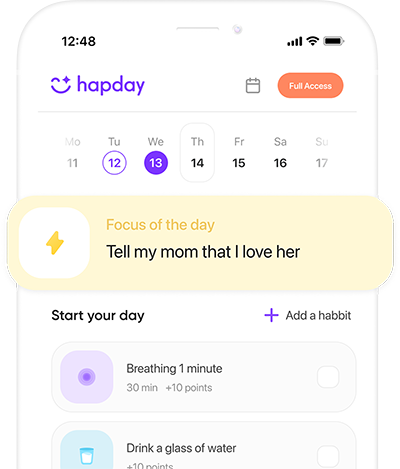
Incorporating these strategies, you embrace control over your mental wellbeing. Want to deep dive into tailored support and resources for managing anxiety with ADHD? Consider checking out what Hapday has to offer. They’ve got some impressive resources lined up just for you.
Explore personalized help and take that next step with Hapday—because you’re totally worth this journey.