


Table of Contents
- What is Childhood Trauma?
- How Does Childhood Trauma Affect the Brain?
- Psychological Effects of Childhood Trauma
- Emotional Dysregulation
- Difficulty in Forming Relationships
- Increased Risk of Mental Health Disorders
- The Cycle of Trauma: Intergenerational Effects
- Pathways to Healing
- Educating and Empowering Yourself
- Conclusion
Alright, let’s dive into a topic that somehow seems to come up in therapy sessions and casual conversations alike—childhood trauma. It’s more than just a scar that fades away; it’s an emotional wound that can stick around for quite a while, sometimes whispering into our adult lives and subtly messing with our mental health, relationships, and everyday functioning. So how do we start unpacking it all? That’s what this article is all about—looking at the psychological angles, the long-term effects, and offering a few pathways for healing. Stick with me.
What is Childhood Trauma?
Let’s rewind to when we were all knee-high to a grasshopper. Childhood trauma—those pesky adverse experiences during our formative years. It’s not just about physical or emotional abuse, though those are biggies. Neglect and watching horrible things unfold can also leave a mark. According to the National Child Traumatic Stress Network, more than two-thirds of kiddos report at least one traumatic event before they hit sweet 16. Pretty wild, right? These experiences can turn a kid’s sense of security topsy-turvy, leaving behind emotional residue that can last a lifetime.
How Does Childhood Trauma Affect the Brain?
The childhood brain is like this weird yet magnificent sponge, constantly absorbing and adapting based on its surroundings. Throw trauma into the mix and boom—you’ve got changes in how the brain structures itself. There’s some geeky science behind this, with MRI studies showing that childhood trauma can warp areas like the prefrontal cortex and amygdala—important regions for emotional regulation and handling fear (Teicher et al., 2016 if you’re curious).
Another curious study, which you can find in The Journal of Child Psychology and Psychiatry, pointed out that these brain changes might churn up difficulties when it comes to keeping emotions in check, potentially ramping up risks for anxiety, depression, and other mental health issues (Shoutout to McLaughlin et al., 2014).
Psychological Effects of Childhood Trauma
Emotional Dysregulation
Have you ever felt like your emotions had a mind of their own? That’s emotional dysregulation for you, often a lingering side effect of trauma. Kids and grown-ups caught in its grip might find themselves swept away by mood swings, anger fits, and stress spirals.
Difficulty in Forming Relationships
Here’s the kicker—attachment theory suggests those early bonds with caregivers shape our future connections. Now, toss childhood trauma into the mix and watch as it disrupts normal attachment processes, leading to hurdles in forming solid, trusting relationships as adults.
Increased Risk of Mental Health Disorders
Brace yourself, because research solidly ties childhood trauma with mental health challenges later on. An analysis by The Lancet Psychiatry flagged it as a major predictor of conditions like PTSD, depression, and anxiety disorders (Danese & Baldwin, 2017). Ugh, thanks for nothing, trauma.
The Cycle of Trauma: Intergenerational Effects
Trauma isn’t content with just one victim—it can spill across generations. Unresolved trauma from parents can trickle down, affecting their parenting styles. Kids stuck in this vortex may grapple with secondary trauma—thus perpetuating a relentless cycle. Want a way out? Recognition and therapy, my friends. Therapy’s the real MVP here, offering a shot at healing and paving the way for healthier generations to come.
Pathways to Healing
Therapy and Counseling
If therapy had a fan club, I’d be the president. Seriously though, therapy gives you that sacred space to sift through trauma and pick up coping tricks. Cognitive Behavioral Therapy (CBT) and Eye Movement Desensitization and Reprocessing (EMDR) have both waved pompoms in successful cases, helping people rewire negative thought patterns and melt away trauma-related stress.
Mindfulness and Meditation
Mindfulness, anyone? Sprinkle it into your routine, and you might find those trauma symptoms slowly backing off. A study in the Journal of Traumatic Stress spotlighted how mindfulness-based interventions really clamped down on PTSD symptoms (King et al., 2013). Deep breathing and meditation are the dynamic duo for grounding you in the present, easing anxiety and stress along the way.
Building Supportive Relationships
Lastly, do not underestimate a strong support network. Whether it’s family, steadfast friends, or a support group, having people around who just “get it” can be incredibly reassuring. Sharing tales and woes with others who’ve traveled similar paths can be super validating and downright healing.
Educating and Empowering Yourself
Armor up with understanding, because knowledge truly is power. Dive into books, attend workshops, or browse online resources—all stepping stones towards grasping the nuances of childhood trauma. This newfound insight can nudge you towards self-compassion and redefine how you view your trauma weaponizing against you.
Conclusion
Childhood trauma can be an immense shadow, looming large, but wield the right tools and knowledge, and healing becomes more than possible. Embracing its psychological ramifications is step one on your quest to recovery. Acknowledge the pain, seek help when needed, and remember—your past might be weighty, but your future is not set in stone. The path to recovery is right there for the taking.
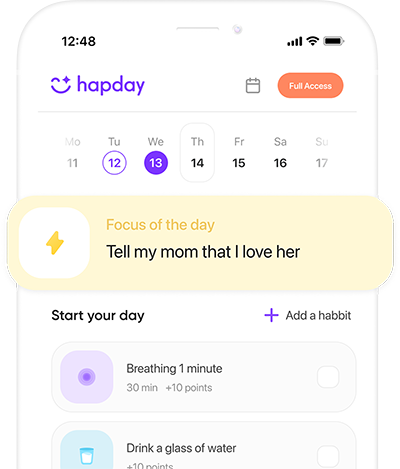
Begin paving your healing journey today. Download the Hapday app for practical tools and resources, and get started now.