



Alright, let’s dive into this! In a world that’s always on fast forward, dealing with stress is, frankly, something we all grapple with—especially those living with ADHD. But hey, don’t lose hope. Mindful meditation is the hero we didn’t know we needed. It’s stepping up as a key strategy for stress relief, and it’s not just all fluff. We’re talking real impact here: better focus, less impulsivity, and a sense of calm. So, stay with me as we explore these mindful meditation tips tailored specifically for folks with ADHD. Yes, there’s scientific backup to all this!
Table of Contents
- Understanding ADHD and Stress
- The Role of Mindful Meditation in ADHD
- Tips for Practicing Mindful Meditation for ADHD
- Benefits of Mindful Meditation for ADHD Stress Management
- Overcoming Challenges in Mindful Meditation for ADHD
- Conclusion
- References
Understanding ADHD and Stress
You know, ADHD is no small potatoes. Apparently, it affects 4-5% of adults around the globe. Symptoms? Think inattention, hyperactivity, impulsivity… the whole shebang. These tend to crank up stress levels, which isn’t exactly great for mental health. The American Psychiatric Association points out that people with ADHD could have heightened stress due to the emotional roller coasters and organizing challenges. Really, who could blame them?
The Role of Mindful Meditation in ADHD
So, what’s this mindful meditation thing all about? In essence, it involves staying present, acknowledging thoughts without judgment, and letting them drift by, kind of like clouds. I came across a study in the Journal of Attention Disorders. They say this practice can seriously dial down ADHD symptoms and tamp down stress. Meditation, essentially, builds a mental moat against stress.
Tips for Practicing Mindful Meditation for ADHD
Start Small and Simple
Easy does it! Begin with bite-sized sessions… try just 5 minutes a day. There are apps for this, you know, like Calm or Headspace. They can make meditation more manageable. Slowly stretch those minutes as you get comfy.
Create a Consistent Routine
This one’s kinda non-negotiable. Consistency is your best pal here. Set a fixed time—morning, evening, doesn’t matter—and stick to it. This turns mindfulness into a routine endeavor, paving the way for deeper meditation experiences as time goes by.
Focus on Breathing
Breathwork is the cornerstone of meditation. Deep in through the nose… out through the mouth. It anchors your mind, quieting wandering thoughts. There’s research from the University of Massachusetts Medical School backing this. They say mindful breathing does wonders for attention and stress reduction. Whoa, right?
Use Visual and Auditory Aids
If you’re like me and need a little extra help focusing, audio and visual elements can spruce up your meditation game. Calming tunes, nature sounds—pure magic. A study in NeuroImage even suggests that these aids boost attention during meditation.
Practice Body Scans
Body scans, ever hear of ’em? You focus on each body part, one at a time. Start with your toes and work up to your head. Notice sensations? This doesn’t just build bodily awareness; it doubles down on relaxation and stress release.
Incorporate Movement
Sitting still isn’t for everyone. So why not shift gears with movement-based mindfulness like yoga or Tai Chi? They pair physical movement with mindful breathing, which can be a lifesaver for managing ADHD symptoms and stress.
Benefits of Mindful Meditation for ADHD Stress Management
Improved Focus and Attention
First off, it boosts focus. By nudging your mind back to the moment, meditation makes you more attentive. Psychological Medicine did a meta-analysis… meditation’s a solid bet for improving attention and cognitive flexibility. Cheers to that!
Emotional Regulation
Meditation also tames emotional reactions to stress. It’s like having a superpower to recognize triggers and not act impulsively.
Reduced Anxiety and Depression
Let’s be honest—ADHD often buddies up with anxiety and depression. Regular meditation nips these symptoms in the bud. Look, a study in JAMA Internal Medicine backs me up here—mindfulness meditation does a number on anxiety and mood, in a good way.
Enhanced Sleep Quality
If sleep’s been a thorn in your side, meditation calms those racing thoughts. Better sleep awaits. The Journal of Clinical Sleep Medicine published some research saying meditation can improve sleep patterns. If you’re dealing with ADHD and insomnia, this is for you.
Overcoming Challenges in Mindful Meditation for ADHD
Handling Restlessness
Restlessness? Yup, been there. Approach it like a passing cloud, not a monster. Acknowledge it, then gently refocus on your breath.
Dealing with Distracting Thoughts
Those pesky thoughts, right? Instead of fighting ’em, let ’em go without a fight. Mantras or affirmations can nudge your focus back.
Maintaining Motivation
Yeah, keeping up with meditation’s no cakewalk. Aim for goals that are doable, track your progress, and high-five those small wins. They’ll keep you motivated and deepen your mindfulness habit.
Conclusion
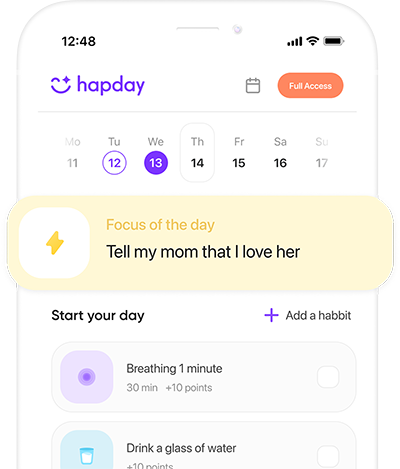
Look, mindful meditation is transformative, especially if you’re grappling with ADHD and stress. Infuse mindfulness into your routines. You’ll likely see yourself more focused, emotionally steady, and way less stressed. Stick with it and uncover the incredible impact it has on your life. If you’re seeking extra guidance, check out resources like Hapday. Explore how Hapday can elevate your meditation journey.
References
- American Psychiatric Association. (2013). Diagnostic and Statistical Manual of Mental Disorders (5th ed.).
- Lofthouse, N., Arnold, L. E., Hersch, S., Hurt, E., & Bates, B. (2008). A review of neurofeedback treatment for pediatric ADHD. Journal of Attention Disorders, 11(5), 524-539.
- Zeidan, F., Johnson, S. K., Diamond, B. J., David, Z., & Goolkasian, P. (2010). Mindfulness meditation improves cognition: Evidence of brief mental training. Consciousness and Cognition, 19(2), 597-605.
- Grossman, P., Niemann, L., Schmidt, S., & Walach, H. (2004). Mindfulness-based stress reduction and health benefits. Journal of Psychosomatic Research, 57(1), 35-43.
- Black, D. S., & Slavich, G. M. (2016). Mindfulness meditation and the immune system: A systematic review of randomized controlled trials. Annals of the New York Academy of Sciences, 1373(1), 13-24.