



Table of Contents
- Unpacking Mental Fatigue
- What Brings It On?
- Spotting the Signs
- Fast Fixes to the Rescue
- Strategies for the Long Game
- Wrapping Up
Unpacking Mental Fatigue
So, here’s the deal: mental fatigue is when your brain feels like it’s run a marathon—exhausted, and just not operating at full speed. This is what happens when your brain is overworked or stressed out for too long. Get this: it’s not like physical fatigue. Sometimes, even catching those coveted eight hours won’t fix it. You’ll often feel worn out, easily annoyed, and struggle to concentrate.
What Brings It On?
There are a bunch of culprits behind mental fatigue:
- Non-stop Thinking: Dive into mentally taxing tasks for too long and your brain starts feeling like mush.
- Chronic Stress: Living with stress on repeat—with no pause button—will definitely deplete your mental reserves.
- Lousy Sleep: Just one rough night’s sleep can mess with your mind.
Spotting the Signs
Being able to recognize mental fatigue is your first line of defense. What should you be on the lookout for?
- Scatterbrained Thinking: You can’t lock your attention on anything? Yep, that’s a red flag.
- Snapping Easier: Ever notice you’re a bit more touchy than usual?
- Productivity Tanking: When even ticking off that to-do list feels impossible.
Fast Fixes to the Rescue
Don’t worry—there are plenty of quick fixes for mental fatigue, and they aren’t just based on old wives’ tales. Scientific studies actually support them.
1. Try Mindfulness Meditation
Mindfulness meditation is like a spa day for your brain. A study in JAMA Internal Medicine backs this up, stating how it enhances attention and cognitive functions.
Get Started: Carve out 5–10 minutes, find a cozy spot, close those eyes, and focus on breathing. If your mind decides to wander, simply pull it back.
2. Make Time for Breaks
Research from the journal Ergonomics shows that regular breaks can actually boost mental performance—no kidding! The Pomodoro Technique works wonders; that’s 25 minutes on, 5 minutes off.
Put it into Practice: Weave little breaks into your work routine. Use them to stretch, take a walk, or just to shut your eyes for a moment. Trust me, it helps.
3. Keep Hydrated
It’s crazy how just being a tad dehydrated can leave you feeling utterly done in. The Journal of Nutrition notes that even slight dehydration can mess with concentration.
Quick Tip: Keep a trusty water bottle within arm’s reach. Aim for eight glasses a day—just like your mom always told you.
4. Change Up Your Environment
Your surroundings make a bigger impact than you’d think. According to the Journal of Environmental Psychology, being around nature can actually recharge your brain.
Simple Tweaks: Brighten up your workspace, clear away the clutter, and if possible, add a few plants or a glimpse of the outdoors.
5. Move Your Body
Exercise isn’t just for your body—it fuels your brain too. The British Journal of Sports Medicine highlights its positive effects on mood and brainpower.
Easy Moves: Slip in a brisk walk or a quick workout session—it can clear the mental cobwebs and lift your spirit.
6. Tune Into Music
Music isn’t just entertainment; it’s therapy! The Journal of Music Therapy found it reduces stress and sharpens mental function.
Mix It Up: Create a playlist of tunes that either calm or energize you. Listen during breaks or when your brain feels like it’s running on empty.
7. Breathe Deeply
You’d be surprised at how much deep breathing can do for stress relief. A study in the Journal of Clinical Psychology found that it boosts mood and focus.
Try This: Experiment with the 4-7-8 technique—inhale for 4 seconds, hold for 7, and slowly exhale for 8. Repeat… feel the calmness set in?
Strategies for the Long Game
Quick solutions are great, but thinking long-term is essential.
- Sleep Like You Mean It: Regular sleep routines go a long way toward feeling more like yourself.
- Manage Your Time: Tight schedules can prevent overload—trust me on this one.
- Connect with Others: Social interactions can relieve stress and provide support.
Wrapping Up
Mental fatigue may feel like an unavoidable part of modern life, but it’s far from unbeatable. Spotting your personal warning signs and having a go-to bag of tricks can help you keep mental exhaustion in check.
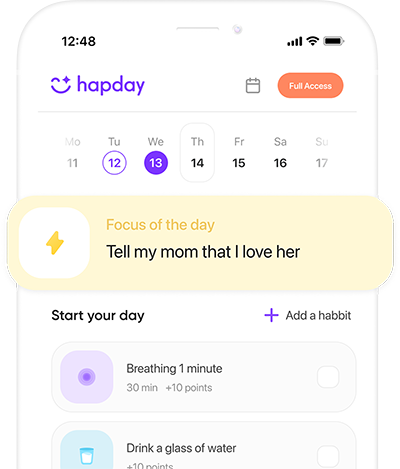
Take steps today by incorporating quick relief tactics like meditation, breaks, hydration, and music into your routine. To maintain these improvements, focus on long-term solutions like a solid sleep schedule and time management. Looking for more guidance tailored to your needs, don’t miss out on exploring Hapday as a resource to enhance your mental well-being. Take charge and nurture your mind—because you deserve it.