



Table of Contents
- Understanding the Role of a Mental Health Coach
- Key Benefits of Working with a Mental Health Coach
- How to Choose a Qualified Mental Health Coach
- The Future of Mental Health Coaching
Understanding the Role of a Mental Health Coach
Picture a mental health coach as a sort of guide. They’re trained pros, helping folks achieve a sense of mental well-being through things like goal-setting and personal growth. They won’t diagnose or treat mental illnesses, though — that’s the job for therapists. Instead, imagine them as someone who navigates alongside you through life’s ups and downs, building emotional resilience and sparking personal and professional transformations. The National Board for Health & Wellness Coaching — a reliable name in the field, trust me — says these coaches help manage stress, balance work and life, and promote healthier habits, offering a nice supplement to traditional mental health services.
Key Benefits of Working with a Mental Health Coach
1. Personalized Goal Setting and Accountability
Let’s chat about why these coaches are so beneficial. One major plus is how they help you set and hit personalized goals. Ever sat through a one-on-one session? These geniuses help pinpoint what you need to focus on and how to keep the fire burning inside you. Makes sticking to your goals much easier, doesn’t it? Back in 2015, a paper in the Journal of Consulting and Clinical Psychology mentioned that folks with regular coaching sessions met their goals way more often than those without that structured push.
2. Developing Resilience and Coping Strategies
But that’s not all. Building resilience, learning coping tools — these are lifelines. Mental health coaches dive into enhancing emotional intelligence, wrestling with stress, and polishing up problem-solving skills during coaching seshes. The Journal of Happiness Studies — no joke, that’s a real publication — found resilience training perks up mental health and satisfaction with life.
These coaches fill your tool kit with all sorts of handy tools, like mindfulness exercises or relaxation practices, giving you the edge to tackle life’s hurdles.
3. Enhancing Self-awareness and Emotional Intelligence
Self-awareness and emotional intelligence? Yep, they’re super important for personal growth. Coaching nudges these qualities along by encouraging self-reflection and mindfulness. You’re likely to get better at understanding and managing those waves of emotions, which in turn boosts relationships. Isn’t that what we all want? Emotion, an American Psychological Association journal, states that folks with high emotional intelligence generally enjoy better mental health. Coaches are the unsung heroes aiding in honing these skills.
4. Improving Work-Life Balance
Then there’s the never-ending juggle of work and life. Mental health coaches step in to identify those stress-makers and suggest ways to reach that elusive balance. They guide on setting boundaries, juggling tasks, and not letting time slip away. The American Psychological Association tells us that a whopping 65% of Americans see work as a key stress driver… who’d have guessed?
5. Support for Lifestyle Changes
And finally, making lifestyle changes becomes so much more manageable with these coaches by your side. Whether you’re trying to pick up healthier habits or kick procrastination to the curb, they dish out practical advice and cheer you on all the way. The International Journal of Wellbeing highlights that coaching really boosts life satisfaction and overall well-being. Convinced yet of their impact?
How to Choose a Qualified Mental Health Coach
Picking the right mental health coach is half the battle won. Aim for those certified by recognized bodies like the International Coach Federation or NBHWC. These badges mean they’ve gone through the wringer with training and stand by professional yardsticks. Poke around for recommendations, check reviews, and most importantly, chat with them first to feel the vibe.
The Future of Mental Health Coaching
Mental health awareness is only climbing from here, meaning more folks will seek out mental health coaches. According to Research and Markets, the global wellness coaching arena was pegged at USD 7.3 billion in 2020, projected to hit USD 14.2 billion by 2026. That says a lot about the rising acceptance and need for such services.
In summing things up, mental health coaches carve out a distinct and effective path towards better mental well-being. They help people set personalized goals and cultivate resilience, all while polishing emotional intelligence. If personal growth is what you’re seeking, then maybe — just maybe — a mental health coach is the nudge you need.
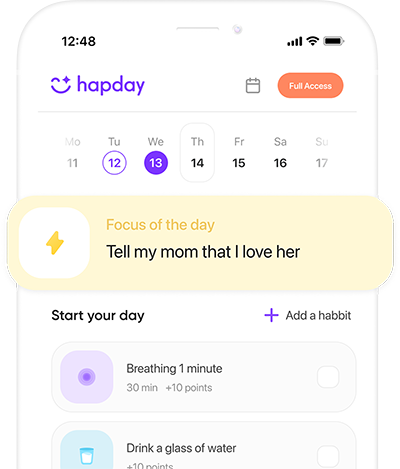
Hey, and if you’re eager to explore coaching options, give Hapday a look. They offer tailored support and guidance, right where you need it!