



Procrastination—ugh, we’ve all been there, right? Especially for Gen Z and Millennial women, who are constantly spinning multiple plates between work, relationships, and personal passions. It’s like, where does the time go? Putting off tasks can snowball into stress, a drop in productivity, and that whole guilt trip of feeling like you can’t keep up. But here’s some good news: mindful journaling can be a game-changer. By boosting self-awareness and fine-tuning how we manage our time, it offers a lifeline out of the procrastination trap. Let’s dive into the why and how of it.
Table of Contents
- Understanding Procrastination
- The Role of Mindfulness in Combatting Procrastination
- Why Journaling?
- Mindful Journaling Techniques to Beat Procrastination
- Tips for Effective Mindful Journaling
- Conclusion
- References
Understanding Procrastination
You might think procrastination is just about poor time management—but it’s way deeper. It’s often tangled up with how we deal with emotions, which might surprise you. Back in 2015, a study in the Journal of Counseling Psychology pointed out that procrastination is tied to stress and emotional handling. Fear of failure, perfectionism, self-doubt, or even jitters over tackling a task—these are the real culprits behind putting things off. Get a grip on these root causes, and you’re on your way to mastering procrastination.
The Role of Mindfulness in Combatting Procrastination
Mindfulness, at its core, is about embracing the present moment with open arms, minus any judgment. Turns out, it’s pretty effective against procrastination. The Journal of Experimental Psychology (2016) highlighted that folks with a strong mindfulness game were less likely to procrastinate. How? By helping you keep those runaway emotions in check, sharpening your focus, and cutting off those pesky negative thoughts that keep you from getting stuff done.
Why Journaling?
Think of journaling as your mindfulness buddy. It’s like a mini counseling session with yourself—getting to the heart of your thoughts and feelings while keeping you motivated. Writing stirs the brain in ways other actions don’t, grounding your intentions and next steps. A piece in Psychological Science shared that putting pen to paper might ease anxiety and stress, all of which makes journaling a great ally in your fight against procrastination.
Mindful Journaling Techniques to Beat Procrastination
- Daily Intention Setting
Kick off each morning by scribbling down clear, doable goals. What are your must-dos for the day? Keep ’em realistic to dodge getting overloaded. This sets a focused vibe for your day, turning chaos into a manageable checklist. Who doesn’t crave that?
- The “5-Minute Rule” Journal
Here’s a trick: dedicate just five minutes to a task you dread. Write about why you’re dodging it and make a pact to start, just for a bit. You’ll often find that’s enough to break the ice. Pen down what you felt before and after the task—to see firsthand the power of just starting.
- Overcoming Negative Self-Talk
That inner critic? Let your journal be where it shuts up. Jot down those self-doubts and then flip them with some pumped-up affirmations. This practice is about flipping the script, moving from anxiety to action.
- Reflective Journaling
Wrap up your day by reflecting on what you’ve ticked off. Document what worked, what flopped, and how you felt about it all. It’s a victory lap in writing form—and yes, it really can boost your motivation moving forward.
- Gratitude Journaling
Adding in a dash of gratitude—trust me—is powerful stuff. Each day, jot down things you’re thankful for. It shifts your gaze from stress to positivity, making you’re more energized to tackle pesky tasks head-on.
Tips for Effective Mindful Journaling
- Consistency is Key: Aim to journal daily. Even a snippet counts. Habit equals results, after all.
- Focus on Process, Not Perfection: This isn’t English class—mistakes are welcome. Journaling is about reflection and growth, not getting a gold star for neatness.
- Be Honest with Yourself: You’re your own best confidant. Open up without judging yourself; you’ll uncover gold.
- Use Prompts if Needed: Feeling a mental block? Prompts related to procrastination or emotional hurdles can help get the words flowing.
Conclusion
Getting a handle on procrastination means digging into its psychological depths and using the right tools to tackle it. Mindful journaling—backed by research and personal growth anecdotes—can reshape your habits by fostering self-awareness and streamlining thoughts. By weaving these journaling practices into your life, better time management, less stress, and ramped-up productivity are well within reach.
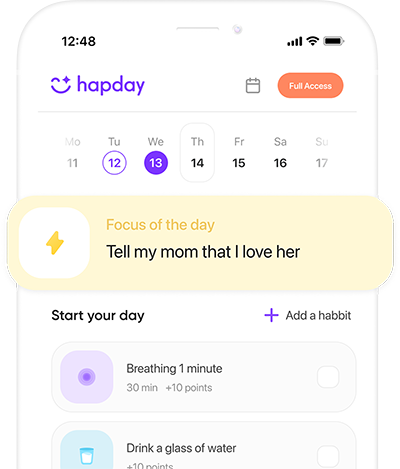
So, ready to turn the page on procrastination? Dive into mindful journaling now. And for those seeking an extra nudge towards personal progress, check out Hapday here for even more tools on your journey.
References
- Journal of Counseling Psychology (2015). Procrastination and Emotional Regulation: A Meta-Analytic Review.
- Journal of Experimental Psychology (2016). The Relation Between Mindfulness and Procrastination: A Longitudinal Study.
- Psychological Science (2014). The Pen is Mightier Than the Keyboard: Advantages of Longhand Over Laptop Note Taking.