


Alright, let’s dive in. Depression—it’s a heavy hitter in the arena of mental health, impacting millions all around the globe. According to—who else—the World Health Organization, there are more than 280 million folks grappling with this shadow. And here’s the kicker: Gen Z and Millennials seem to be in the crosshairs, with studies hinting at escalating depression rates among them. Sound familiar to you or someone you know? Understanding depression help, with strategies to help lift that weight, can be a game-changer for anyone hunting for solid, science-backed self-help options. It’s about getting it, not just reading it.
Table of Contents
- Understanding Depression
- The Importance of Seeking Help
- Key Strategies for Depression Help
- Additional Considerations
- Where to Find Help
- Conclusion
Understanding Depression
Now, depression—it’s way more than just feeling down or coming off a lousy day. Nope. This mood disorder is serious business, marked by stubborn sadness, a lack of joy in stuff you used to love, and yes, the annoying changes in appetite and sleep. Ever find it hard to focus? Yep, that too. According to those brainy folks at the National Institute of Mental Health, depression can spring from a messy mix of genetics, biology, environment, and psychological jazz. Sound complicated? It is.
The Importance of Seeking Help
Why’s it crucial to ask for help? Without it, depression can lead you down some dark paths—impaired daily functioning, substance abuse, and, scarily, suicidal thoughts. Research shared by JAMA Psychiatry reveals that those without treatment are more likely to face other issues, weighed down by a diminished quality of life. And while we’ve come a long way in reducing mental health stigma, we must still champion the shout-out for professional help. Seriously, who wouldn’t want a hand in sorting things out?
Key Strategies for Depression Help
1. Psychotherapy
Let’s talk about psychotherapy. Or as some call it, talk therapy. Think of it as a cornerstone in depression treatment. Ever heard of Cognitive Behavioral Therapy (CBT)? It’s a rockstar here, aiming to switch up those negative thought cycles and behaviors. A meta-analysis in the American Journal of Psychiatry—a fancy way of saying they reviewed a ton of studies—showed CBT works wonders for depression, especially when married with meds.
2. Medication
Antidepressants—they’re not magic pills but they can tweak brain neurotransmitters like serotonin, giving your mood a gentle nudge upwards. Commonly, docs dish out Selective Serotonin Reuptake Inhibitors (SSRIs), and studies suggest about 60-70% of folks respond to their first SSRI rodeo. But always—and I can’t stress this enough—take them under a pro’s watchful eye due to potential side effects. Sound serious? It is.
3. Lifestyle Changes
Put a little pep in your step with lifestyle tweaks. Sounds cliché, but regular exercise (even the dreaded cardio) gets applause for easing depressive symptoms. The Harvard T.H. Chan School of Public Health noted that people who move their bodies regularly have a 25% lower risk of falling into depression. Balancing your diet with omega-3s, vitamins, and minerals? That’s solid gold advice too—not just your mom talking.
4. Mindfulness and Meditation
Bring on the om with mindfulness and meditation; they’re powerful players against depression symptoms. JAMA Internal Medicine found that mindfulness-based stress reduction (MBSR) can moderately knock down anxiety, depression, and even pesky pain. Staying present helps keep rumination at bay. Been there, over-thinking that.
5. Social Support
Ah, the power of people. Building a social safety net is crucial when battling depression. Emotional support from your peeps—whether friends, family, or support groups—can be the balm against solitude. Per findings in the Journal of Affective Disorders, strong social ties drastically cut depression risks and rev up the recovery process. Friends got your back? Absolutely.
Additional Considerations
6. Sleep Hygiene
Here’s irony for you—sleep troubles are both a symptom and aggravator of depression. Establishing a sane sleep routine, from sticking to bedtimes to creating a calming sleep zone, could seriously lift your spirits. The Sleep Foundation talks up the sleep-mental health bond, pointing out that chronic sleep loss can worsen the gloom. Can we ever shut up about sleep? Probably not.
7. Limiting Alcohol and Drug Use
We get it—sometimes alcohol and drugs seem like a tempting escape. But in truth, they often crank up depressive symptoms. A peek into the Archives of General Psychiatry revealed that those with depression are at a steeper risk of substance use disorders, underscoring mindful consumption is the way to go. Sound preachy? Maybe, but it’s true.
Where to Find Help
Grasping depression help isn’t complete without knowing where to turn. You can find support with mental health experts—psychologists, psychiatrists—they’re your go-to for therapy and overseeing medication. Plus, loads of online platforms offer teletherapy, making help reachable, especially for those who can’t swing in-person visits.
If you’re ever in crisis, hit up hotlines like the National Suicide Prevention Lifeline—they’re there 24/7. And don’t underestimate the power of online communities and forums. They offer peer support and shared stories that are comforting when you’re in the trenches of depression.
Conclusion
Getting a handle on depression help and the various strategies can be pivotal. Be it through therapy, meds, or lifestyle changes, there’s a path with your name on it. Cementing a solid support network and sticking to healthy habits can bolster professional treatment, lighting the path to recovery.
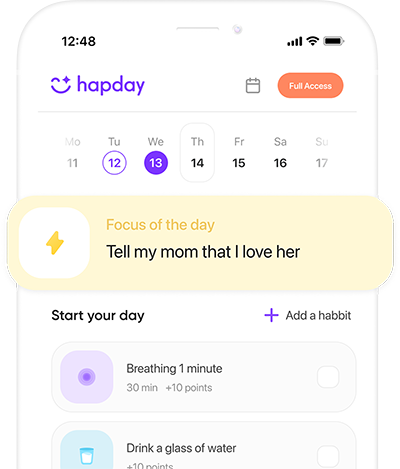
Want to lace up for your mental wellness journey? Check out Hapday for more tools aligned with your healing path.