


Alright, let’s dive into a topic that’s close to my heart—depression and how meditation can lend a helping hand. It’s a silent battle faced by millions around the globe, with the World Health Organization throwing around a staggering number—280 million people affected. Now, among the myriad of self-help tactics out there, meditation seems to shine a bit brighter. Why? Well, its effects are nothing short of profound. With meditation, we’re looking at a real shot at easing depression symptoms and moving towards a healthier headspace.
Table of Contents
- Understanding Depression and Its Impact
- The Science Behind Meditation
- Types of Meditation Beneficial for Depression
- How Meditation Alleviates Symptoms of Depression
- Implementing Meditation into Daily Routine
- Overcoming Challenges in Meditation Practice
- The Long-Term Benefits of Meditation
- Conclusion
Understanding Depression and Its Impact
First off, let’s clear the air—depression isn’t just a bout of the blues after a rough day. It’s a persistent storm, with waves of hopelessness, fatigue, and—ugh—losing joy in once-loved activities. According to some folks over at the National Institute of Mental Health, untreated depression could spiral into serious emotional and physical chaos. So, grasping at effective coping mechanisms? Yeah, that’s non-negotiable.
The Science Behind Meditation
Meditation isn’t some modern discovery—we’re talking a practice dating back to… ancient times. These days, though, psychology and neuroscience are catching on. Meditation’s pretty good at slashing stress and anxiety. A study in “JAMA Internal Medicine” even pointed out that mindfulness meditation can make a noticeable dent in anxiety and depression scores. At its core, meditation is about focusing your mind to reach a state of relaxed awareness. And, believe me, this can transform your mental world.
Types of Meditation Beneficial for Depression
- Mindfulness Meditation: Get in the here and now without passing judgment. A study from “Cognitive Therapy and Research” shows it can break those pesky negative thought loops.
- Loving-Kindness Meditation (LKM): Pouring out compassion for yourself and others. The “Journal of Happiness Studies” reported it boosts positive emotions and resilience—two things often in short supply during a depressive spell.
- Transcendental Meditation (TM): Repeating a mantra until the mind chills out. “Psychosomatic Medicine” mentioned that TM’s effective in easing anxiety and depression by fostering deep relaxation.
How Meditation Alleviates Symptoms of Depression
Meditation’s like a personal trainer for your brain—it reroutes the paths that feed depression. Those nifty fMRI studies have shown that meditation lights up areas in the brain tied to positive vibes and self-control. The prefrontal cortex? Yeah, it gets a workout, boosting emotional regulation and resilience.
Plus, meditation is a cortisol buster. High cortisol amps up depression, so dialing it back—thank you, meditation!—can help. There’s also a little serotonin boost involved, which is like the brain handing out happiness tokens.
Implementing Meditation into Daily Routine
- Start Small: Five minutes is all you need to start. No rush—build up your stamina over time.
- Create a Dedicated Space: Find a nook in your home. Toss in some candles or cushions—whatever makes it feel like a Zen zone.
- Use Guided Meditations: There are a ton of apps out there. Super helpful, especially when you’re learning the ropes.
- Consistency is Key: Same time, same place—make it a ritual. You’ll be surprised how quickly it becomes second nature.
- Be Patient and Kind to Yourself: Meditation’s a skill. Some days will be harder than others. That’s okay—just gently steer your mind back when it wanders.
Overcoming Challenges in Meditation Practice
If your mind is wandering off more than your cat at night, you’re not alone. It’s tricky to keep focus, especially when anxiety or depression is part of the picture. Techniques like focusing on your breath or guided sessions can help rein it back in. Meditation isn’t about thinking of nothing—it’s voluntarily coming back to now, every time your mind goes rogue.
Carving out time is another hurdle. But remember, even five minutes count. It’s about prioritizing—stick it in your calendar next to meetings, so it becomes a non-negotiable part of your day.
The Long-Term Benefits of Meditation
Once meditation becomes part of the fabric of your routine, the long haul benefits aren’t just for your mind. Greater self-awareness and emotional well-being, sure. But physical perks, too—lower blood pressure and a happier heart. The peace and well-being it fosters make for sustainable depression management.
Conclusion
So why not give meditation a shot? It’s practical and packs a punch against depression. You’re not just alleviating symptoms; you’re up for a mental health overhaul. And anything that gets us closer to a balanced state is worth a try, isn’t it? Of course, consulting with a healthcare provider is smart—combine meditation with your existing treatment plan for a holistic approach.
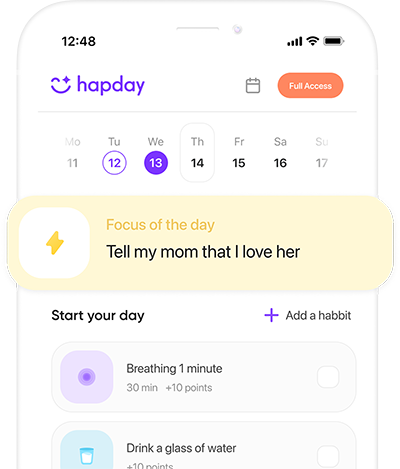
Time to explore meditation and see where it takes you. Begin your journey with the Hapday app here—who knows, it might just be the healing tool you’ve been searching for!