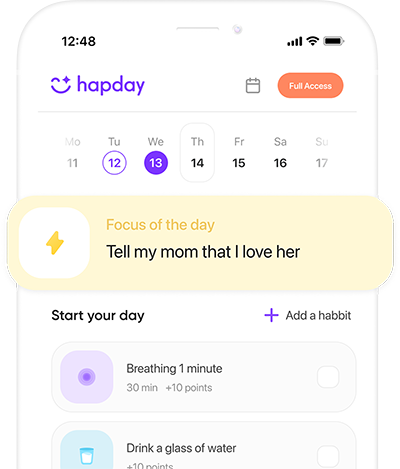




Mental health coaching for grief is a structured, skills-based way to navigate loss when the floor drops out. It’s practical on purpose: turning pain points into workable targets—sleep, appetite, connection, focus—so you can function while honoring what’s gone. Not just venting. More like scaffolding. In my view, the most useful promise of coaching is momentum when everything feels stuck.

Table of Contents
- How mental health coaching for grief differs from therapy
- What happens in mental health coaching for grief
- Common elements
- Evidence and outcomes of mental health coaching for grief
- Who it’s for—and who it’s not for
- How to choose a provider and get started with mental health coaching for grief
- A first-week starter plan from mental health coaching for grief
- The bottom line
- Summary
- References
How mental health coaching for grief differs from therapy
Think present-focused and behavior-first. Coaches don’t diagnose or treat mental disorders; they co-create brief plans, track follow-through, and adjust. Therapists address conditions like major depression, PTSD, or Prolonged Grief Disorder (PGD), which the APA formally added to DSM-5-TR in 2022. About 7–10% of bereaved adults develop PGD, with higher rates after sudden or violent loss (a meta-analytic estimate sits near 9.8%). That’s when treatment—not coaching alone—is indicated. Responsible coaches know their lane; they screen, watch for red flags, and refer out when there’s suicidal risk, trauma symptoms, or severe impairment. If you’re in crisis, contact local emergency services or a crisis line immediately. My bias here: clear scope saves lives and time.
What happens in mental health coaching for grief
A session opens with a quick needs scan: sleep, nourishment, movement, connection, workload. Then two or three realistic goals—small enough to do on the worst day—plus a short list of experiments for the week. You and the coach decide what to test, and how you’ll know if it helped. Gentle, not vague. The aim isn’t to “fix grief.” It’s to help your days stop unraveling.
Common elements
- Stabilizing basics: a wind-down cue at night; hydration reminders; “tiny” default meals for low appetite—enough fuel to steady mood and energy.
- Nervous-system support: 5–10 minutes of paced breathing or sensory grounding to reduce reactivity; body before brain, most mornings.
- Social scaffolding: one or two low-stakes check-ins; clear boundaries for visitors and work demands so you’re not flooded.
- Meaning-making: values checks, small rituals, and continuing bonds—keeping photos, letters, or music in your life without sliding into avoidance.
- Cognitive-behavioral tools: scheduling brief pleasant or meaningful activities to counter inertia; catching all-or-nothing self-judgments and softening them.
- Grief literacy: normalizing waves; planning for triggers—anniversaries, holidays, that song—using simple if-then plans.
Coaching often runs 6–12 sessions, with quick check-ins on sleep hours, movement minutes, and weekly connection touches. When needed, coaches coordinate with your therapist or physician. My take: the accountability is kinder—and more effective—than people expect.
Evidence and outcomes of mental health coaching for grief
Grief is common, consequential, and measurable. Meta-analyses suggest nearly 1 in 10 bereaved adults meet criteria for prolonged grief. Widowhood carries, on average, a 22% higher mortality risk—numbers that make the case for early support. Coaching isn’t therapy, yet coaching as a discipline has evidence: a 2014 meta-analysis found moderate effects on well-being, coping, goal attainment, and resilience. Since 2020, telehealth and brief, skills-based programs have expanded; digital approaches that mirror coaching (clear goals, micro-steps, check-ins) reduce depressive and anxiety symptoms for many. When grief is prolonged or traumatic, targeted therapies such as Complicated Grief Treatment and therapist-assisted CBT show robust benefits in randomized trials. In 2021, Harvard Health Publishing summarized the health impacts of bereavement and the value of structured routines; The Guardian reported on the debate over bereavement leave and the “disenfranchised grief” many workers face. My view: coaching is not a cure—it’s a practical bridge that often keeps people engaged until (and alongside) therapy.
Who it’s for—and who it’s not for
Coaching can fit if you:
- Want concrete steps to sleep, eat, and move again—today, not then some distant future.
- Feel isolated and need gentle accountability without pressure.
- Are returning to work or school and need pacing plans to prevent crash-and-burn.
Seek therapy (not coaching alone) if you have:
- Persistent inability to function 6+ months post-loss with intense yearning or guilt.
- Suicidal thinking, major depression, PTSD, substance misuse, or psychosis.
Coaches should state scope clearly, use screening tools to guide referrals, and coordinate care when appropriate. My stance: if there’s diagnostic-level suffering, therapy leads and coaching supports—or waits.
How to choose a provider and get started with mental health coaching for grief
- Training: Look for NBHWC or ICF credentials and grief-specific education; ask about supervised practice.
- Approach: Ask how goals are set, how progress is measured, and how setbacks are handled—on paper, not just in spirit.
- Safety: Clarify crisis protocols and when they refer to therapy; you deserve specifics.
- Fit: You should feel respected and un-rushed; sessions should end with a doable micro-plan, not a pep talk.
- Cost/format: Many offer 30–60 minute virtual sessions; packages can lower cost. Since 2020, video-based coaching has become standard.
If a coach can’t explain their method in two minutes, keep looking.
A first-week starter plan from mental health coaching for grief
- Micro-restore: 10-minute wind-down before bed, same time nightly (alarm helps).
- Nourish: One prepared “default” meal you can repeat—no decisions required.
- Move: 8–12 minutes of gentle activity, 4 days (walk, stretch, light chores).
- Connect: Two brief texts to safe people; one 20-minute walk-and-talk.
- Soothe: 5 minutes of paced breathing (inhale 4, exhale 6) twice daily.
- Prepare: A 3-line plan for the next hard date (who you’ll text, what you’ll do, how you’ll rest).
Is it small? Yes. And small, repeated, becomes structure.
The bottom line
Coaching gives you a scaffold—practical steps, compassionate accountability, skills—while honoring what hurts. Its not a substitute for therapy when PGD or other conditions are present. Used well, it helps many regain steadiness and meaning one small action at a time. My opinion: structure isn’t cold; it’s a form of care.
Summary
Mental health coaching for grief turns overwhelming loss into bite-size, research-aligned steps—stabilizing sleep, food, movement, and connection—while flagging when therapy is needed. Evidence shows coaching improves well-being and targeted grief therapies work when symptoms persist. If you want structure and gentle momentum, start small, track progress, and ask for a coach who partners transparently. Bold next step: Book a consultation this week and try one micro-restore habit tonight. Why not now??
References
- Lundorff M et al. Prevalence of prolonged grief disorder. J Affect Disord. 2017. https://doi.org/10.1016/j.jad.2017.07.014
- American Psychiatric Association. Prolonged Grief Disorder. https://www.psychiatry.org/patients-families/prolonged-grief-disorder
- Shor E et al. Widowhood and mortality: meta-analysis. Soc Sci Med. 2012. https://doi.org/10.1016/j.socscimed.2012.04.021
- Theeboom T et al. Does coaching work? Meta-analysis. J Posit Psychol. 2014. https://doi.org/10.1080/17439760.2013.837499
- Shear K et al. Treatment of complicated grief: RCT. JAMA. 2005. https://doi.org/10.1001/jama.293.21.2601
- Litz BT et al. Therapist-assisted internet CBT for complicated grief: RCT. Am J Psychiatry. 2014. https://doi.org/10.1176/appi.ajp.2014.13040552