


Table of Contents
- The Link Between Meditation and Sleep
- Understanding the Science Behind Meditation
- Getting Started: Types of Meditation for Sleep
- 1. Mindfulness Meditation
- 2. Guided Meditation
- 3. Body Scan Meditation
- 4. Loving-kindness Meditation
- Incorporating Meditation into Your Routine
- Real-Life Success Stories: Meditation’s Impact
- How to Overcome Challenges in Meditation Practice
- The Broader Benefits Beyond Sleep
- Taking the Next Step with Meditation
- References
Key Takeaways
- Meditation can significantly improve sleep quality by reducing stress and anxiety.
- Different types of meditation, such as mindfulness and guided meditation, can aid in achieving better sleep.
- Incorporating meditation into a daily routine can be beneficial; start with short sessions and build up over time.
- Expect distractions and challenges; it’s natural, being patient is key in the journey of meditation.
- Meditation not only enhances sleep but also fosters emotional health and personal growth.
The Link Between Meditation and Sleep
Is meditation truly a refuge from the storm of restless nights? The answer seems to be rooted deep in science. Specifically, researchers have shown that mindfulness meditation sparks relaxation, potentially reducing stress and anxiety—those usual suspects of our sleepless nights. Back in 2015, a study published in JAMA Internal Medicine uncovered that individuals practicing mindfulness meditation experienced much-improved sleep quality, reduced severity of insomnia, and an overall uplift in well-being. Sounds promising, doesn’t it?
“Meditation serves to quiet the mind, an essential ingredient for initiating sleep. It reduces cortisol levels and boosts neurotransmitters associated with relaxation.”
— Dr. Sarah Chen, Clinical Psychologist at NYU
Understanding the Science Behind Meditation
To grasp why meditation works, it’s worth diving into a bit of nighttime science. Good sleep—it’s a delicate dance often disrupted by the stress and speed of modern-day life. Stress unleashes cortisol, the notorious sleep thief. But meditation? It seems it lowers those physiological barriers by dialing down cortisol and boosting melatonin—the sleep-regulating hormone, according to a study tucked away in Biological Psychology.
Meditation takes you on a journey of focusing on the present, gently detaching your mind from the day’s barrage of stresses. It’s like hitting a mental reset button, rewiring the brain to better handle stress, making way for more restful nights.
Getting Started: Types of Meditation for Sleep
If Cassie’s nighttime saga resonates with you, you might be curious to explore meditation. Among a smorgasbord of options, where do you even start? Here are a few meditation practices particularly beneficial for drifting into dreamland:
1. Mindfulness Meditation
Mindfulness meditation beckons you to bask in the present without passing judgment. It’s all about cultivating a lower state of arousal—setting the stage for a more restful experience. According to a UCLA study, mindfulness practices enhance the body’s natural circadian rhythms, paving the way for better sleep.
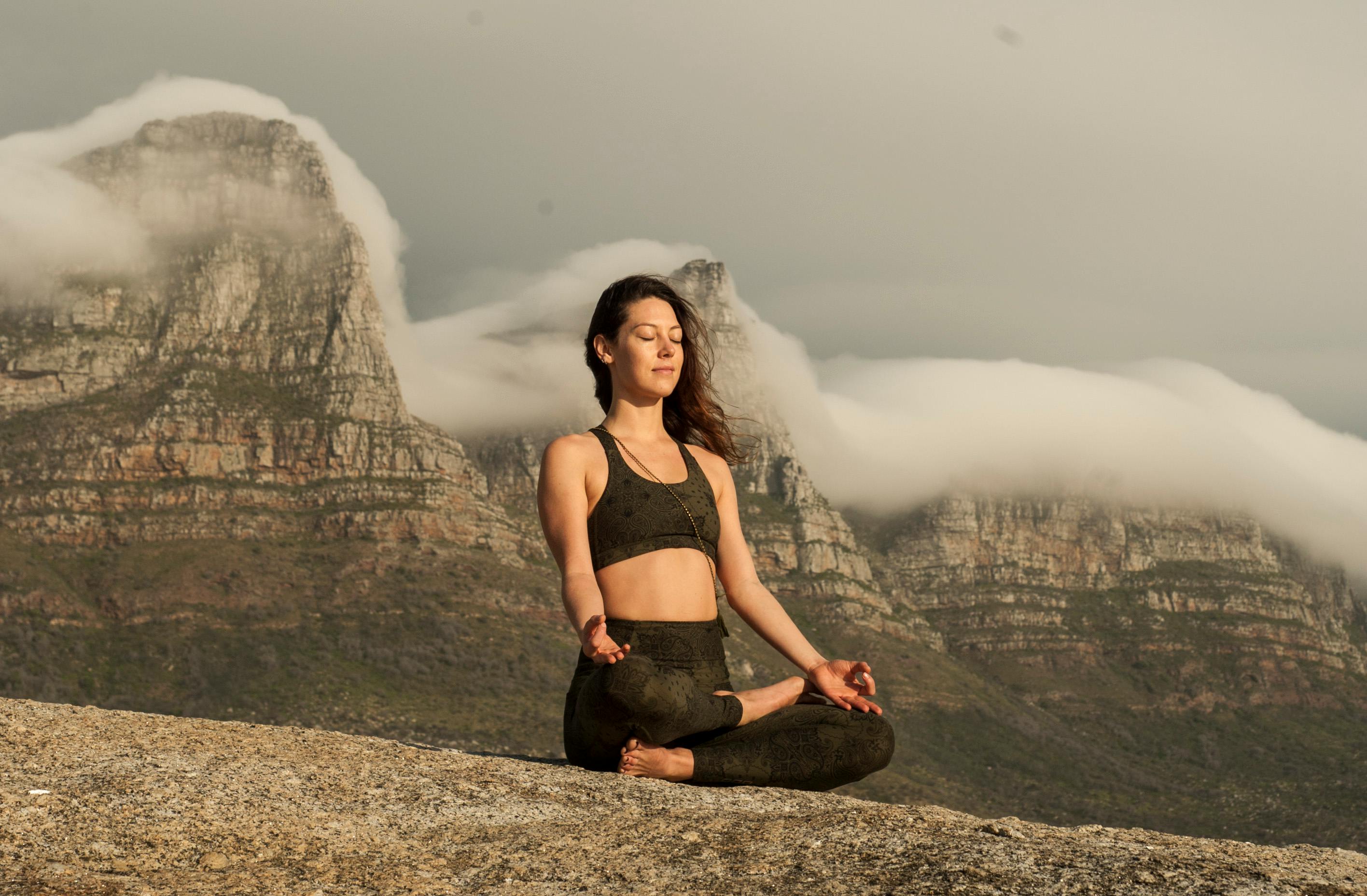
Picture this: You’re seated comfortably, eyes closed, focusing solely on your breath. Feel the air as it enters and exits—what a simple yet profound exercise. Thoughts wander? Gently redirect them back—training the mind to stay present, undisturbed by external noise.
2. Guided Meditation
Guided meditation? Think of it as a comforting mental walk led by a soothing narrator, easing you into a state ready for sleep. Dr. Margaret Chapman-Clarke, a dedicated mindfulness researcher, suggests that guided meditation helps because “it nudges the mind out of rigid thinking patterns.”
Apps like Calm or Headspace offer plenty of guided meditations. Whether you’re a beginner or a seasoned practitioner, these apps can help you maintain focus and gradually hone meditation skills needed for a good night’s sleep.
3. Body Scan Meditation
An alluring aspect of body scan meditation is its rhythmic nature. This practice guides you into a mental journey across your body, harnessing awareness. Feel a bit tense? Notice and consciously relax those areas—a foundation for restful sleep.
4. Loving-kindness Meditation
Loving-kindness meditation, though not primarily designed for sleep, cultivates peace and compassion—something few of us can resist. By repeating phrases like “May I be happy,” or “May I rest easily,” a study in Psychoneuroendocrinology finds that it may soothe psychological stressors that so often steal our sleep.
Incorporating Meditation into Your Routine
Now that we’ve dissected some meditation types, let’s chat about how to weave them into your daily rhythm.
Start Small
And I mean really small. If meditation is new for you, kicking off with brief six to 10-minute sessions each day could be wise. A touch of regularity often triumphs over lengthy endeavors, as shown in an interesting Journal of Psychosomatic Research study.
Choose a Relaxing Environment
Your meditation haven matters. Find a quiet space where you feel at ease and aren’t likely to be disturbed. Ambient sounds—gentle raindrops or chirping crickets—can amplify the experience.
Play with Timing
Cassie’s internal clock favored meditation before bed. However, whether morning sunrise or midday work breaks, meditation provides flexibility for managing daily stress and, consequently, better evening rest.
Real-Life Success Stories: Meditation’s Impact
Consider Maya, a 28-year-old navigating the emotional hurricane of divorce while balancing a demanding job. Meditation was her salvation, easing not only her sleep but also soothing her anxiety levels.
“Focusing on my breath—it had a profound impact.”
— Maya, Regular Practitioner
Regular meditation became her anchor, helping reclaim sleep and strengthening emotional resilience.
How to Overcome Challenges in Meditation Practice
Like any new skill, meditation has its hurdles. Here’s how to tackle the common challenges:
- Expectations vs. Reality: Instant results? Not so fast. Meditation is a journey, not a race. Patience is your friend here.
- Distracting Thoughts: Minds wander—it’s perfectly natural. Recognize these thoughts and smoothly guide your focus back to the breath or story being told.
- Impatience or Restlessness: Sitting still a challenge? You’re not alone. Try pairing seated meditation with mindful walks or maybe even a yoga flow to engage both mind and body.
The Broader Benefits Beyond Sleep
Meditation isn’t a one-trick pony. It stretches beyond mere sleep improvement, cultivating emotional health and strengthening one’s capacity to tackle life’s myriad challenges. Plus, it heightens self-awareness and introspection, paving the way for personal growth and inner peace.
“Meditation not only enhances sleep but deepens waking life by nurturing emotional and mental resilience.”
— Dr. Emily Watson, Sleep Specialist
Taking the Next Step with Meditation
Could meditation be the key to unlocking those blissful, restful nights you’ve longed for? With a sprinkle of patience and practice, these meditative moments—just might usher in a life of tranquility and balance.
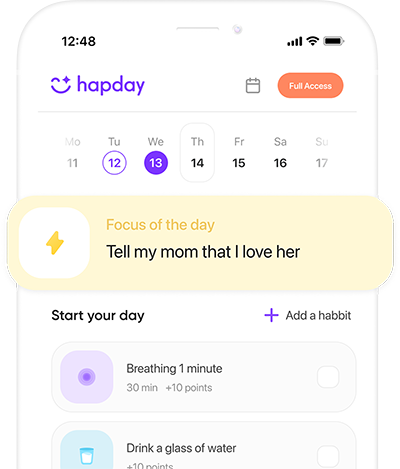
As you dip your toes into this practice, having the right support makes all the difference. Why not explore Hapday? An around-the-clock AI life coach that tailors your meditation journey and bolsters overall mental well-being. With programs finely tuned for stress and sleep, help is always right there at hapday.app.
References
- JAMA Network
- Biological Psychology
- UCLA Faculty Research
- Journal of Psychosomatic Research
- Psychoneuroendocrinology
- Harvard Health Publishing
The Bottom Line
Meditation serves as a powerful tool to improve sleep and enhance overall well-being. By integrating various meditation techniques into daily life, individuals can cultivate a more restful experience at night, leading to rejuvenated days full of emotional balance and mental clarity.