



Table of Contents
- The Science Behind Stress and Movement
- Movement Techniques That Reduce Stress
- Finding Motivation and Building a Routine
- Make Movement Work For You
- The Final Push: Stress Less, Move More
- References
Picture this: you’re sprawled on the couch, body tense, mind reeling like a spool of yarn about to unravel. It’s been one of those days—the kind that wraps around you like an unwelcome embrace, leaving you gasping for a single moment of relief. And yet, there you lie, with a sense of inertia holding you captive, pondering if there’s some magical way to shake off this cloying stress. It turns out, the answer is closer than you think—the transformative power of movement.
In our whirlwind modern lives, stress isn’t just a visitor; it’s practically moved in. For many Gen Z and Millennial women, juggling work, a personal life, and societal expectations, stress feels like a permanent second skin. But there’s a silver lining: movement isn’t only about getting fit or shedding pounds; it’s a powerful anti-stress weapon. Back in 2020, the American Psychological Association noted that a staggering 70% of U.S. adults reported heightened stress levels due to the pandemic, with young adults bearing the brunt. But here’s some good news: physical activity undeniably stands as one of the most effective antidotes.
The Science Behind Stress and Movement
Before we jump into techniques, let’s explore what’s happening under the hood. Stress flips on your “fight or flight” response—a biological hangover from our caveman days meant to tackle life-threatening situations. Today, this response is triggered by run-of-the-mill stressors. Hormones like cortisol and adrenaline flood your system and, if unchecked, can wreak havoc over time.
Movement serves as a natural balm, mitigating these effects. Study after study—such as one from the Psychotherapy and Psychosomatics journal—consistently highlights that regular exercise taps down cortisol levels and pumps up endorphins, those revered ‘feel-good’ hormones.
“Physical activity offers a two-for-one deal here. It lowers stress hormones and boosts mood-lifting chemicals at the same time.”
— Dr. Sarah Chen, NYU
There’s more: engaging in movement fosters neuroplasticity—the brain’s ability to weave new neural pathways. Imagine it like fortifying your mind’s armor against stress, acquiring grace under pressure, one step, punch, or stretch at a time.
Movement Techniques That Reduce Stress
1. Mindful Movement: Yoga and Tai Chi
Take Maya, for instance—a 28-year-old who sought solace in yoga after her divorce.
“Each stretch felt like it was releasing worry from my very body.”
— Maya
Practices like Yoga and Tai Chi delve into controlled breathing and mindful focus, which can coax you into relaxation bordering on bliss.
Research—including a study from Harvard Medical School—shows that practicing yoga diminishes anxiety and lifts mood. The secret? Synchronizing breath, body, and mind. This meditative aspect soothes the nervous system, shifting the body from readiness to recuperation.
Ever spiraled into a cycle of worry? Platforms like Hapday offer an AI coach that nudges you gently out of that loop, with mindfulness exercises available anytime—even at 2 AM.
2. Rhythmic and Aerobic Movements
Why does a dance class often leave us buzzing with exhilaration? Movements like dancing, running, or a brisk walk boost your heart rate, unleashing those satisfying endorphins.
A 2018 piece in Frontiers in Psychology discussed how dance therapy slashed anxiety symptoms. Similarly, runners often pursue this activity for the meditative “runner’s high,” where a mindful flow engages the brain.
Finding Motivation and Building a Routine
The mere knowledge that movement helps isn’t always enough, right? Especially when fatigue has its hold. That’s where habit-building and a supportive community really shine.
Key Takeaways
- Understanding and managing stress through movement can lead to significant mental and emotional benefits.
- Mindful movements such as yoga and Tai Chi can promote relaxation and reduce anxiety.
- Rhythmic and aerobic exercises help release endorphins that uplift mood.
- Building a supportive community and establishing a routine enhance motivation to stay active.
Start Small and Consistent: A winning strategy is embedding short, manageable bursts of activity into your day. The CDC emphasizes that even quick 10-minute intervals contribute significantly.
Track Your Progress: Keep an activity log. It’s a poignant reminder of progress, fueling your motivation.
Engage in Community Activities: Dive into local fitness circles or online communities for the camaraderie that makes habits stick.
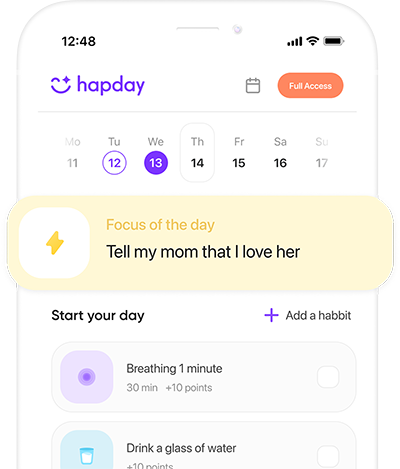
Imagine glancing at the mirror and seeing hesitation looking back. Platforms like Hapday, utilized by over 3 million for mental health, track your strides, keeping you connected and inspired on your stress-relief journey.
Make Movement Work For You
Understanding movement for stress management is one thing; weaving it seamlessly into your life takes more finesse. Tailor your approach to align with your lifestyle and passions.
Personalize Your Movement Plan
Consider your routines, energy ebbs, and what genuinely enlivens you. Morning person? Perhaps a dawn jog. More flexibility at dusk? A calming nighttime yoga might be perfect.
Switching things up keeps it lively. Mix yoga, run, dance, maybe a swim into your week. When aligned with your interests, these sessions transform from a chore to a treat.
Allow Flexibility
Rigid regimens can heighten rather than ease stress. Feel empowered to adjust your routine around life’s unpredictabilities. It’s consistency that counts, not a flawless daily scorecard.
The Final Push: Stress Less, Move More
Stress is a cunning guest; it will sneak in. But remember, you command the power to redefine your rapport with it. Through movement, you’re not just shedding tension from your body, but fortifying your mind’s resilience. Picture each motion not as mere exercise, but as an act of self-love—a cherished gift for your mental and emotional self.
Harness these strategies with the right support. Hapday (hapday.app) is an AI life coach, trusted by millions, ready 24/7 to help embed habits that last.
References
- American Psychological Association – https://www.apa.org
- Harvard Medical School – https://www.health.harvard.edu
- Centers for Disease Control and Prevention – https://www.cdc.gov
- Frontiers in Psychology – https://www.frontiersin.org
- Psychotherapy and Psychosomatics – https://www.karger.com/Journal/Home/223864