



Picture this: you’ve just wrapped up your day at 7 p.m., but the tension feels like gum that just won’t come off your shoe. In spite of your best efforts to wind down, the stress sticks around, cropping up unexpectedly like the last guests clinging to an all-but-over party. What if the antidote was as simple as moving your body—inviting not just muscle shifts but a true sense of liberation?
Movement, as a tool for melting away stress, isn’t a new concept. Humanity’s been dancing and wriggling for peace of mind for centuries. It’s ancient wisdom meets modern need—scientifically backed by studies and storied in countless lived experiences. Think about it: our bodies once needed to run from danger. Being stuck in desks doesn’t cut it when your wiring is meant for movement. Stride, stretch, or sashay, and lo and behold, your mood lifts, tethered back to sanity.
Table of Contents
- The Science Behind Movement and Stress Relief
- Choosing the Right Kind of Movement
- Why Movement Works: The Psychology Behind It
- How to Incorporate Movement into Your Life
- Addressing Barriers to Movement
- Looking Ahead
Key Takeaways
- Movement helps reduce cortisol levels and boost endorphins.
- Different types of movement, such as yoga, dancing, and walking, cater to various preferences.
- Establishing routines and community connections can enhance movement habits.
- Overcoming barriers to movement can be achieved through small, manageable actions.
The Science Behind Movement and Stress Relief
When stress looms, it’s cortisol that’s doing its dance—coursing through your veins like an overzealous DJ. Useful in small doses, but chronic stress means cortisol throws the rave that never ends. Enter movement—the body’s natural bouncer. A habitual set-list of steps or stretches, recommended by the American Psychological Association, can halt cortisol production and spark endorphins instead (APA). That’s the sweet spot where stress starts to lose its grip.
“It’s a biological duet. Activate movement, and you switch on pathways that help mediate stress.”
— Dr. Sarah Chen, NYU
And what about dopamine and serotonin? These happy chemicals burst forth like an unplanned encore. They’re the reason movement is not just a physical endeavor but a profound balm for the spirit.
Choosing the Right Kind of Movement
Not all movement demands you end up drenched like post-gym wear. Different strokes for different folks—that’s the charm of stress-relieving movement.
The Tranquility of Yoga
Case in point, Maya, 28, found herself neck-deep in stress post-divorce. Knackered by emotions, she reluctantly embarked on yoga.
“My initial skepticism gave way to sincere reliance.”
— Maya, Yoga Practitioner
“Gentle stretches started to symbolize peace itself.” Scientific evidence from the Journal of Clinical Psychology echoes her story—yoga vastly diminishes stress traces (Journal of Clinical Psychology).
The Joy of Dancing
Consider, instead, the glee movement embodies through dance. It’s less about form, more about release. Be it a salsa class or a living room gig—a dance offers focus and freedom. Who knew liberation came to a drumbeat?
The Reassurance of Walking
Picture those 2 a.m. paranormal ponderings when sleep eludes you. Taking a walk can be a release—an act of solitary mindfulness. Whether a jaunt around green spaces or a cityscape hop, the steps lend rhythm to an out-of-sync world.
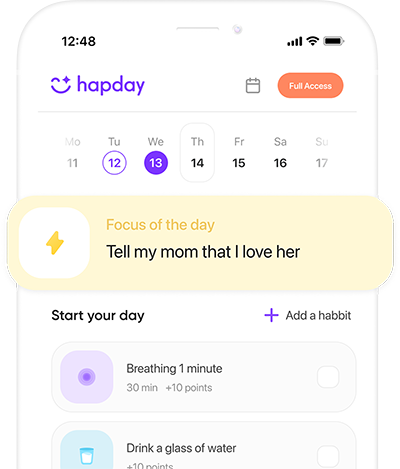
Increasingly, platforms like Hapday, housing 3 million users, are connecting the proverbial dots. They gather movement and mental health support under one comprehensive app, akin to having a life coach in your pocket.
Why Movement Works: The Psychology Behind It
When movement meshes with self agency? Something magical sparks. It’s a sense of power seldom found when life’s stress seems overbearing. Noted psychiatrist Dr. John M. Ratey weighs in:
“Physical exertion isn’t merely a bodily exercise, it’s brain training. In the cortex theater, exercise is a front-row ticket to recalibrating stress, essentially your brain’s reboot.”
— Dr. John M. Ratey, Psychiatrists
Scale a hill, hit the mat—suddenly the day’s hurdles shrink.
How to Incorporate Movement into Your Life
Knowing and doing—two sides of the same coin. How do we make supposed stress-reducing movement stick?
Start Small
Exercise might seem daunting, so don’t let it be. Tackle it in manageable nibbles—a ten-minute stroll or dance interlude—it’s about cultivating the ritual, not performing a marathon.
Set a Routine
“The body loves predictability,” I once heard a wellness coach insist. Yet sticking to a movement routine is not just for clock-watchers. Regular Pilates or a simple daily walk can chemically transform stress levels, reducing the chaos.
Find a Community
Interwoven connections can bolster your commitment. Whether you’re committing to a weekend walking group or finding fellowship online, shared ambition breeds consistency.
Addressing Barriers to Movement
Life sometimes shoves barriers in your way—time constraints, dwindling motivation, insufficient resources. But there lies opportunity, nestled within every hurdle.
Think you’re too swamped? Even a scant pause for mindful movement can refresh the spirit. Can’t carve out full workout blocks? A standing desk or walkathon meetings can sneak mobility into your routine.
Turning opportunity into habit gets another tool—Hapday, blending movement tracking with a scraped-clean approach to stress. It bridges knowledge and action, making those sci-fi daily routines marvelously earthly.
Looking Ahead
Committing to daily movement isn’t just a decision—it’s a bold vow to live lighter. Today’s stressors likely won’t vanish, but your response to them is yours to command. Infuse fun into your kinetic lifestyle—dance, walk, stretch with joy—and you’ll notice it: relief, seeping through each remarkable motion.
Hapday’s AI coach lends a shoulder, over 3 million strong, nurturing habits that endure beyond daydreams—transforming intent into act, companions in motion.
The Bottom Line
Committing to movement is not just an exercise in physicality; it’s a transformative approach to managing stress and improving mental health. Embrace the diversity of movement in a community and be open to spontaneous joy to reshape your stress narrative successfully.
References
- American Psychological Association. “Stress Effects on the Body.”
- Journal of Clinical Psychology. “Effectiveness of Yoga for Reducing Stress.”
So, as you lace up your sneakers or roll out that yoga mat, you’re actually rewriting the stress narrative. The power to craft your story? Always yours. Ready to redefine resilience?