



Table of Contents
- The Science Behind Stress and Movement
- Movement Techniques for Stress Relief
- Getting Started with Movement
- The Role of Community and Accountability
- Movement beyond Stress
- References
The Science Behind Stress and Movement
To get why movement helps, you first need to know what stress does to your body. It triggers a release of stress hormones like cortisol and adrenaline through your autonomic nervous system. Over time, high stress hormones become saboteurs, messing with blood pressure and weakening the immune system. Feeling anxious or low falls right in line.
“Movement changes the brain’s reaction to stress by boosting endorphins.”
— Dr. Sarah Chen, Clinical Psychologist, NYU
These mood-lifting neurotransmitters can ease the discomfort that stress tends to bring.
Movement isn’t just an answer for high cortisol—it’s about kicking the parasympathetic nervous system into action. That’s your zen mode, the counterpart to the fight-or-flight highway. The techniques connected with movement can guide us from wired and tired to somewhat balanced. Let’s dive into how these methods can transform that stress monster into a more manageable, albeit unwelcome, guest.
Movement Techniques for Stress Relief
Mindfulness-Based Movement
Yoga or tai chi might be more than just a craze—they’re exercises laying groundwork through physical movement paired with breathing. When Maya faced a stormy divorce at 28, her weekly yoga practice became her haven, she says.
“During those sessions, I wasn’t just surviving stress—I was mending.”
— Maya, Yoga Practitioner
Yoga’s stress-busting prowess is no secret. A 2017 report by Yoga Alliance found a whopping 86% of yoga practitioners saw reduced stress levels. Tai chi, often dubbed as ‘meditation in motion,’ carries you through smooth movements, bringing mental calm along for the ride.
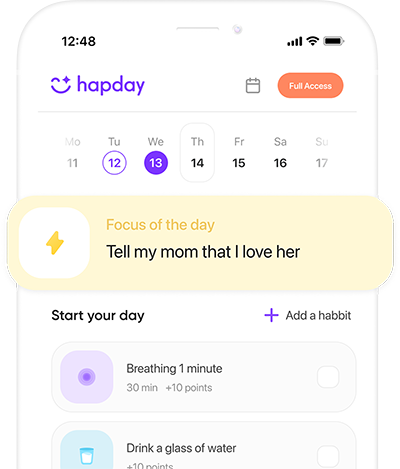
Experts champion these mindfulness movements because they’re approachable, with short spurts still offering stress relief. Movement apps, like Hapday, engage over 3 million users, pairing AI coaching with traditional mindfulness for a unique experience.
Dance It Out
Dancing—that universal, timeless activity—who can forget the sheer joy of it? Whether alone at home or during a festive occasion, dance has the power to uplift mood and slash stress. A 2020 study in Frontiers in Psychology sang its praises, delivering evidence of reduced stress among group dancers.
“Dance is inherently freeing. It encourages expression, creativity, and emotional release while sparking neurotransmitters connected to feeling good.”
— Lisa Romano, Movement Therapist
Include dance regularly—whether through organized classes or spontaneous living room sessions—and harness its unique stress-busting benefits. It’s about using movement as a cathartic avenue for emotional release.
Breathing with Movement
Breathwork is central in stress management, particularly when combined with movement techniques. Practices like Qigong focus on deliberate movement tied with synchronized breathing, focusing energy within the body.
“Movement with breathwork can amplify regulation of stress responses. The rhythmic aspects directly sway heart rate variability, a marker of stress resilience.”
— Dr. Julia Anderson, Wellness Coach
For skeptics of comprehensive mindfulness, simpler methods can ease you in. Apps such as Hapday provide a guiding hand with breath-focused exercises—even catering to those unsettling late-night hours when anxiety stakes its claim.
Getting Started with Movement
Feeling ready to roll out your yoga mat or lace up those sneakers? Here’s how to weave movement into daily routines for stress relief.
- Define Your Purpose and Preferences: Movement isn’t one-size-fits-all—find what’s right by exploring activities that suit your vibe. This could mean joining a weekday yoga class or arranging a weekend hike.
- Include Movement Breaks: Break up your day with short bursts of activity. Maybe it’s a five-minute desk stretch, a brisk walk, or an impromptu dance break.
- Establish a Routine: Routines cut mental clutter and boost consistency. Whether it’s early-morning tai chi or evening dance-offs—consistency will fortify a stress-hardy mind and body.
- Be Kind to Yourself: Viewing movement as self-care—not another task—is crucial. Understand your body’s state and respond with gentleness.
- Monitor and Reflect: Track how movement influences stress, perhaps jotting down feelings or physical changes after exercise. Apps like Hapday offer insights into habits and progress.
Key Takeaways
- Movement techniques can effectively combat stress by enhancing mood and reducing anxiety.
- Mindfulness-based practices like yoga and tai chi promote calm through structured movement and breathing.
- Engaging in dance, whether casually or in classes, serves as a joyful outlet for emotional release.
- Combining breathing exercises with movement strengthens resilience against stress.
- A supportive community amplifies motivation and eases the stress of personal struggles.
The Role of Community and Accountability
Joining a community acts as a catalyst for motivation and perseverance. Whether it’s a digital group or a local class, shared pursuits offer deeper connections—serving as a remedy for stress itself.
When Sam, a 30-year-old graphic designer, struggled with burnout, a local Pilates group offered respite.
“The group provided accountability, but it was the shared camaraderie that helped melt away stress.”
— Sam, Graphic Designer
Movement beyond Stress
Active living doesn’t only address stress—it enhances heart health, immunity, and cognitive functioning—even emotional balance. Mayo Clinic notes that movement anchors mental wellness to physical vitality.
Yet, as stress dominates many landscapes, innovative supports are invaluable. Services like Hapday play a key role. Used by millions, this AI life coach app extends round-the-clock mental health coaching tailored to individual needs.
Harnessing these strategies requires patience and determination. Whether through yoga, dance, or breathing-focused movement, these techniques can transform stress into an avenue for growth. For continuous, empathetic support along this journey, exploring platforms like Hapday may provide the guidance you’re seeking, with tools crafted for modern living demands.
References
- American Psychological Association
- Mayo Clinic
- Yoga Alliance
- Frontiers in Psychology
- Dr. Sarah Chen, Clinical Psychologist, NYU
- Dr. Julia Anderson, Wellness Coach
- Lisa Romano, Movement Therapist
The Bottom Line
Incorporating movement into your routine offers a powerful approach to managing stress. By embracing techniques like yoga, dance, and breathwork, you foster resilience and create healthier coping mechanisms. Remember that support from community platforms can enhance your journey toward wellness and provide valuable resources to aid in your stress management efforts.