



Table of Contents
- Understanding Toxic Family Dynamics
- Recognizing Signs of Toxic Behavior
- The Psychological Impact
- Setting and Maintaining Healthy Boundaries
- Creating Physical and Emotional Distance
- Nurturing a Supportive Network
- Healing from the Psychological Toll
- Moving Forward to Personal Peace
- References
Key Takeaways
- Toxic family dynamics can significantly impact mental health and self-worth.
- Setting and maintaining boundaries is essential to protect your emotional space.
- Surrounding yourself with supportive individuals aids personal growth.
- Healing from family toxicity often requires professional help and self-compassion practices.
- Creating physical distance can provide the necessary space for personal empowerment.
Understanding Toxic Family Dynamics
Family should be our sanctuary—a place of warmth and understanding. Sadly, it can sometimes be a minefield of criticism, manipulation, and neglect. A toxic family can leave you feeling unsupported and constantly scrutinized.
“These toxic patterns often originate from unresolved personal issues or a misguided need for control.”
— Dr. Sarah Chen, NYU
That buried anger and helplessness don’t just vanish.
Back in 2021, the American Psychological Association revealed that nearly 30% of over 6,000 participants felt their family ties were significantly damaging to their mental health. Recognizing this truth is the first step toward reclaiming your emotional space.
But, the guilt—oh, the guilt. Thoughts race: “Am I really turning my back on my family?” Setting boundaries isn’t shirking your responsibilities but crucial for your own sanity.
Recognizing Signs of Toxic Behavior
Before making changes, it’s vital to pinpoint the specific toxic behaviors:
- Constant Criticism and Judgment: Instead of being helpful, criticism targets your core, making you question your very being.
- Emotional Manipulation: This might involve guilt-tripping, gaslighting, or bending your emotions to fit their whims.
- Lack of Empathy or Support: An indifference to your joys and struggles can signal an emotional void.
- Boundary Violations: They override your lines in the sand, leaving you vexed.
Take Julia, a 29-year-old teacher who was criticized relentlessly by her dad for her career, making her question her path daily.
“I needed to protect myself from this lie,”
— Julia
she eventually realized, spurring her decision to assert healthier boundaries.
The Psychological Impact
A relationship poisoned by toxicity can erode self-worth, spur depression, and even lead to anxiety. Remember that National Institute of Mental Health survey from 2020? It found stark increases in anxiety disorders among those in toxic family landscapes compared to those with more supportive ones.
“Enduring unhealthy relationships skew your sense of what’s normal.”
— Dr. Marcus Leibowitz, Therapist
Acknowledging this sets the stage for healing.
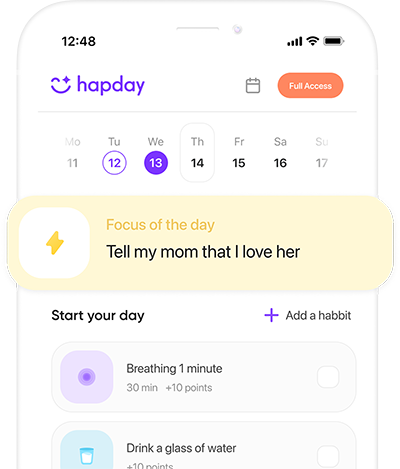
Mindfulness, cognitive-behavioral therapy, and resilience tactics are effective methods to navigate these mental tolls. Apps like Hapday offer guided support with features like mood tracking to help chart your recovery.
Setting and Maintaining Healthy Boundaries
When you’re aware of the toxicity, your next move is to set boundaries. It’s not easy, especially when guilt or the weight of family expectations bears down on you. That’s why boundaries are vital—they’re a crucial shield for your mental space.
“Communicate your needs clearly. Don’t overjustify.”
— Dr. Sarah Chen
Take a different tack, like saying, “I need space when discussions turn critical,” instead of blaming them directly.
Creating Physical and Emotional Distance
Setting boundaries sometimes isn’t enough; distance might be called for. Cutting down on how often you see them or limiting interactions can do wonders. This isn’t about severance—it’s redefining connections.
Consider Leo’s story: At 31, he moved far from a suffocating family setting, giving him room to chase dreams without their weight pressing down.
“It’s not about ending ties,”
— Leo
he says. “It’s about redefining them for my sanity.”
Before making big choices, weigh the outcomes and look for support beyond the family—perhaps a mentor or counselor.
Nurturing a Supportive Network
Honestly, as you distance yourself from toxic kin, building a supportive network is vital. Surround yourself with people who uplift rather than undermine you. Such connections drive your personal growth.
A Harvard Health study, which scanned over 300,000 people, echoed this—those with strong social circles lived longer, healthier lives. Be it offline or through digital platforms like Hapday, finding others who resonate with your energy is pivotal.
Healing from the Psychological Toll
With distance and boundaries in place, it’s time to heal. Healing is layered and essential since it helps reclaim your voice in your life’s story.
- Therapy and Counseling: Seek professionals experienced in family dynamics to provide specific coping strategies.
- Self-Compassion Practices: Activities like yoga, journaling, or mindfulness renew and ground you.
- Educate Yourself: Dive into books on family dysfunction. Understanding can shift control back to you.
Maya, 28, found empowerment in therapy and literature, recognizing narcissistic patterns in her family.
“It became clearer with education,”
— Maya
she reflects, realizing knowledge was her liberation tool.
Moving Forward to Personal Peace
Walking away from toxic relatives isn’t a cinch, but it guides you toward intentional living. Establishing healthier relationships with those willing to honor your boundaries celebrates a journey of empowerment.
While guilt may linger occasionally, it’s about choosing self-preservation over societal norms. Healing takes its sweet time—and assistance along the way can be a solace. Hapday (hapday.app) steps in with research-backed coaching and a constellation of healing pathways that thousands have embraced, offering timely support anytime.
May this narrative illuminate the necessity of establishing boundaries and emotional distance from toxic family ties. Through these steps, you’re setting the stage not just to endure but thrive on your way to peace and resilience.
The Bottom Line
Breaking free from toxic family dynamics is a courageous and essential journey toward self-preservation and personal peace. By recognizing harmful behaviors, setting boundaries, and nurturing positive relationships, you reclaim control over your emotional well-being.
References
- American Psychological Association
- National Institute of Mental Health
- Harvard Health