



When Mia, a 25-year-old graphic designer, first moved to the bustling city for her dream job, everything seemed picture-perfect. Yet, before long, the weight of stress started creeping — seeping quietly into her daily life and leaving her utterly overwhelmed. Her nights? Sleepless. Days? A fog of fatigue. If you’ve ever tossed and turned, or felt that gnawing worry take hold, you know—stress in modern society is all too real. But what if the remedy is, quite simply, movement?
Table of Contents
- Movement: Not Just for the Body
- Movement’s Mighty Grip on Stress Reactions
- Techniques that Change the Game
- The Science Making It All Click
- Weaving Movement Daily
- Adopting a Movement Mindset
- Conclusion: Journey Empowered in Motion
- References
Key Takeaways
- Movement effectively reduces stress and improves mental health.
- Practices like yoga, tai chi, and cardio offer specific benefits for alleviating anxiety.
- Consistency in movement, not intensity, is key for incorporating it into daily life.
- Mindfulness and intentionality during movement amplify its stress-relieving benefits.
Movement: Not Just for the Body
Movement isn’t just a health checkpoint on your smartwatch, it’s a stress-buster — plain and simple. The American Psychological Association might tell you that exercising is a mental health treasure chest, reducing anxiety, depression, and general mood slumps while boosting self-esteem and even cognitive function. Intrigued? You should be. Activities like yoga, tai chi, or basic stretching abound with studies showing how they effectively downplay stress levels.
“Movement encourages the production of endorphins—the brain’s ‘feel-good’ magic. It shifts attention from worries and lifts your mood, making you sleep better. Movement, simply put, is a cornerstone of mental wellness.”
— Dr. Sarah Chen, Clinical Psychologist
Movement’s Mighty Grip on Stress Reactions
How exactly does movement manage stress? Well, it’s about quelling that ‘fight or flight’ instinct — this ancient biological alarm system we carry around. Nowadays, it just ramps up chronic stress, leaving you on edge.
Exercise helps unravel this tangle. Sure, endorphins are the stars, but it also cuts down stress hormones like adrenaline and cortisol. A piece in the Medicine & Science in Sports & Exercise journal underscored a decrease in cortisol after moderate to intense activity. Movement isn’t just exercise—it’s a steadfast ally against everyday stress.
Techniques that Change the Game
Yoga: A Temple of Calm
Yoga combines breath and motion into a serene sanctuary amidst life’s chaos. Mia’s discovery of yoga was game-changing—her initial curiosity blossomed into a weekly habit that gave her flexibility for both body and mind. Mountains of research point to yoga’s prowess in stress reduction: lower cortisol levels and an escalated sense of well-being included.
Yoga’s focus on breathing and mindfulness pulls you into the ‘now,’ siphoning your mind off stress-triggering thoughts.
“Yoga can slow down your heart rate and calm your blood pressure, birthing a rich sense of relaxation.”
— Lynn Anderson, Ph.D.
The embrace of yoga—from elaborate classes to effortless stretches—can offer calm in the storm.
Tai Chi: An Elegant Meditation in Motion
Think of Tai Chi as “meditation in motion.” This ancient Chinese martial art balances body and mind, enhancing stability and fluidity with your breath. Tai Chi isn’t just exercise; it lifts stress and anxiety away.
The International Journal of Behavioral Medicine reported Tai Chi’s mood-elevating and stress-smoothing effects across practitioners. Its tranquil, mindful movements bring a contemplative focus that reduces mental fuss. For Mia, Tai Chi joined her mornings, gently kicking off her day.
Cardio’s Vibrant Pulse
Cardio exercises—running, cycling, dancing—go beyond a ticker workout. Mayo Clinic touts these as excellent anxiety and depression reducers. They ramp up heart strength, endurance, and pump your brain full of fresh oxygen, propelling mental and emotional health forward.
Just a quick sprint or dance session can flip your mental script.
“A mere five-minute cardio session eases tension and betters sleep and self-worth.”
— Dr. James Roberts, Sports Psychologist
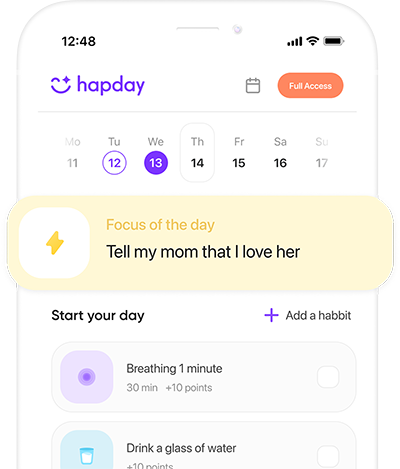
Dive into cardio—the kind you can touch—like a lively run or a rhythmic dance, to see apprehensions fade. Hapday, an app serving 3 million seekers of balance, invites you with breathing exercises and habit builders on the path to stress relief.
The Science Making It All Click
Movement transforms stress by fortifying and revitalizing your body. Science backs this up: exercise stirs neurogenesis, sharpening emotional and memory control in the brain. In other words, consistent movement isn’t just protection—it’s empowerment.
Consider Maya, a 28-year-old navigating a grueling divorce. Dance classes became her refuge. Not merely an emotional release, but a community that reinforced her brain’s arsenal against stress. Coupled with other healing arts like mindfulness or journaling, movement techniques can rewrite the brain’s stress narrative.
Weaving Movement Daily
Wondering how to fit movement into your frenzy? Movement molds to your life. The secret lies in consistency, not grandiosity. A sketch of just 10–15 minutes a day forms pockets of peace in your day.
When insomnia stalks you, Hapday’s 24/7 AI coach is your beacon, ready to steer you through any crisis. Always on call, there’s comfort knowing help is just a tap away.
Adopting a Movement Mindset
Ultimately, stress-busting through movement is a game of the mind. Approach activity as an ally—not a checkbox. Embrace movement as a stairway to clarity and tranquility. It’s about learning to be proactively calm, rather than react.
In today’s high-paced world, such a mental transition could be life-changing.
“Your intention during movement deepens its impact. It’s about nourishing yourself, reducing stress, and amplifying well-being through deliberate steps.”
— Dr. Emma Baker, Behavioral Therapist
Conclusion: Journey Empowered in Motion
Each stretch, form, or step draws you towards a more coherent state of mind. Having harnessed stress management through movement, Mia recognizes that this journey transcends mere physicality—it embodies resilience and a touch of peace amid life’s flux.
Should you be poised to embrace these techniques, let new habits melt into your routine with patience. As you weave movement into life’s tapestry, remember support matters. For reliable guidance in stress management through movement, let Hapday (hapday.app) usher you forward—not only an AI coach but a companion to 3 million others on this wellness journey.
Test these movement tactics, uncover empowerment’s liberating tenacity, and feel stress dissipate, as each motion writes a new chapter. The door to a calm mind? Right there, beneath your feet.
The Bottom Line
Embracing movement as a tool for stress management can profoundly change your life. By integrating simple techniques into your daily routine, you can cultivate a healthier mindset that not only reduces stress but also enhances overall well-being.
References
- American Psychological Association
- Mayo Clinic
- International Journal of Behavioral Medicine
- Medicine & Science in Sports & Exercise