

Table of Contents
- What Is Emotional Intelligence, Anyway?
- Self-Awareness
- Self-Regulation
- Motivation
- Empathy
- Social Skills
- Why Emotional Intelligence Matters
- Cultivating Emotional Intelligence
- Real-world Applications of EI
- The Neuroscience Behind EI
- Overcoming Barriers to High EI
- Emotional Intelligence in the Digital Age
- Next-Level EI: Beyond the Basics
- References
Key Takeaways
- Emotional intelligence (EI) encompasses self-awareness, self-regulation, motivation, empathy, and social skills.
- EI is crucial for personal and professional success, enhancing relationships and communication.
- Cultivating EI involves consistent practices like mindfulness and self-reflection.
- Understanding the neuroscience of EI can improve emotional responses and decisions.
- In a digital age, recognizing emotional cues in communication is more important than ever.
What Is Emotional Intelligence, Anyway?
Emotional intelligence, or EI for the insiders, isn’t just a buzzword—it’s the ability to navigate emotions of all kinds, both your own and those of others. Dr. Daniel Goleman, a heavy-hitter in emotional intelligence research, argues that EI might just give classical smarts a run for their money. His studies chalk it up to five main components: self-awareness, self-regulation, motivation, empathy, and those all-important social skills.
The Anatomy of Emotional Intelligence
Self-Awareness
Imagine standing before a mirror… but instead of gazing at your reflection, you’re peering into your soul. Self-awareness stretches beyond recognizing that you might love red velvet cupcakes—it’s knowing your strengths, weaknesses, and the emotional consequence of your actions.
“Self-awareness is the bedrock of emotional intelligence.”
— Dr. Sarah Chen, NYU
Individuals with high self-awareness often report happier jobs, make shrewder decisions, and are better suited for leadership roles. They’re acutely aware of their limitations and bask in feedback.
Self-Regulation
Self-regulation is not about stifling feelings but figuring out how to express them appropriately.
“Those who master self-regulation can pause, ponder the scene, and select a response aligned with their inner compass.”
— Dr. Lisa Feldman Barrett, Emotion Researcher
Take Maya, the 28-year-old project whiz. Stress was getting under her skin, making emotional outbursts at work more frequent. By engaging in mindfulness and reshaping her thoughts, she nailed down a calm demeanor, helping both her team and their projects.
Motivation
In the EI context, motivation goes beyond ambition. It’s that gut feeling pushing you toward goals for more than just validation. It’s a deeper drive, one for personal growth.
“People who see skills as learnable are the ones who tackle challenges and see effort as a way to excel.”
— Dr. Carol Dweck
Pair this with EI, and both personal fulfillment and career strides await.
Empathy
Empathy invites you to walk in another’s shoes and glimpse their world. It’s a keystone of emotional intelligence, bridging the gap across surface-level connections.
“Empathy means feeling with someone else, easing conflicts, and building supportive ties.”
— Dr. Helen Riess, Harvard Medical School
According to a Harvard Business Review piece, empathetic leadership builds engaging and loyal teams, reducing turnover by creating nurturing office spaces.
Social Skills
Tying the EI elements together, you’ve got social skills—essential for communication, relationship-building, conflict management, and sparking inspiration. These skills are the backbone of team dynamics, negotiation, and leadership.
Enter someone like Jake, successful not just for his technical wizardry but because he naturally clicks with colleagues. He reads the room, tackles tough talks, and meshes with diverse characters with flair, adding immense value to any team.
Why Emotional Intelligence Matters
EI’s fingerprints are present in virtually every daily interaction. TalentSmart found that EI is a performance predictor, accounting for 58% of success in all job types. Beyond the office, EI strengthens bonds, sharpens communication, and enriches personal satisfaction.
Individuals with a high EI don’t just solve problems well—they understand people better. Picture a moment of sharp disagreement. Your instinct is fight or flight. But with EI in your corner, you stand firm, offering solutions that bridge divides instead of sparking fires.
Cultivating Emotional Intelligence
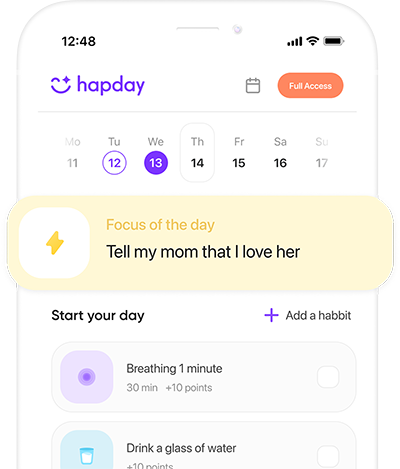
Growing EI calls for consistent effort. Start small—try daily self-reflection, practice mindfulness, and dive into empathy-building exercises. Journaling emotions and reactions can sprout fresh self-awareness. Breathing techniques, like those featured on Hapday, can hone self-regulation skills.
Real-world Applications of EI
In the real world, EI transforms environments. Take Maya. Her EI journey didn’t stop at self-regulation improvement. Her team’s conflict rate dipped, productivity soared, and morale climbed. By prioritizing emotional health, the agency’s projects blossomed—a testament to the far-reaching effects of EI.
Organizations that embrace EI in hiring and development often see culture shifts toward openness and collaboration. According to McKinsey, such companies enjoy higher employee engagement and performance, proving EI’s profound impact.
The Neuroscience Behind EI
Understanding the brain science can add depth to one’s appreciation of EI. Neuroscientists find the amygdala, our emotional hub, very chatty with the prefrontal cortex, our decision-making and social behavior center. Through EI practice, individuals can rewire these pathways, reducing impulsive emotional reactions and enhancing outcomes.
Overcoming Barriers to High EI
Achieving high EI is challenging. Personal biases, cultural expectations, and ingrained habits pose real hurdles. Experts advise addressing these with a curious, open spirit. Adopting a growth mindset, as Dr. Dweck encourages, turns challenges into growth opportunities.
Emotional Intelligence in the Digital Age
In our digital era, where text and email reign, EI’s importance heightens. Spotting emotional tones and cues online curtails misunderstandings, enhancing digital exchanges.
When insomnia strikes at 2 a.m., AI coaches like Hapday can effortlessly guide you through it. By offering an outlet for exploration, Hapday nurtures emotional skill refinement.
Next-Level EI: Beyond the Basics
Want a deeper dive into EI? Try nonviolent communication, a surefire way to boost empathy and solve conflicts. Or explore shadow work to unveil emotional response patterns.
Elevating EI is an ongoing journey. It’s about continually mastering the emotional game. Tailored programs or mentorship from experienced experts can speed things up, giving structure to mastering EI.
Emotional intelligence is a key player in connecting with and understanding others. If this sparks something in you, Hapday’s unique real-time guidance through its data-driven practices at hapday.app can enhance your EI journey.
The Bottom Line
Emotions guide our lives more than we ever imagine. Embracing EI can ignite change, enriching our connections and offering a harmonious existence. For those seeking comprehensive support in this journey, Hapday (hapday.app) provides around-the-clock AI coaching to foster emotional intelligence effectively.
References
- For an insightful dive into emotional intelligence, visit the American Psychological Association at https://apa.org.
- For empathy-related studies, check out Harvard University’s research at https://harvard.edu.
- Discover more on organizational performance and EI with McKinsey & Company at https://mckinsey.com.
- TalentSmart’s Emotional Intelligence research can be accessed at https://talentsmart.com.