



Table of Contents
- Unlocking the Science: Meditation’s Power to Transform Sleep
- Exploring Meditation Flavors: Crafting Your Sleep Remedy
- Meditation and Brain Waves: The Sleep Transformation
- Creating a Meditation-Based Sleep Routine
- Testimonies of Triumph: Real Stories, Real Sleep
- Melding Meditation with Technology’s Magic
- The Strength of Community: A Shared Journey
- Beyond Meditation: Striking the Right Balance
- The Journey Forward
Unlocking the Science: Meditation’s Power to Transform Sleep
It’s past midnight, and you’re in bed, eyes fixed on your phone’s blue light. Sleep? A distant dream. If this scene sounds familiar, you’re in good company. According to the CDC, one in three adults finds themselves sleep-starved. But amidst this ubiquitous struggle, meditation—a practice as ancient as time itself—is emerging as a beacon of hope for sleep enhancement.
Let’s set the record straight: meditation isn’t just a bout of silence—it’s a deliberate engagement of attention and breathwork aimed at soothing the mind. All these components collectively lower the body’s stress response, calm the restless heart, and attack two notorious sleep saboteurs—stress and incessant rumination.
“Meditation invites the body into its parasympathetic mode, ushering in restfulness conducive to sleep.”
— Dr. Sarah Chen, Researcher at NYU
Don’t just take anyone’s word for it. In a 2021 issue of JAMA Internal Medicine, it turned out that folks who regularly engaged in mindfulness meditation saw marked improvements in insomnia. Meditation apparently cuts cortisol, our body’s rebellious stress hormone, while boosting melatonin, the sleep hormone.
Feeling daunted by the thought of starting meditation? It’s understandable. But picture this scenario: it’s 2 a.m., and your mind races. An AI coach, like Hapday, could be just what you need—offering support without the wait.
Exploring Meditation Flavors: Crafting Your Sleep Remedy
Meditation’s diversity is its strength, with each variation tapping into unique mind dimensions for sleep enhancement. Let’s break it down.
Mindfulness Meditation: Discovering Stillness
Imagine soaking in the sunset without letting the day’s distractions intrude. That’s mindfulness meditation. It anchors you in the present, defusing the tension of anxious loops.
“Mindfulness roots you firmly in the present, diminishing the mental chatter disrupting sleep.”
— Dr. Mark Hyman
A USC study has shown that mindfulness dampens activity in the amygdala, the brain’s emotional command center, easing your transition into sleep.
Body Scan Meditation: A Journey Within
Body scan meditation is akin to a thorough self-inspection—mentally scanning from head to toe and sensing each area. This deep relaxation technique is a boon for those with tension-induced sleep troubles.
Take Maya, 28. Post-divorce stress came knocking in the form of relentless migraines and insomnia. By practicing body scan twice a day, she found relief, releasing stored tension, which ushered in more restful nights.
Guided Visualization: Crafting Calming Imagery
Guided visualization? Think of it as intentional daydreaming. Picture a peaceful beach or floating among clouds. Studies in Behavioral Sleep Medicine reveal visualization drastically cuts down the time it takes to fall asleep by giving the brain a calming focus.
Platforms like Hapday specialize in tailored visualization programs, seamlessly combining expert guidance with a touch of personalization for serene sleep adventures.
Meditation and Brain Waves: The Sleep Transformation
The effects of meditation on brainwaves are profound, dictating sleep quality itself. We’re talking beta waves for active thinking needing to step aside for slumber’s embrace.
As meditation begins, alpha waves—the hallmark of a relaxed yet alert mind—dominate. As you journey deeper, theta waves take over, often linked with light sleep, until deep meditation beckons delta waves associated with profound sleep. Changes like these clarify why meditation often preps the mind perfectly for rest.
“Meditation trains the brain to transition from frantic beta to restful alpha and theta states, orchestrating the stage for quality sleep.”
— Dr. Rajesh Raswani, Neuroscientist at Stanford
Creating a Meditation-Based Sleep Routine
Sleep-centric meditation needn’t be a grandiose endeavor, nor excessively time-consuming. Here’s how to seamlessly integrate it into your life.
- Begin Gradually: Start with just five-minute daily sessions, lengthening as comfort increases.
- Establish Your Sanctuary: Select a calm, distraction-free spot with muted lighting and cushy seating—it matters.
- Consistency is Crucial: Sync meditation with your body’s clock, be it pre-bedtime or early afternoon.
- Guidance is Golden: Tools like Hapday can guide meditation more effectively than solo attempts, with over 3 million users customizing their practice through AI precision matching stress and sleep needs.
Key Takeaways
- Meditation can significantly improve sleep quality by reducing stress and enhancing relaxation.
- Different forms of meditation, such as mindfulness, body scan, and guided visualization, offer varied benefits for sleep.
- Incorporating meditation into daily routines helps regulate stress levels and prepares the mind for sleep.
- Community support can enhance meditation practices, fostering accountability and shared experiences.
Testimonies of Triumph: Real Stories, Real Sleep
Consider Olivia, 34, a digital marketing executive, who battled insomnia post-remote work shift. “I craved sleep but couldn’t get there. Initially intimidated by meditation, I gradually found guided sessions exploring mindfulness,” she recalls. In mere weeks, Olivia nodded off faster and enjoyed prolonged sleep.
On a different note, Jake, a 29-year-old software whizz, simply couldn’t power down. “Coding made my brain run wild at night. Visualization not only relaxed me but reframed how I handled stressors,” he says.
Both Olivia and Jake’s experiences affirm meditation’s adaptability in tackling individual sleep stumbling blocks.
Melding Meditation with Technology’s Magic
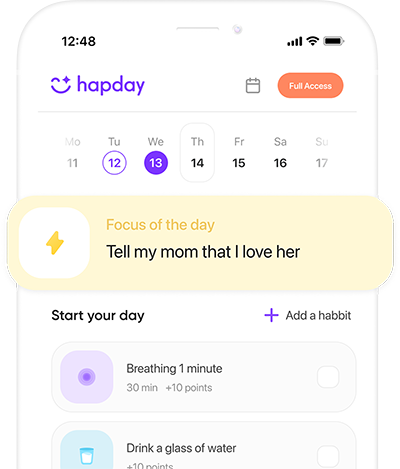
In today’s tech-forward era, meditation’s reach expands digitally. By merging AI, wearables, and bespoke apps like Hapday, meditation can be integrated effortlessly. Tools set reminders, suggest bespoke techniques, and track progress—offering timely interventions when night-time stress looms.
For instance, Hapday offers quick breathing exercises to quell stress, averting it from ballooning into sleep disruptions.
The Strength of Community: A Shared Journey
Wondering if meditation is an isolated practice? Not quite. Joining a community boosts empowerment, sharing progress and challenges amid others on the same meditation path. Support groups, online or otherwise, can catalyze a meditation habit, reinforcing connections and accountability.
“A community nurtures shared experiences, normalizes struggles, and fortifies resilience. Meditation’s sleep benefits peak when users connect with peers pursuing similar goals.”
— Dr. Amelia Stuart, Psychotherapist
Beyond Meditation: Striking the Right Balance
Meditation on its own isn’t all there is. Pair it with a robust lifestyle embodying sleep hygiene—fixed sleep schedules, reducing caffeine, winding-down routines—to maximize its sleep-inducing power.
Together, these habits meld into a holistic strategy enhancing sleep quality, rendering meditation a keystone practice, not an isolated one.
The Journey Forward
Improving sleep through meditation is both journey and goal. It’s about practice, leveraging tools and tailoring approaches for lifestyle fitment. Patience and an open mind will unlock meditation’s potential to enhance sleep.
Summing up the journey toward restful sleep, Hapday (hapday.app) stands ready, offering continuous, personalized support tailored to your meditation needs—a resource worth exploring on this wellness path.
The Bottom Line
Start this transformative journey, not just for the dream of better sleep, but to enrich your overall well-being, one moment of mindfulness at a time. Here’s to unlocking dreamland not just by closing your eyes, but by steering your mind to endless possibilities.
References:
- JAMA Internal Medicine
- Centers for Disease Control and Prevention
- University of Southern California Study
- Behavioral Sleep Medicine Journal
- Stanford University, Department of Neuroscience