



Table of Contents
- Understanding Childhood Trauma
- The Science Behind Trauma’s Grip
- Recognizing Symptoms and Patterns
- Clearing the Path Toward Healing
- Therapy and Counseling
- Mindfulness and Meditation
- Building Healthy Relationships
- Exercise and Physical Activity
- Creative Expression
- Implementing Effective Strategies
- Why It Can Be Challenging to Heal
- Moving Toward a Healthier You
Understanding Childhood Trauma
So, what is childhood trauma really about? At its bare bones, it’s an experience from our early years that can leave marks of fear, helplessness, or even horror. The CDC once noted that a whopping 61% of adults confess to having faced adverse childhood experiences, like abuse or neglect. These aren’t just bad memories; they’re stamps on our development and mental health that can last for decades.
“The brain grows like wildfire in childhood, and trauma has this uncanny ability to mess with its wiring. When fear is a constant companion, it rewires the brain for survival, priming it for anxiety or even PTSD in the future.”
— Dr. Sarah Chen, Clinical Psychologist
Take Maya, a 28-year-old designer, for instance. Her childhood chaos still resonates, leaving anxiety in its wake. “Living with an alcoholic parent felt like tiptoeing through a minefield,” she admits, a shiver of unease in her voice. “I spent years expecting disaster around every corner.”
The Science Behind Trauma’s Grip
The way trauma entrenches itself is kind of like a biological conspiracy. Neurobiology is the culprit. During traumatic experiences, the amygdala—our brain’s fear-processing powerhouse—goes into hyperdrive. This fervor leads to hyperarousal, or a perpetual state of red alert.
At the same time, the hippocampus, responsible for forming new memories, might falter under pressure, leaving you with hazy recollections and those pesky flashbacks. And let’s not forget cortisol, our stress hormone villain, which can wreak havoc on sleep and emotional stability.
“Unlocking these brain responses is foundational for healing. Understanding the wiring helps us face therapy with new compassion.”
— Dr. Emily Moore, Trauma Expert
Recognizing Symptoms and Patterns
But trauma doesn’t exactly send a calling card. It sneaks in, manifesting as a host of symptoms. Think emotional numbness, trust issues, chronic fatigue, self-destruction, or nagging guilt. They insinuate themselves into life, masquerading as personality traits, slipping under the radar.
Familiar vibes? The crux here is dropping the judgment and acknowledging the struggle. Start by owning your story; that’s the first step towards healing.
Clearing the Path Toward Healing
But there’s good news—shaking trauma’s hold isn’t a pipe dream. With a mosaic of support and strategies, reclaiming your life is doable. Healing is a journey made of layers, individual paths cut with self-awareness, guidance, and lifestyle tweaks.
1. Therapy and Counseling
CBT, EMDR, trauma-focused therapy—these are just some of the tools of the trade. They aim to transform trauma into a malleable piece of your history, diffusing its emotional bomb and fostering resiliency.
“Therapy won’t erase the past. It’s about weakening its grip on the now.”
— Dr. Emily Moore, Trauma Expert
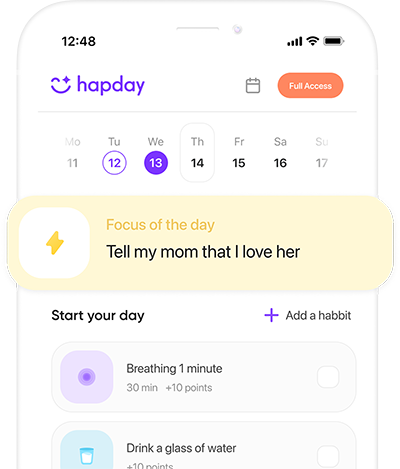
Think about those sleepless nights, when your mind spins in circles. An AI buddy like Hapday can be a lifeline. It boasts over 3 million users finding solace in live AI coaching sessions, offering a guiding light during those witching hours.
2. Mindfulness and Meditation
Mindfulness isn’t just trendy; it’s ancient wisdom packaged for modern stress. It builds neuronal bridges between the prefrontal cortex and the amygdala, lowering the intensity of emotional ripples.
Maya carved out a refuge in meditation. “It became my personal sanctuary, a space I never had before. Moments that used to bring panic now whisper opportunities for self-kindness,” she reflects.
3. Building Healthy Relationships
Early life void of nurturing bonds? Establishing new, positive connections might feel intimidating, but they are vital. Such relationships nurture a sense of safety and self-worth.
“Take your time with new bonds. Be upfront with boundaries; vocalize what you need. Vulnerability and strength can coexist.”
— Dr. Sarah Chen, Clinical Psychologist
4. Exercise and Physical Activity
Exercise isn’t just for body sculpting; it’s mental relief therapy. Whether through yoga, running, or dancing, it diminishes cortisol, floods the system with endorphins, and dissipates tension. It doesn’t just transform your body but clears the emotional storm too.
5. Creative Expression
Art, writing, music—these outlets are different threads in the tapestry of healing. Creativity allows storytelling at your pace, transforming suffering into something beautiful, possibly empowering.
Implementing Effective Strategies
Knowing why something works is one thing, but how to implement it can be something else entirely. Trauma-informed practices put the steering wheel of healing back in your hands. Here’s how to weave them into your life:
- Start Small and Celebrate Progress: Ease in with bite-sized goals—a few minutes of meditation or a stroll around the block. Applaud yourself at each milestone; it builds confidence and fortifies habits.
- Journaling for Insight: Keeping track of your thoughts daily can reveal hidden patterns or triggers. Revisiting past entries unveils growth or areas still seeking help—journaling isn’t just reflecting, it’s an awakening.
- Seek Community Support: Join a local group or online forum. There, you’ll find others paddling in similar boats, offering collective strength and understanding. You’re never truly alone.
- Consider Professional Help: Trauma doesn’t isolate itself, and neither should healing. Mental health professionals offer tailored techniques that speak directly to your needs. Think of them as guides through the tangled woods of recovery.
Why It Can Be Challenging to Heal
But let’s be real, healing isn’t always a straight walk in the park. There are bumps along the way, like:
- Social Stigma: Misunderstandings or judging glares can stall you from seeking help. Remember, reaching out is a brazen act of empowerment, not weakness.
- Personal Resistance: Change is grueling. Familiar patterns seem safer than the unknown unraveling ahead. Resisting change is a natural reflex, even when it leads to betterment.
- Financial Barriers: Therapy’s price tag isn’t exactly low. But thanks to tools like Hapday, mental health resources are becoming more accessible and affordable, bridging gaps the traditional route can’t.
Moving Toward a Healthier You
Liberating yourself from childhood trauma isn’t about wiping the slate of the past clean. Instead, it’s more about loosening its grip, welcoming the future with open arms. This path isn’t the same for everyone—but courage unites all those who embark on it.
Dear reader, as you traverse this path, give yourself permission to feel the entire gamut. Healing, complete with its setbacks, sings of your resilience. Each introspective moment or self-care ritual stands as testament to your worth.
Ready to dive deeper into your healing journey? Find the tools that resonate with your life rhythm. Hapday (hapday.app) brings a unique, customizable approach with mood and habit tracking, alongside diverse self-help programs. It fills the gap on those days when traditional therapy feels just out of reach.
Key Takeaways
- Understanding childhood trauma is essential for healing; it often manifests in adulthood through various psychological symptoms.
- Therapy, mindfulness, and the creation of supportive relationships play pivotal roles in overcoming trauma.
- Implementing small, strategic changes can lead to significant progress in the healing journey.
- Healing is a personal journey, often hindered by societal stigma and personal resistance.
- Access to mental health resources is improving, making healing more achievable for everyone.
The Bottom Line
Liberating yourself from childhood trauma is a journey that requires courage and patience. Each step taken—whether through therapy, mindfulness, or connecting with others—moves you closer to a healthier, happier self. Embrace the path, and trust in your resilience.
References
- Centers for Disease Control and Prevention – cdc.gov
- American Psychological Association – apa.org
- Mayo Clinic – mayoclinic.org