



Table of Contents
- The Physiology of Stress and Movement
- Movement Techniques to Combat Stress
- Expert Insights: Movement and Mental Health
- Real-World Application: Transforming Theory into Action
- Empowering Your Future with Movement
- The Bottom Line
- References
As the first light breaks through your window, offering a fresh start, the weight of the world can already settle onto your shoulders. Work obligations, family dynamics, the relentless ping of never-ending notifications—I get it; we’ve all been there. Stress can start to play conductor to life’s symphony, turning sweet melodies into overwhelming cacophony. But here’s a thought: what if you could sway to this tune with confidence instead of feeling trapped in its discord? For many, a gentle push into the realm of movement holds the key to taming stress.
Today, we unveil the blend of science and narrative surrounding movement as a stress buster, armed with practical advice you can sprinkle into your daily mix. We’ll uncover not just the biology of stress but hear from those who’ve spun stress into peace.
The Physiology of Stress and Movement
So, why does movement matter when we’re stressed? Well, stress kicks off a hormonal hailstorm in your body. Ever hear of adrenaline and cortisol? They’re not just science terms—they become part of your life story. Stressful moments, imagined threats, and actual ones flip a switch in your brain that costs you precious calm. Chronic stress? It loves hanging around, knocking on the door of anxiety, depression, and even heart disease.
I reached out to Dr. David Anbrey over at Stanford University for insights. He’s been digging into stress research for years.
“While these hormones are vital for survival, chronic exposure can wreak havoc on our physiological state.”
— Dr. David Anbrey, Stanford University
He tells me, emphasizing how physical movement can act as your natural stress bouncer.
Think of the feel-good hormones, endorphins; they’re your body’s own merry-makers, ready to elevate your mood. According to research I stumbled upon from Harvard Health, those who exercise cut symptoms of anxiety by nearly a third. Impressive, right?
The Science of Movement:
Moving around influences your blood flow—oxygen and nutrients journey straight to your brain, jazzing up mood and mental clarity. Dr. Sarah Chen, a psychologist, shares,
“Regular physical activity reshapes not only our body but our brain pathways, helping to foster resilience against stress.”
— Dr. Sarah Chen, Psychologist
There you have it, movement’s not just brawn, it’s brainy too.
Movement Techniques to Combat Stress
Different strokes for different folks, they say. Let’s dive into various movement styles tailored for stress-busting. No cookie-cutter solutions here—just a smorgasbord of options.
1. Yoga: Finding Balance
Picture this: Maya, 28, freshly navigating post-divorce upheaval, finds respite in yoga.
“I was a bundle of nerves, constantly on edge. Yoga became my sanctuary.”
— Maya, Yoga Practitioner
she confided in our chat. Her experience echoes in many studies, especially one from NIH indicating yoga’s prowess in slaying stress dragons.
Yoga’s charm? Simplicity and ease of entry. Minimal kit, maximum impact. For newcomers, start with the child’s pose, maybe work up to an upward-facing dog.
2. Tai Chi and Qigong: Harmonizing Energy
Meet Sarah, a stressed-out marketing whiz, who found calm in the slow choreography of Tai Chi.
“A few weeks in the park, and I feel like a different person.”
— Sarah, Tai Chi Enthusiast
she beamed. The Mayo Clinic backs her up, showing Tai Chi can ease anxiety and lift moods eloquently.
3. Dance: Expressive Liberation
Let’s not forget dance—it’s about turning your room into a Broadway show when stress tightens its grip. Dance revs up serotonin, the happiness booster, scientists attest.
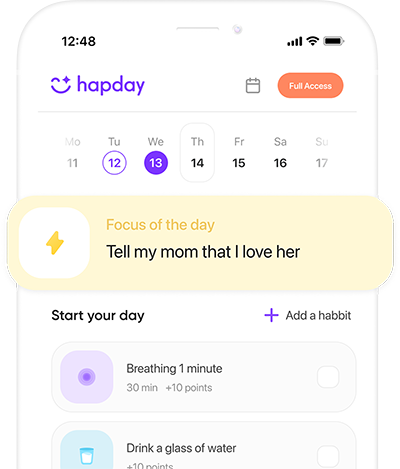
Inspired by Hapday, a coaching platform with a 3-million-strong audience, one thoughtful program highlights how movement can transform mental well-being. Ever feel like stress turns into a late-night monster? You’re not alone.
4. Walking: The Easiest Form of Meditation
Funny how the simplest acts sometimes hold the most power. A walk—nature’s peace offering—can temper stress. Picture a brisk jaunt through a park, away from noise. It’s like hitting reset.
Expert Insights: Movement and Mental Health
Dr. Ella Simmons, a sports psychologist I reached out to, laid it plain,
“Movement bridges the physical and the mental—it aligns both.”
— Dr. Ella Simmons, Sports Psychologist
Daily motion builds a robust foundation against stress and champions mental wellness. The APA backs this, noting consistent activity buttresses stress defences.
Real-World Application: Transforming Theory into Action
Wondering how to stitch this into your life? Try these.
Key Takeaways
- Movement is essential for reducing the physiological effects of stress hormones.
- Different movement techniques cater to varied tastes and lifestyles.
- Expert insights confirm that regular physical activity enhances mental resilience.
- Small, manageable movement goals can be effectively integrated into daily routines.
- Empower your approach to stress management by embracing movement as a personal expression.
- Set Manageable Goals: Slip a 10-minute stretch into your morning or dabble in a dance class—small steps.
- Integrate Movement into Daily Activities: Short errands? Walk or cycle them.
- Utilize Technology: Apps can be handy, especially tech like Hapday for motivation when you most need it.
- Listen to Your Body: Seek comfort over achievement.
- Create a Relaxation Space: Unclutter a corner for peace activities—make it your zen zone.
- Accountability and Support: Buddies make everything better. Share your journey.
Empowering Your Future with Movement
Your path to stress management through movement? It’s a personal saga waiting to unfold. Dance through the chaos. Paint resilience with every step. And if you’re seeking guidance to sustain this rhythm, Hapday, a digital life coach, might just be your guide.
Harness the art of movement beyond utility—let it become your personal expression against life’s challenges. Transform stress into a crafted melody. Move with intention, and may each step lead you to a balanced, less stressful existence.
The Bottom Line
Embrace movement not only as a practical approach but as an expression of strength in confronting life’s hurdles. Your journey, shaped by each stride, brings you closer to a symphony crafted from the chaos.
References
- Harvard Health Publishing
- National Institutes of Health
- Mayo Clinic
- American Psychological Association