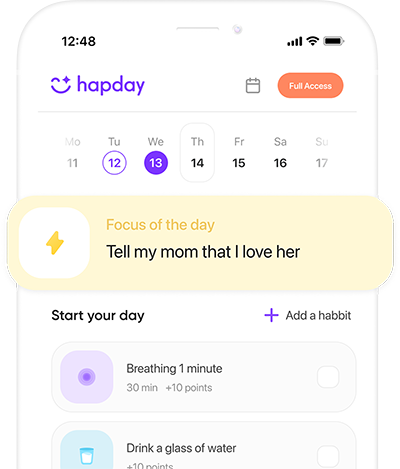




If you’re living with post‑traumatic stress, a mental health coach for PTSD can sit alongside therapy as a steady, practical ally. As of 2024, the VA still estimates roughly 6% of U.S. adults will experience PTSD in their lifetime, with women almost twice as likely as men—often following interpersonal trauma. Coaching won’t replace treatment; it fortifies it. In my view, that line matters more than any sales pitch about “holistic” care.

Table of Contents
- What a mental health coach for PTSD does (and doesn’t)
- How to integrate a mental health coach for PTSD with therapy
- Step‑by‑step plan for your first 8 weeks
- Throughout: Digital support
- Finding the right mental health coach for PTSD
- Measuring progress with a mental health coach for PTSD
- Making sessions count
- Access, costs, and formats
- Safety first
- Bottom line
- Summary
- CTA
- References
What a mental health coach for PTSD does (and doesn’t)
- What they do: help you translate intentions into behavior—set goals, practice coping skills, and build routines around sleep, movement, mindfulness, and social support. Those domains correlate with symptom reduction and better functioning. Systematic reviews of health and wellness coaching have found improvements in self‑efficacy, adherence, and outcomes across conditions (Sforzo et al., 2019; Kivelä et al., 2014). My take: the best coaches are boringly consistent, not flashy.
- What they don’t do: diagnose, treat, or process trauma. A coach shouldn’t guide exposure therapy, EMDR, or rewrite trauma narratives—work reserved for a licensed clinician. I’m wary of any coach who hints otherwise.
How to integrate a mental health coach for PTSD with therapy
A mental health coach for PTSD is most useful as an adjunct to evidence‑based care (trauma‑focused CBT, EMDR). Ask your therapist for consent to coordinate. With your permission, your coach can:
- Support therapy homework (e.g., scheduling exposures, tracking triggers).
- Reinforce skills (breathing, grounding, sleep routines).
- Keep you accountable to realistic lifestyle changes.
Coordination may sound administrative; it’s not. In my experience, aligned teams reduce friction and relapse.
Step‑by‑step plan for your first 8 weeks
Week 0: Baseline
- Complete quick measures: the PCL‑5 for PTSD symptoms, a 7‑day sleep diary, and a 1–10 stress rating. The PCL‑5 is widely used; a 10–20‑point drop is considered clinically meaningful by the VA.
- Identify your top two targets (for many women: sleep and reactivity in relationships). When in doubt, start where the nights fall apart.
Opinion: clarity beats intensity at baseline.
Weeks 1–2: Goals and safety
- With your mental health coach for PTSD, set 1–2 SMART goals (e.g., “Lights out by 11:30 p.m. on 5 nights/week”). Small, specific, scheduled.
- Create a trigger plan: warning signs, coping list, and who to contact. If you’re at risk of harm, call 988 (U.S.) or local emergency services.
A written plan outperforms willpower—every time.
Weeks 3–4: Sleep first
- Why: Insomnia is common in PTSD and can maintain hyperarousal. While CBT‑I belongs to clinicians, a coach can help you implement routines (consistent wake time, wind‑down, light/digital hygiene).
- Evidence: Treating sleep issues in PTSD is feasible and beneficial; insomnia is highly prevalent, and sleep‑focused interventions improve outcomes (Colvonen et al., 2018).
In practice, fixing sleep often unlocks everything else.
Weeks 5–6: Gentle movement
- Add 2–3 days/week of low‑to‑moderate activity (walking, yoga, cycling). Start with ten minutes and permission to be imperfect.
- Evidence: Exercise is associated with moderate reductions in PTSD symptoms and improvements in depression/anxiety in trauma‑exposed populations (Rosenbaum et al., 2015).
Walking remains the most underrated intervention I know.
Weeks 7–8: Mindfulness and grounding
- Practice 10 minutes/day of breath‑focused mindfulness or grounding (5‑4‑3‑2‑1).
- Evidence: Among veterans with PTSD, mindfulness‑based stress reduction led to greater clinically significant improvement vs a control (49% vs 28% at post‑treatment) and better quality of life (Polusny et al., 2015). Slow breathing can reduce arousal and increase heart rate variability, supporting emotion regulation (Zaccaro et al., 2018).
Ten minutes is plenty; consistency matters more than duration.
Throughout: Digital support
- If you’re using therapy apps, a coach can boost engagement. Trials of coach‑supported digital tools show better adherence and symptom reductions than unguided use (Mohr et al., 2017, 2019).
The Guardian reported a surge in tele‑mental health use in 2020; the pattern stuck. A coach helps you stick with tools after the novelty fades.
Finding the right mental health coach for PTSD
Look for:
- Trauma‑informed training and a clear scope. Ask, “How do you ensure coaching stays within non‑clinical boundaries?”
- Certification (NBHWC or ICF), regular supervision, and written consent to coordinate with your therapist.
- A safety protocol for triggers, flashbacks, or crisis.
I’d choose training and supervision over charisma, every time.
Great screening questions:
- “How will you customize goals if I’m sleep‑deprived or dissociating?”
- “What metrics will we track and how often?”
- “What happens if trauma material surfaces during sessions?”
Listen for specifics. Vague reassurances are not a plan.
Red flags:
- Claims to treat or cure PTSD, or to do EMDR/exposure without a license.
- Encouraging you to recount trauma details.
- No crisis plan, confidentiality policy, or willingness to collaborate with your therapist.
If these show up—walk.
Measuring progress with a mental health coach for PTSD
Use both symptom and lifestyle metrics:
- PTSD symptoms: PCL‑5 every 2–4 weeks. A 10–20‑point decrease suggests meaningful change.
- Sleep: bedtime consistency, total sleep time, and morning refreshment.
- Stress and grounding: daily stress 1–10; number of grounding practices completed.
- Functioning: work attendance, social connection minutes, or caregiving capacity.
If it’s not tracked, it rarely changes. Share trends with your therapist so treatment can be adjusted.
Making sessions count
- Arrive with a micro‑win and a barrier: “I did breathwork 3 days; I froze before a difficult conversation.”
- Co‑design a 7‑day experiment, not a forever plan. Example: 8 minutes of morning light + 1 short walk meeting with a friend.
- Debrief: What helped, what hindered, and what to iterate next week.
Short experiments beat grand declarations—progress prefers feedback loops.
Access, costs, and formats
- Many coaches meet via telehealth, offering 25–50‑minute sessions or chat‑based support for between‑session accountability. Coaching often isn’t insurance‑covered but may be HSA/FSA‑eligible.
- If affordability is a barrier, ask about group coaching, sliding scales, or employer benefits that include coaching.
After 2021, several large employers added coaching to EAPs; KFF polling around that time also documented widespread distress. Market followed demand.
Safety first
- If you experience escalating nightmares, suicidal thoughts, or can’t function in daily life, contact your therapist, call/text 988 (U.S.), or go to the nearest emergency room. A mental health coach for PTSD should immediately defer to clinical care in crises.
One rule here: safety before strategy.
Bottom line
Used wisely, a mental health coach for PTSD helps translate therapy into daily life—sounder sleep, steadier nervous system, and habits that hold. Choose a trauma‑informed professional, align coaching with your treatment plan, track progress, and iterate. The right partnership allows therapy to go deeper, and ordinary days to feel safer.
Summary
A mental health coach for PTSD complements therapy by building skills and routines—sleep, movement, mindfulness—that research links to symptom relief. Choose a trauma‑informed, certified coach, coordinate with your therapist, and track concrete metrics like PCL‑5 scores, sleep, and stress. Small weekly experiments compound into resilience.
CTA
Ready to try? List your top two goals, share them with your therapist, and book a free consult with a trauma‑informed coach this week.
References
- U.S. Dept. of Veterans Affairs, National Center for PTSD. How common is PTSD in adults? https://www.ptsd.va.gov/understand/common/common_adults.asp
- Sforzo GA et al. Health and Wellness Coaching Works. Global Adv Health Med. 2019. https://journals.sagepub.com/doi/full/10.1177/2164956119848642
- Kivelä K et al. The effects of health coaching on adult patients: a systematic review. Patient Educ Couns. 2014. https://pubmed.ncbi.nlm.nih.gov/25465009/
- Polusny MA et al. Mindfulness-Based Stress Reduction for PTSD among veterans. JAMA. 2015. https://jamanetwork.com/journals/jama/article-abstract/2290090
- Rosenbaum S et al. Physical activity in treatment of PTSD: systematic review. Acta Psychiatr Scand. 2015. https://pubmed.ncbi.nlm.nih.gov/25752571/
- Zaccaro A et al. Slow breathing and psychophysiology: systematic review. Front Hum Neurosci. 2018. https://www.frontiersin.org/articles/10.3389/fnhum.2018.00353/full
- National Center for PTSD. PCL‑5 professional page. https://www.ptsd.va.gov/professional/assessment/adult-sr/ptsd-checklist.asp
- Colvonen PJ et al. Insomnia and PTSD: challenges and opportunities. Curr Psychiatry Rep. 2018. https://www.ncbi.nlm.nih.gov/pmc/articles/PMC5809801/
- Mohr DC et al. IntelliCare with coaching: engagement and symptom change. J Med Internet Res. 2017;2019. https://www.jmir.org/2017/3/e50/ and https://www.jmir.org/2019/1/e10112/